
You’ll create shelves that feel calm and intentional by mixing a few tall anchors with medium and small objects, leaving generous negative space so each piece can breathe. Layer low stacks of books and lean art for depth, add textured ceramics or a woven basket for warmth, and alternate matte and glossy finishes for subtle contrast. Keep things curated and rotate seasonal accents — and I’ll show how to do it without clutter.
Minimalist Negative Space Display
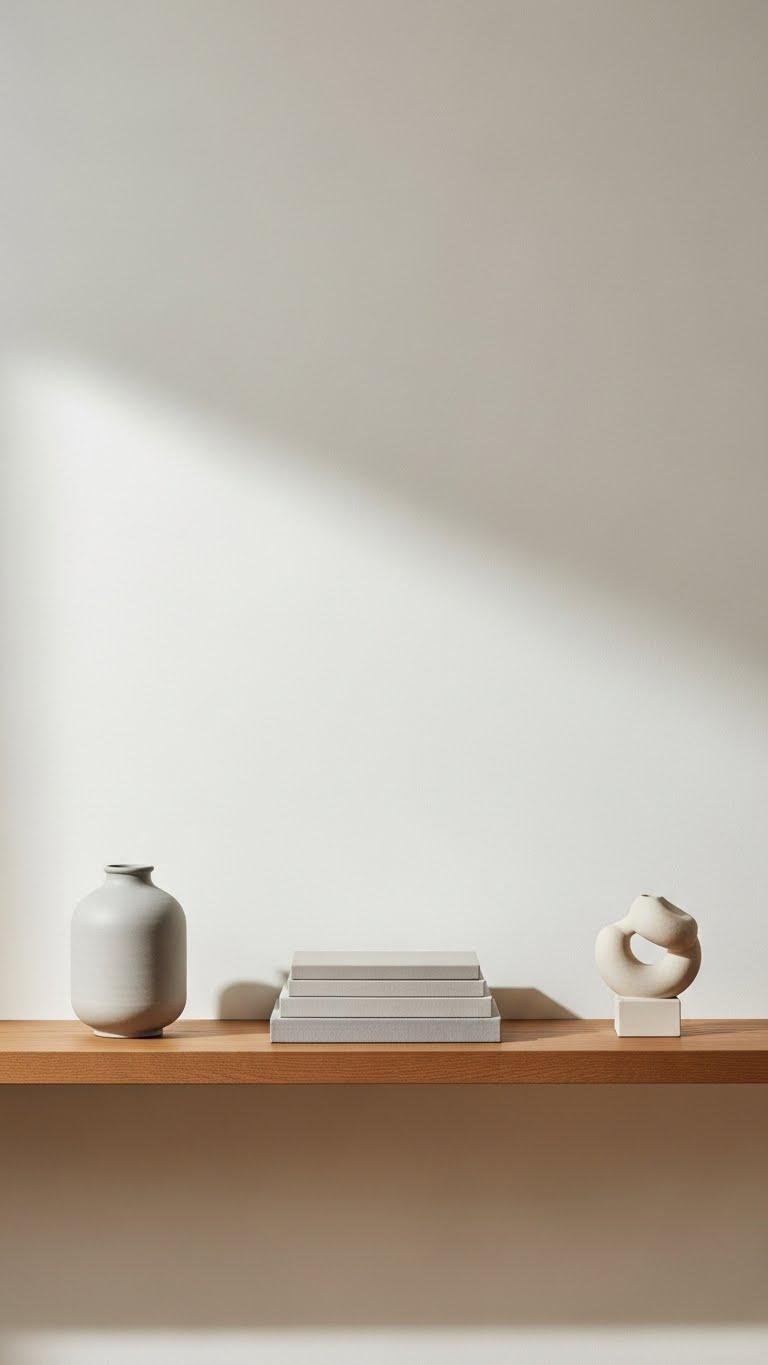
Often you’ll find that less really is more: arrange a few thoughtfully chosen objects with generous gaps around them so each piece can breathe and be appreciated.
You’ll curate shelves with airy spacing, choosing restrained accents that whisper rather than shout. Let negative space grant freedom, highlight texture and line, and guide the eye calmly.
You’ll keep choices intentional, balanced, and quietly confident.
Rule of Threes Grouping
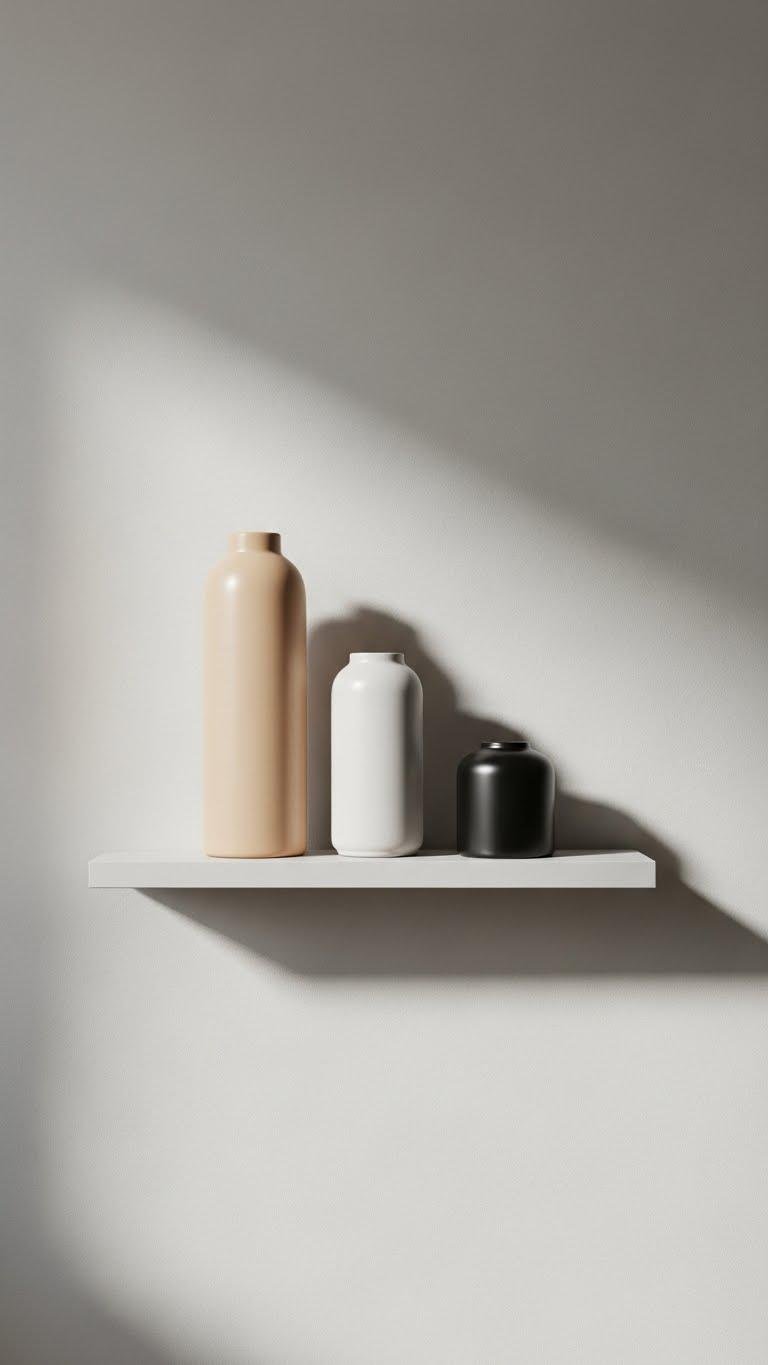
If you love the calm of negative space, you can amplify its impact by grouping objects in threes—an arrangement that feels both intentional and effortless. You’ll create an asymmetrical trio with a sense of movement, balancing contrast and harmony. Choose a varied scale—tall, medium, small—to let each piece breathe. This curated approach gives you freedom to edit and evolve the shelf’s story.
Layered Books and Art Lean
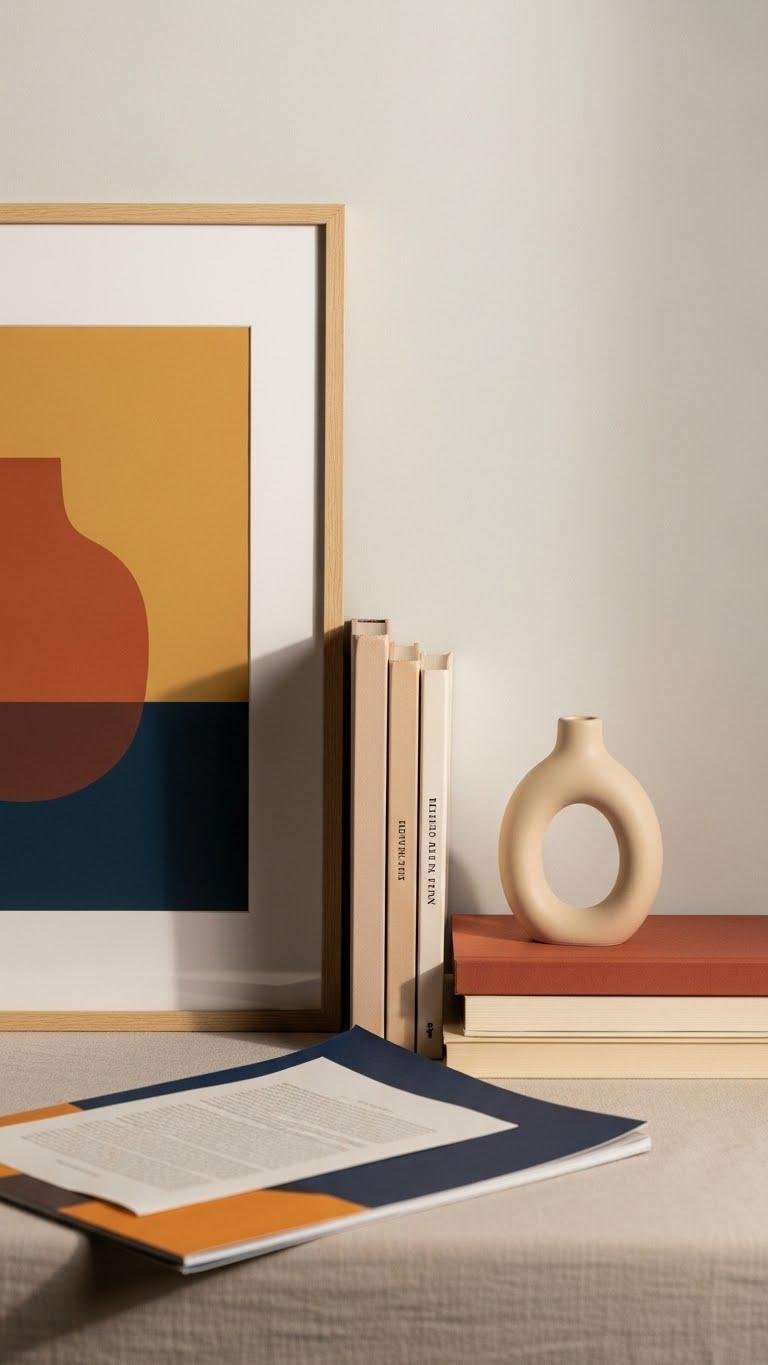
When you lean a framed print or a stack of books against the wall and layer smaller objects in front, you create depth without clutter—books act as both color and podium, while art anchors the composition and invites the eye to move. Let books leaning read like deliberate gestures; pair with layered art and a single sculptural piece so each element breathes, guiding your gaze freely.
Monochrome Texture Mix
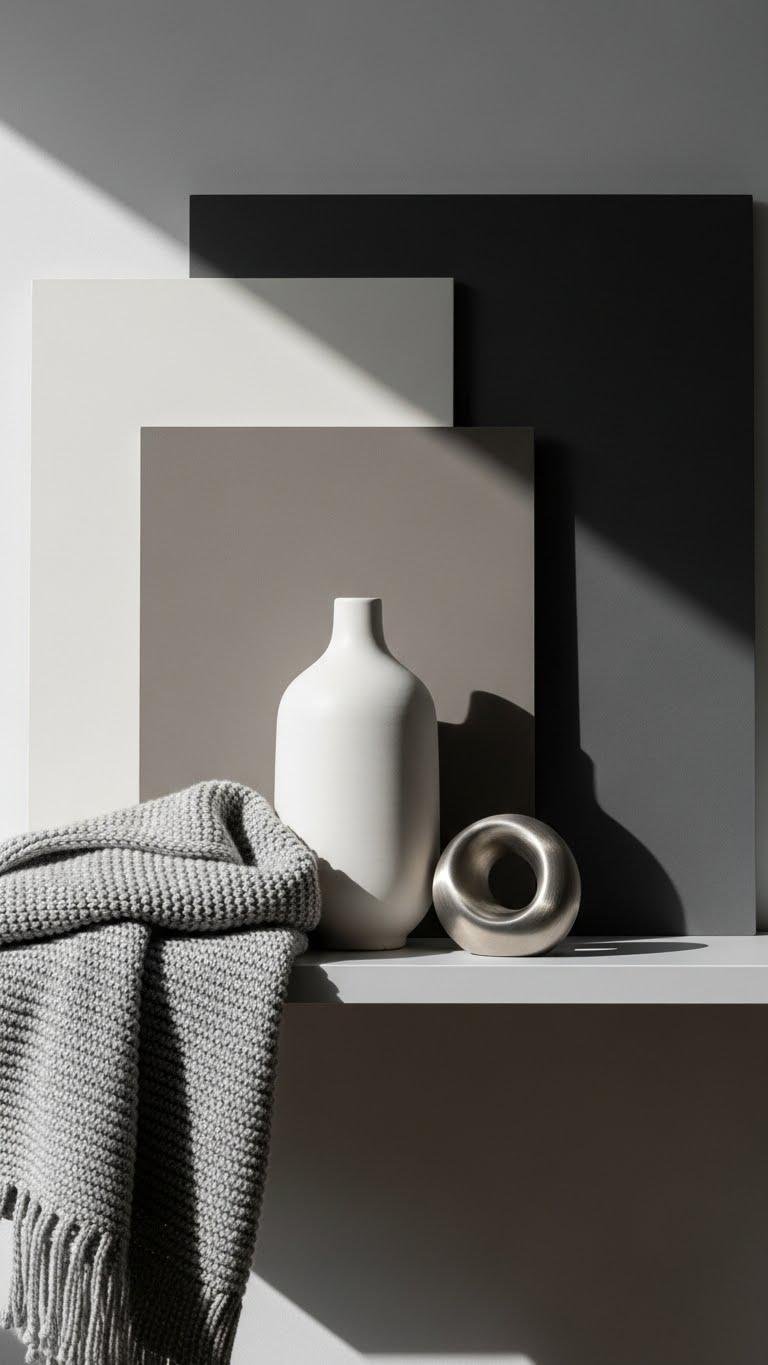
You’ll create quiet drama by limiting the palette and layering contrasting textures—matte paint, nubby knit, smooth ceramic, and brushed metal—that let form and light do the talking.
You’ll arrange single tone textiles beside sculptural objects, emphasizing matte gloss contrasts to guide the eye. Keep negative space, vary scale, and choose pieces that feel intentional so the shelf breathes and invites effortless movement.
Greenery Corner With Succulents
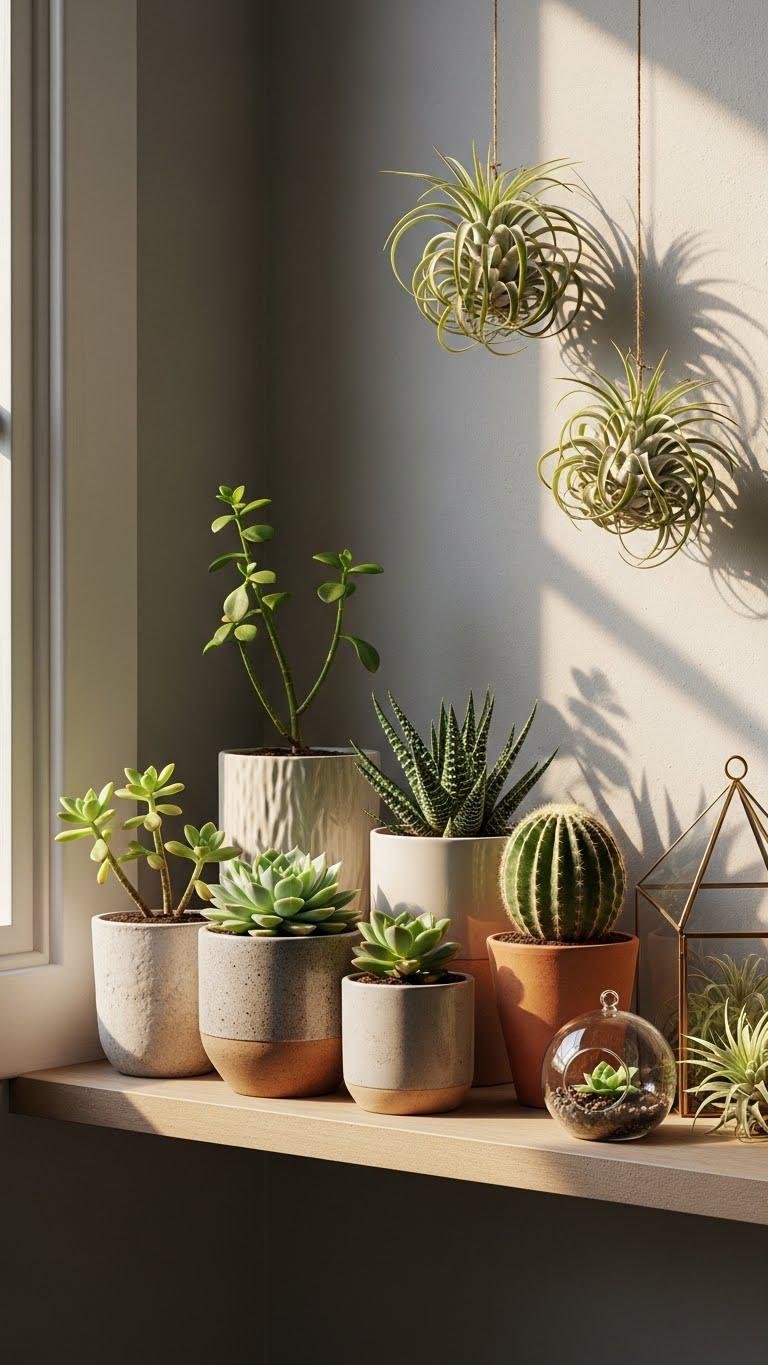
A small cluster of succulents brings a confident, livable calm to a shelf corner—group plants of varied heights and leaf shapes in tactile ceramic or terracotta pots, leaving breathing room between each piece so the eye can move and each silhouette reads clearly.
You’ll mix mini terrariums and hanging airplants for contrast, alternate textures, and step back often to keep the arrangement airy and free.
Stacked Bowls and Plates Ensemble
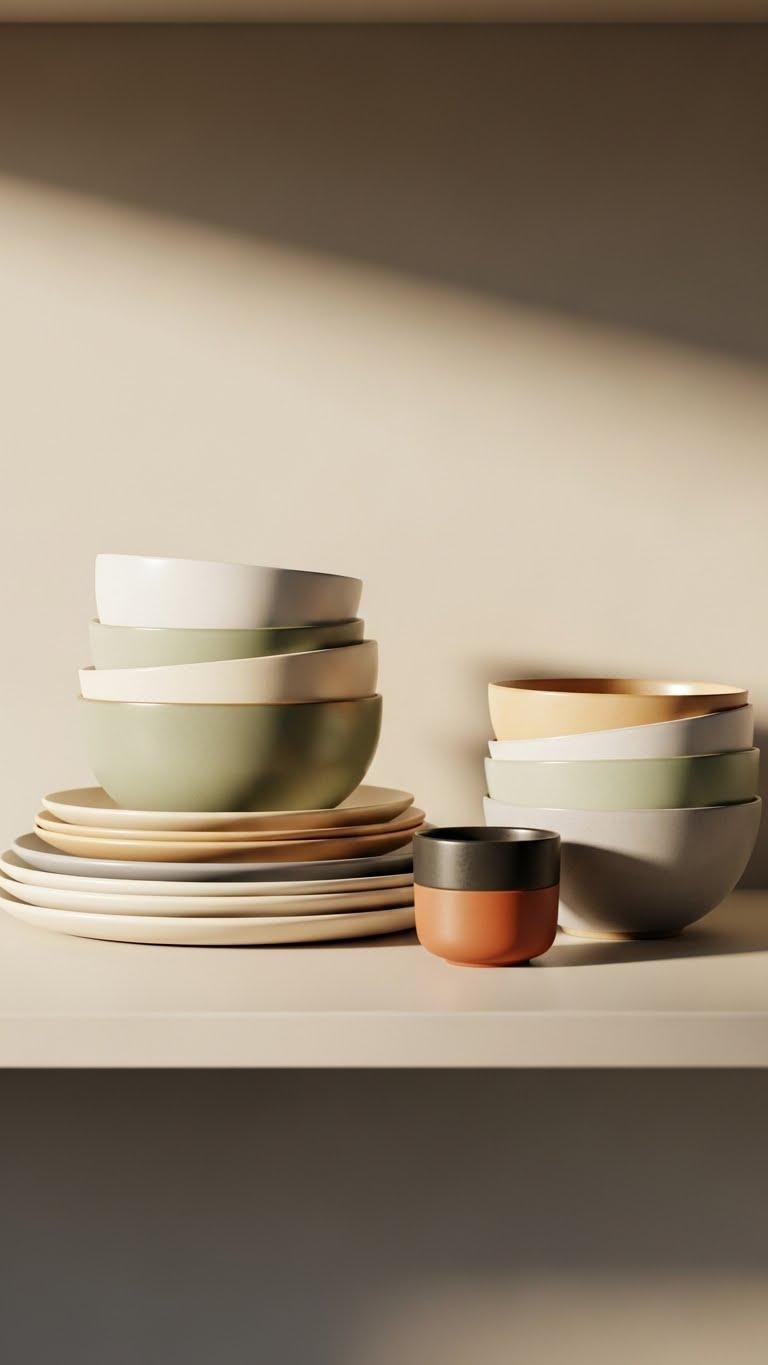
Move your eye from the planted corner to a tidy stack of bowls and plates to keep the shelf feeling lived-in but composed.
You’ll create stacked symmetry with varying sizes and muted glazes, letting ceramic cadence set a gentle rhythm. Arrange with breathing space, alternate heights, and a single accent piece so your shelf feels curated, calm, and free rather than crowded.
Tray-Centered Vignette
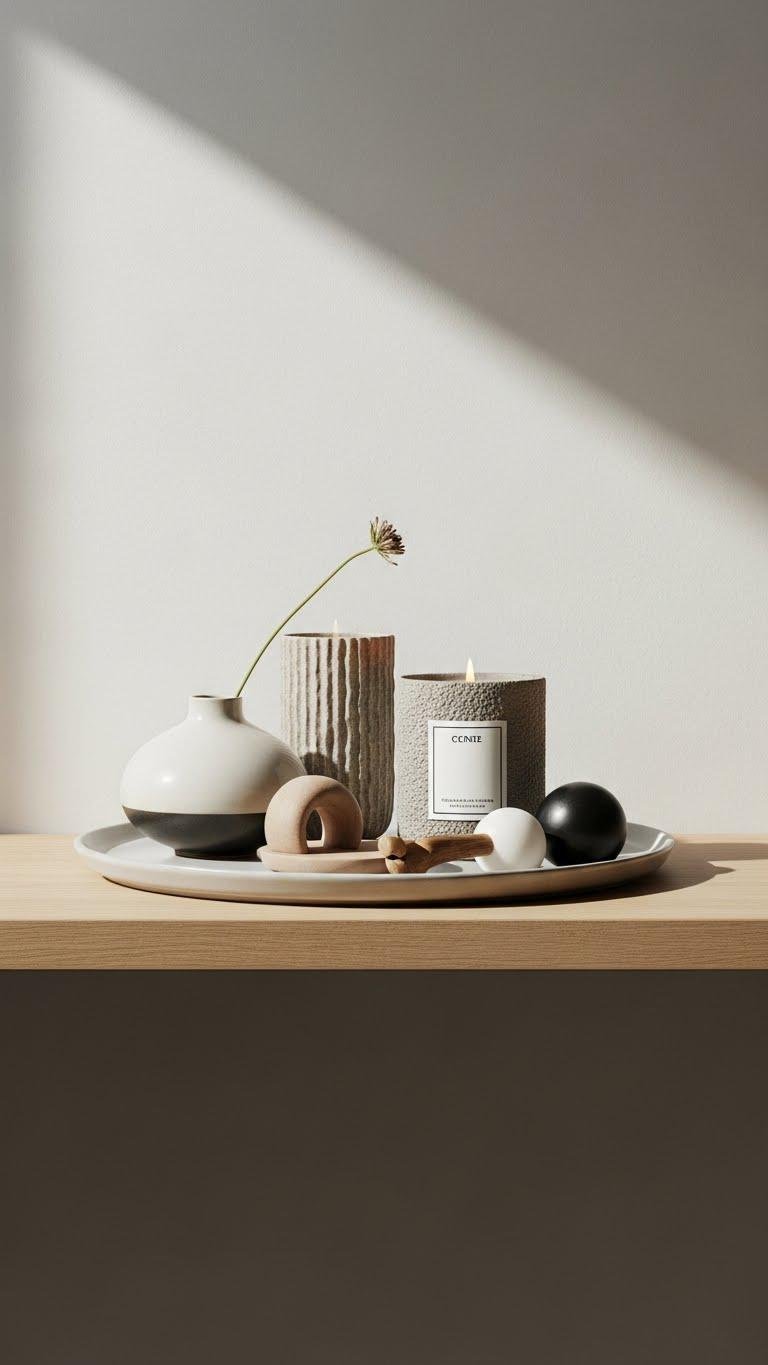
Center a shallow tray to anchor a cluster of objects and instantly give the shelf a composed, gallery-like focus. You’ll place a matte tray, a low vase, and a scented candle together, varying texture and scale for calm rhythm. Let negative space breathe; keep pieces intentional so the arrangement feels curated, balanced, and freeing rather than cluttered.
Tall Jug and Short Objects Pairing
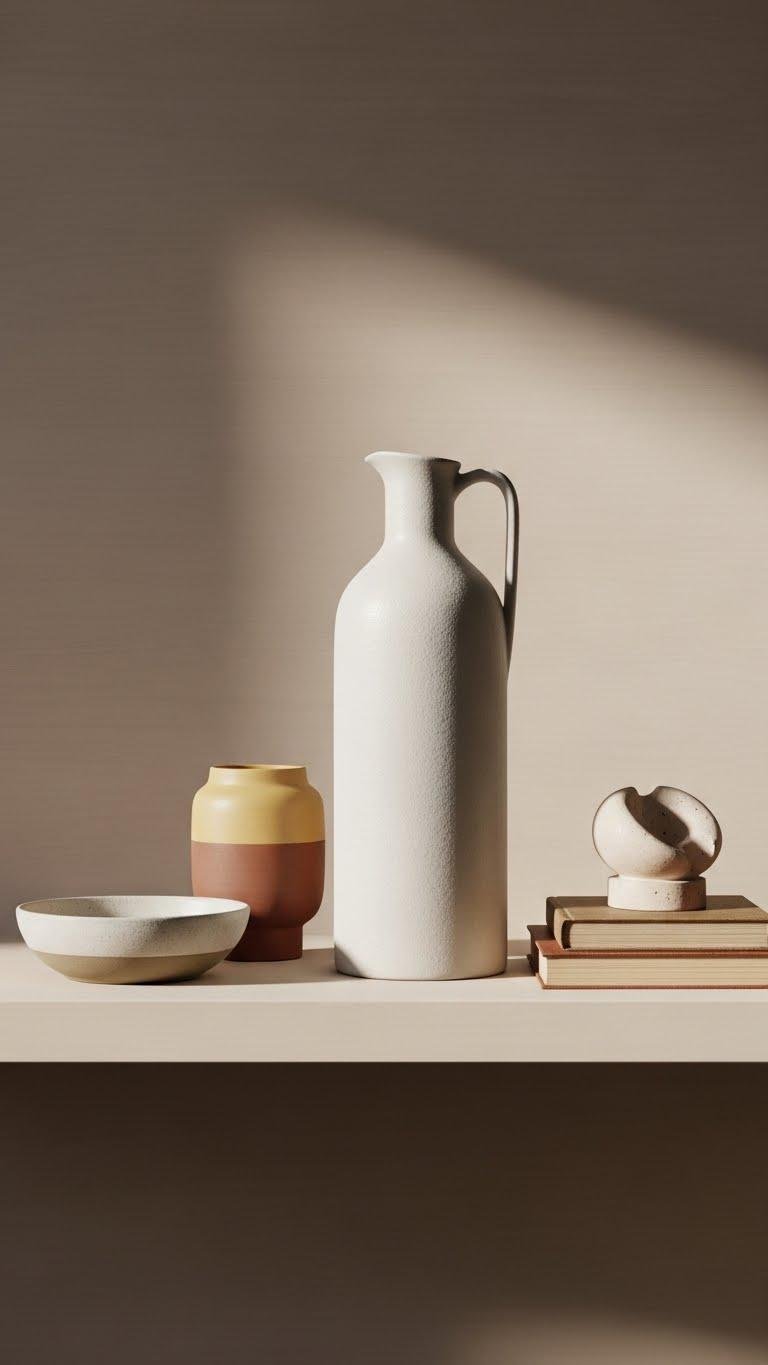
Place a tall jug as an anchoring vertical element and balance it with a few short, tactile objects to create a composed, dynamic grouping. You’ll use height contrast to guide the eye, privileging the jug’s neck focus with a simple silhouette. Arrange low bowls, stacked books, or a small sculpture nearby so each piece breathes, feels intentional, and lets your shelf express effortless freedom.
Vintage Vases Cluster
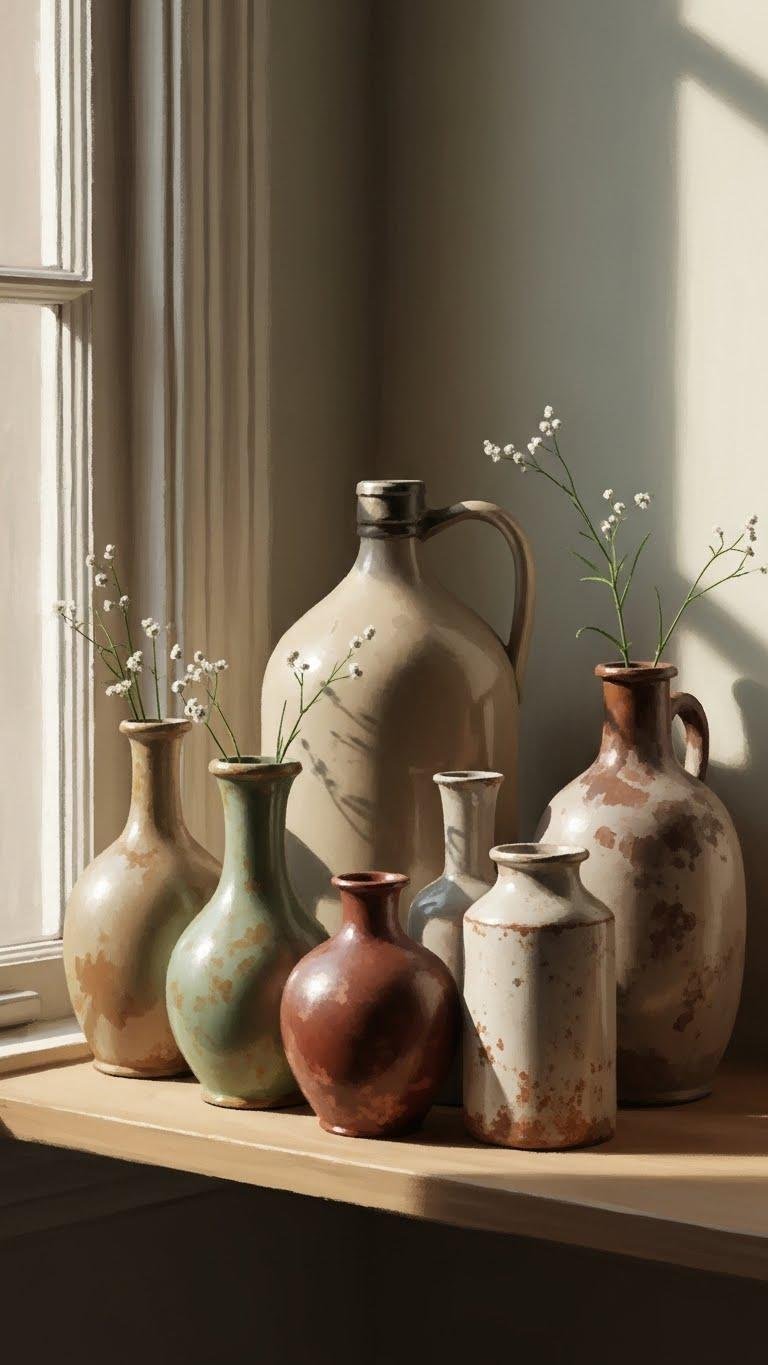
After you’ve used a tall jug and low objects to set a clear vertical rhythm, bring in a cluster of vintage vases to create a softer, more lyrical counterpoint. You’ll curate pieces with aged patina and varied heights, letting floral silhouettes whisper rather than shout. Arrange them loosely, leaving negative space so each shape breathes and your shelf feels effortless, open, and free.
Cookbook Zone With Stand and Accessories
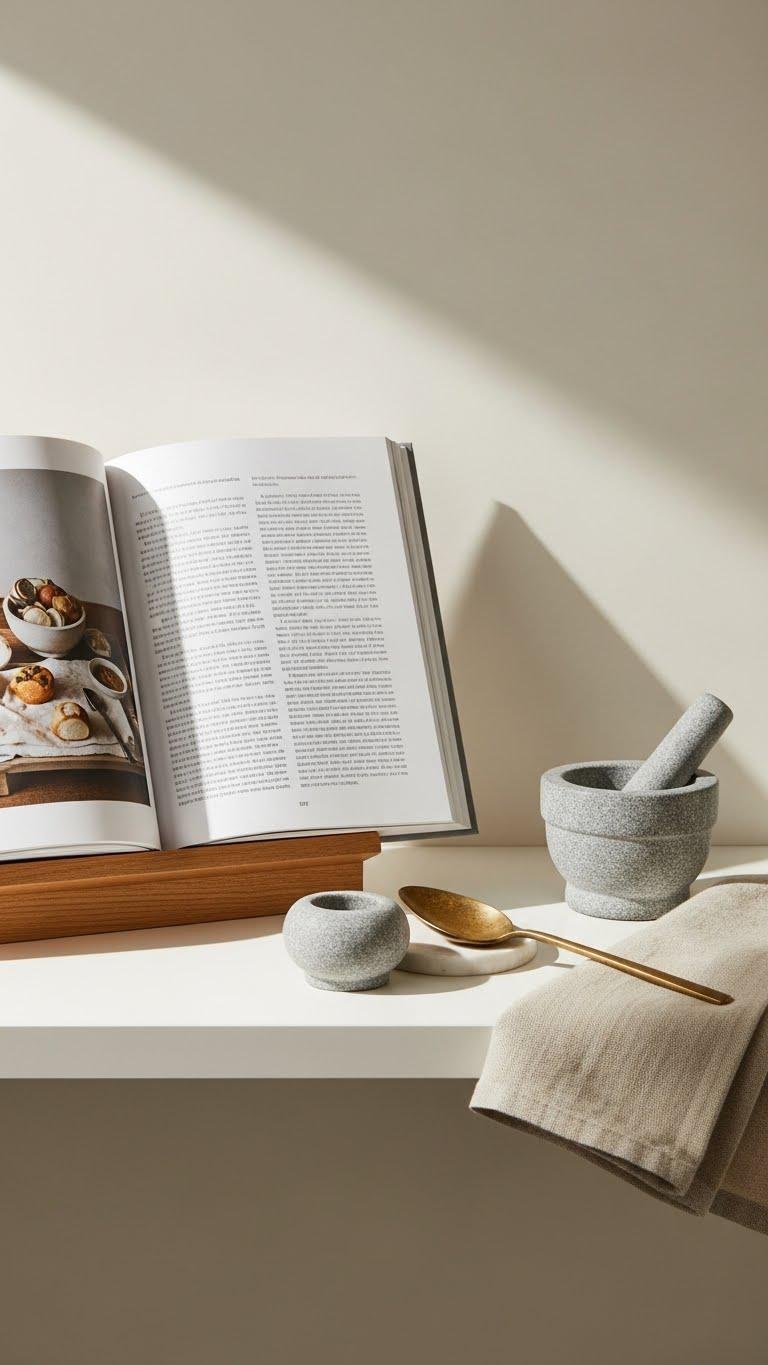
A cookbook zone anchored by a simple stand turns recipes into display art, and you’ll want it to feel both useful and elegantly edited. Place a cookbook podium slightly off-center, open to a favorite page, and balance it with an accessory trio: a small mortar, a brass spoon, and a folded linen. You’ll enjoy a curated, airy shelf that invites spontaneous cooking.
Boxed Storage With Decorative Top
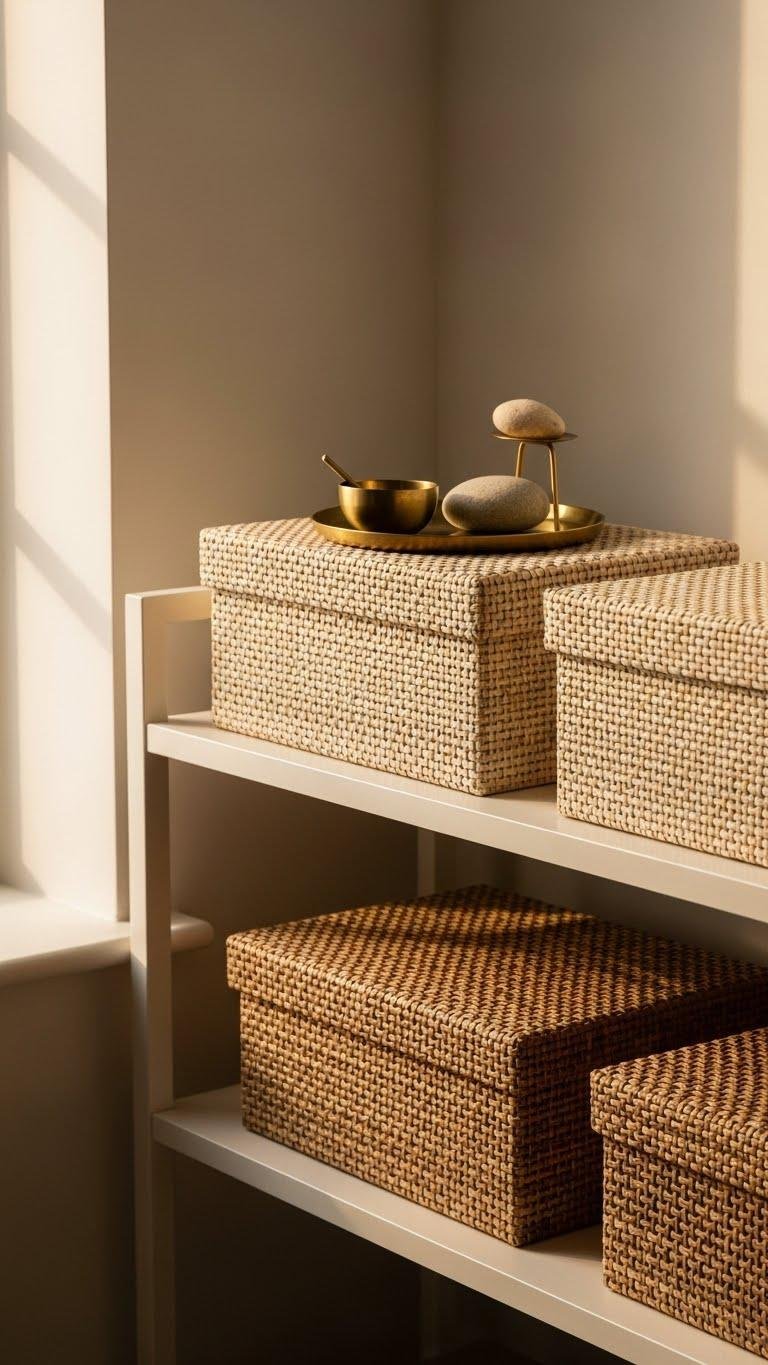
Bring order to a shelf by tucking essentials into low-profile boxes and dressing their tops with a single, sculptural accent.
Choose woven bins for texture and cohesion, keeping contents hidden yet accessible.
Anchor one box with a brass trays vignette—a small bowl or stone—so you’ll feel calm and free.
The look stays refined, practical, and intentionally uncluttered.
Candlestick Trio Arrangement
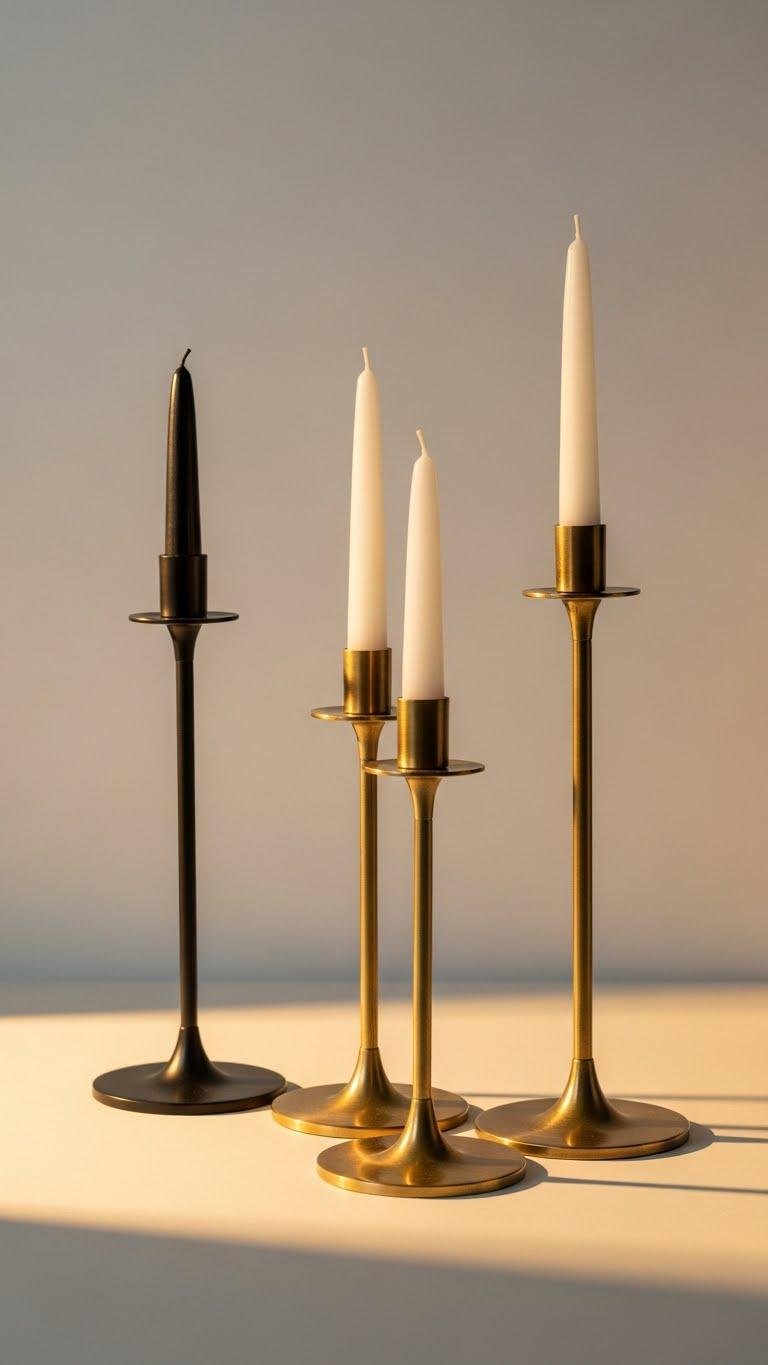
Grouping three candlesticks creates an instant sculptural moment that feels both deliberate and effortless; you’ll want to vary heights and finishes so the eye moves smoothly across the display.
Choose a taper balance with slender tapers, mixing matte and vintage brass for warmth. Arrange asymmetrically yet harmoniously, leaving breathing room so each piece reads like part of a calm, free-spirited composition.
Contrasting Material Pairings
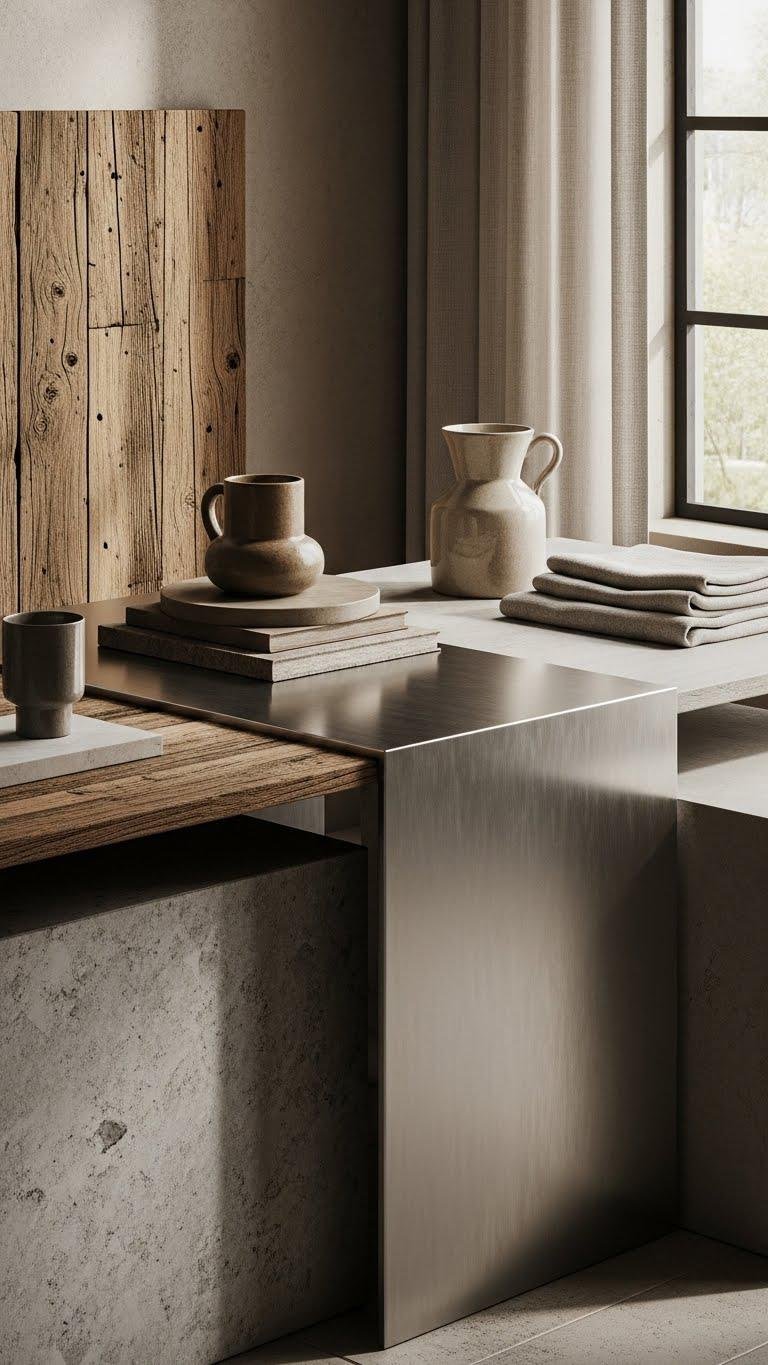
When you pair unexpected materials—like rough-hewn wood with polished metal or soft linen with glazed ceramic—you create tension that feels intentional rather than chaotic.
You’ll balance matte gloss finishes against raw stone wood textures, letting contrasts breathe. Mix weight and lightness, cool and warm tones, and let each element claim space. It feels curated, freeing, and quietly confident without excess.
Odd-Numbered Ceramic Group
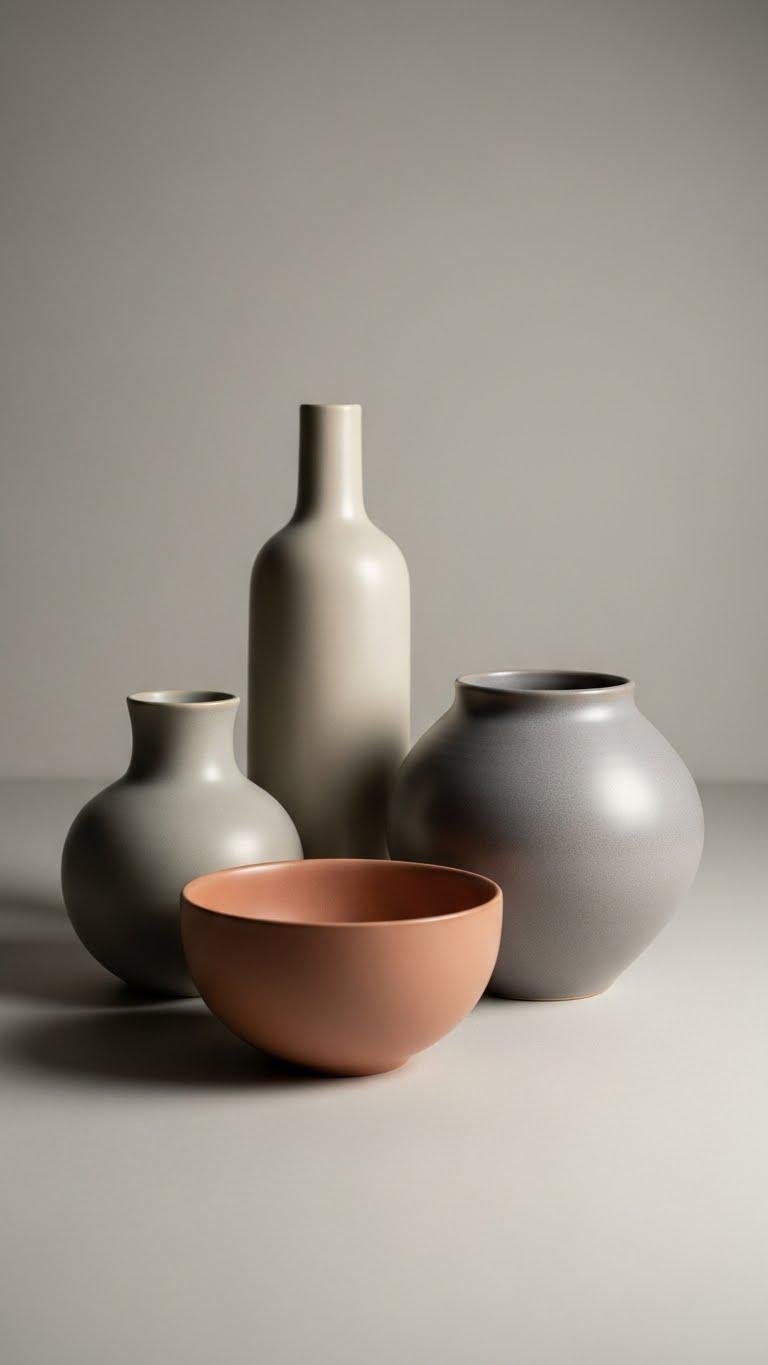
After you’ve set up contrasts in material and texture, arranging ceramics in odd-numbered clusters helps sharpen the composition and feels naturally resolved. You’ll place an asymmetrical trio—varying heights and silhouettes—so each piece breathes. Choose matte glaze finishes to mute glare and unify the set. Let negative space and confident spacing give the display an effortless, liberated calm you can live with.
Plate and Cutting Board Backdrop
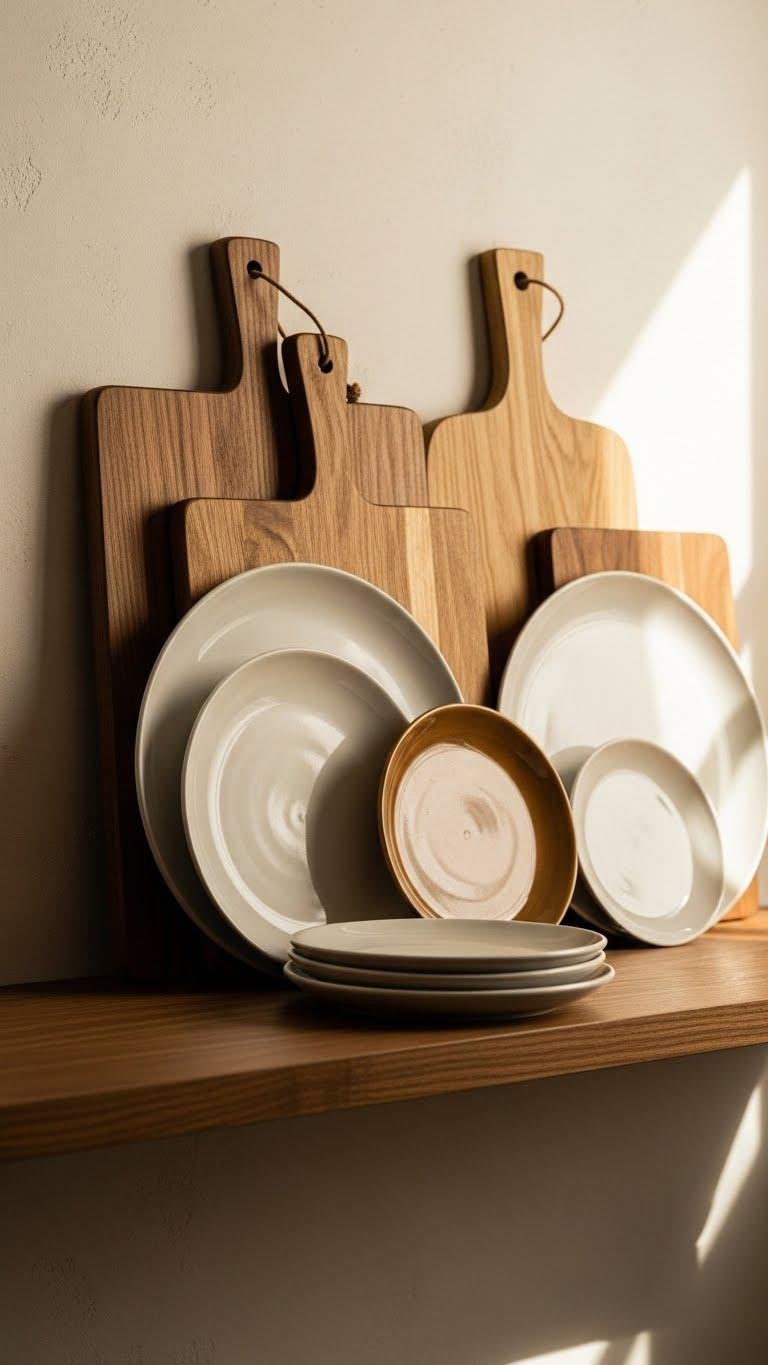
Pairing plates and cutting boards as a backdrop instantly adds structure and warmth to your shelf styling; place them leaning against the wall at staggered heights to create a layered, architectural frame for your objects.
You’ll combine a ceramic backdrop with wooden boards to balance texture and tone. Let the wood contrast anchor pieces, then arrange a few airy objects for a curated, liberated feel.
Low-Profile Horizontal Book Stack
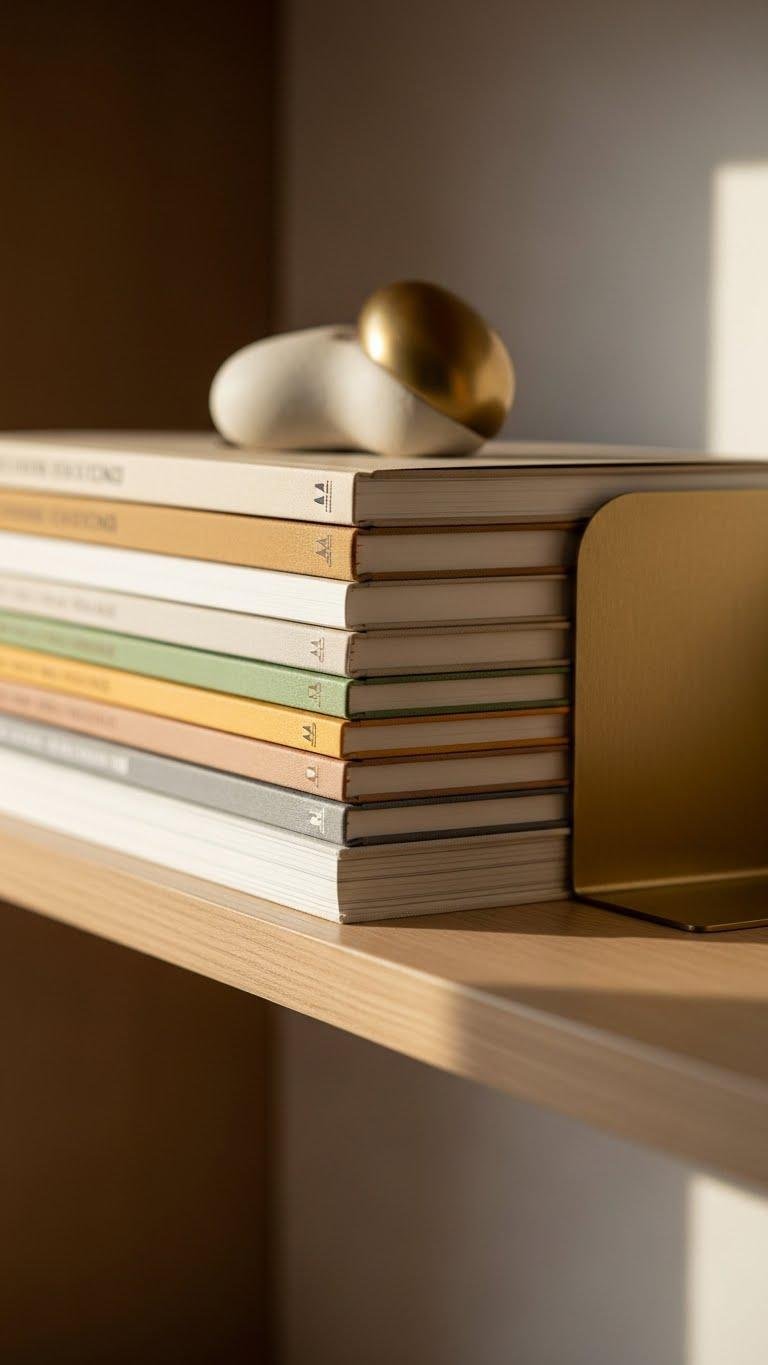
Keep your shelf feeling grounded by introducing a low-profile horizontal book stack that anchors the vignette without overpowering it.
You’ll layer slim volumes in a layered horizontal stack, letting textures and color breathe.
Add weight with simple book ends and a small object atop the pile to guide the eye.
This restrained arrangement feels curated, balanced, and quietly freeing.
Glass Cloche Focal Point
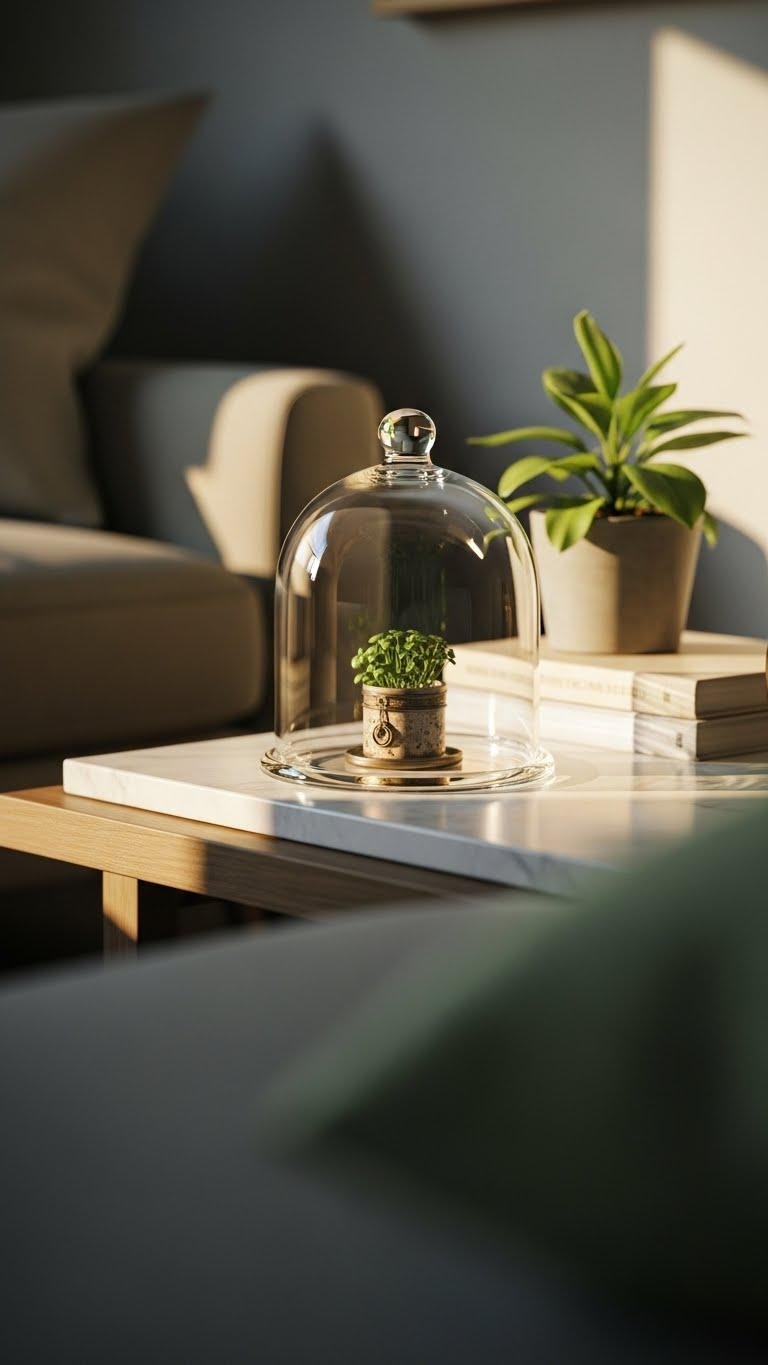
Bring a glass cloche into your vignette to create an instant focal point that feels both precious and approachable. You’ll place an antique cloche over a small object or plant, letting terrarium styling breathe life without clutter. Keep surrounding pieces low and matte so the cloche shines. You’ll enjoy a calm, liberated display that reads curated, balanced, and effortlessly personal.
Symmetrical Balance With Asymmetric Pieces
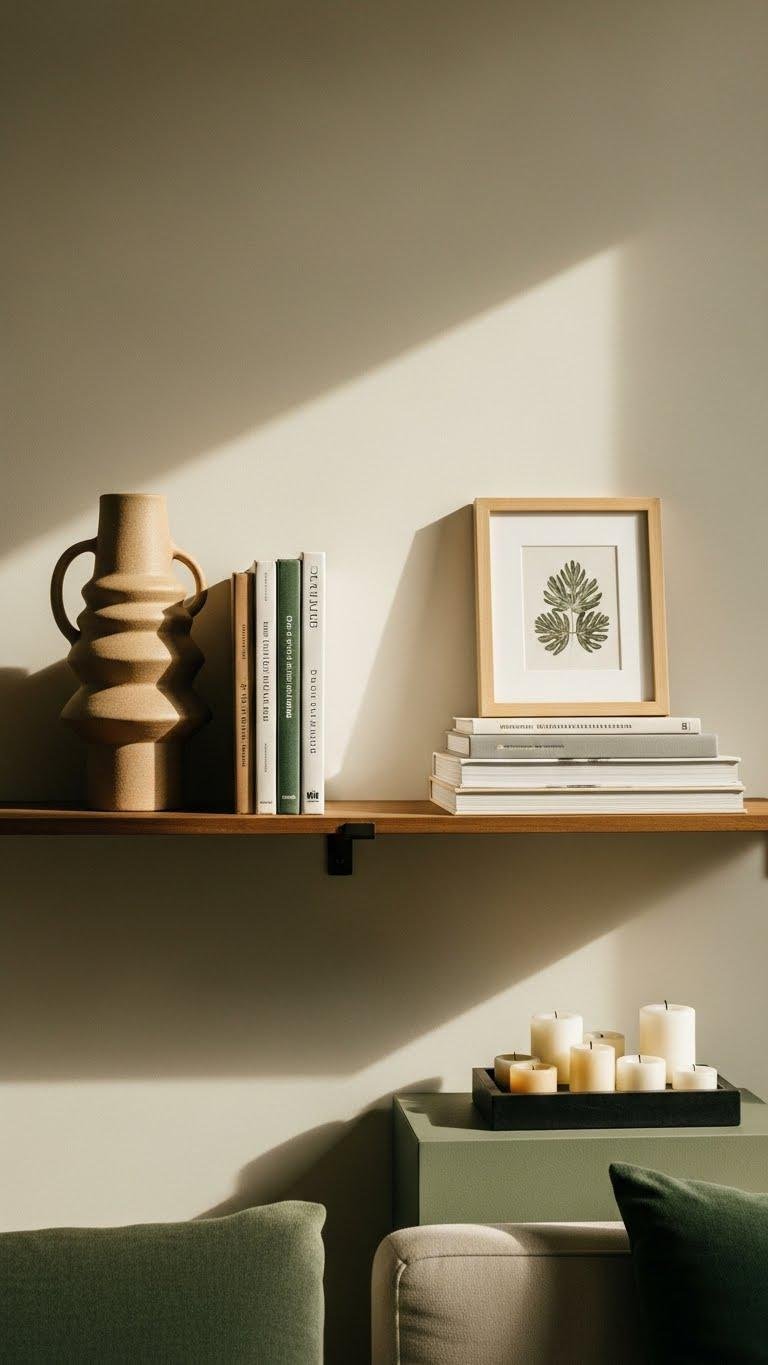
Although the pieces themselves may be irregular, you can arrange them so the overall effect reads as calm and intentional, using mirrored weight, color, or height to create a clear centerline. Embrace mirror symmetry with asymmetric objects: pair a sculptural vase against stacked books, use a weighted grouping to anchor each side, and let negative space breathe so your shelves feel liberated and deliberate.
Layered Framed Prints Composition
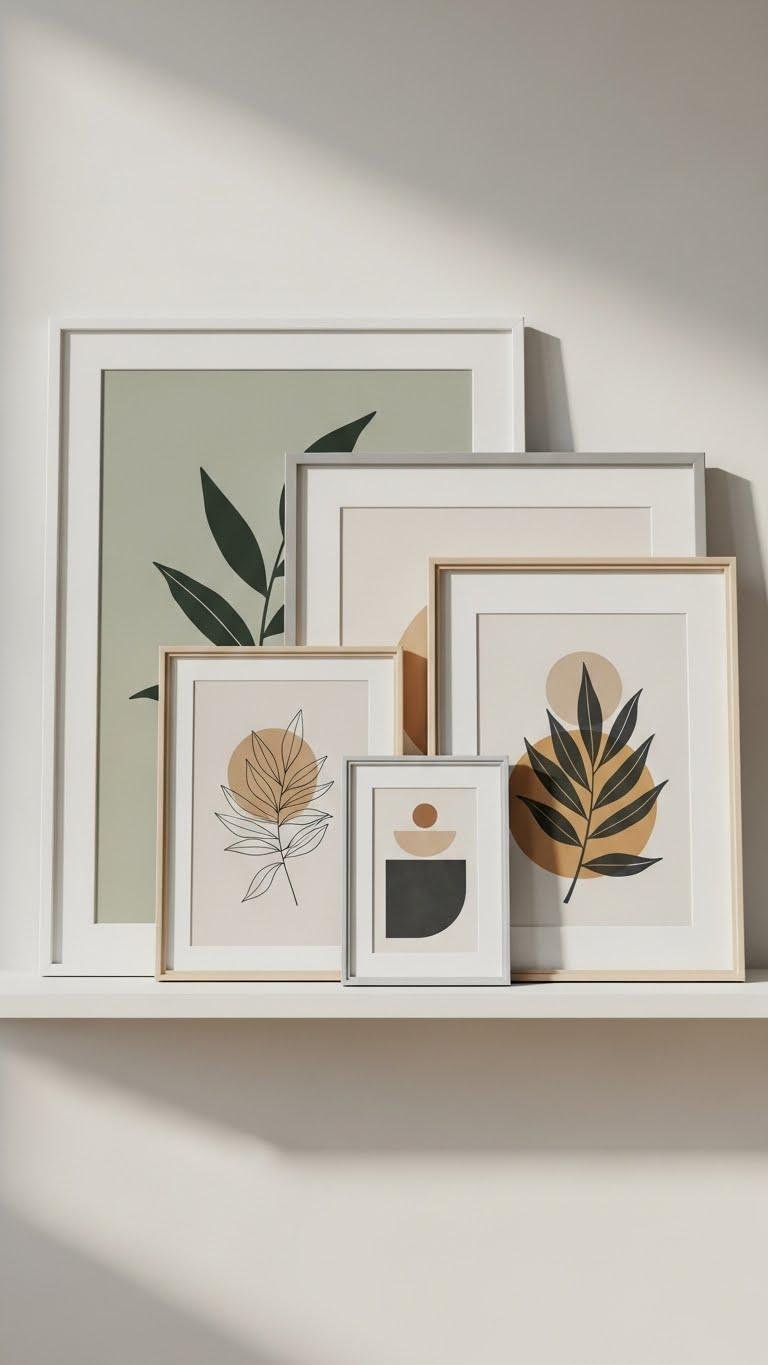
After you’ve established balance with asymmetrical objects, layer framed prints to add depth and personality without upsetting that calm centerline. You’ll lean larger matte frames at varying depths, tuck smaller works slightly forward, and choose soft matting to let images breathe.
Keep color and scale restrained so each piece feels intentional, giving you a curated, airy shelf that invites effortless freedom.
Small Plant and Decorative Clock Moment
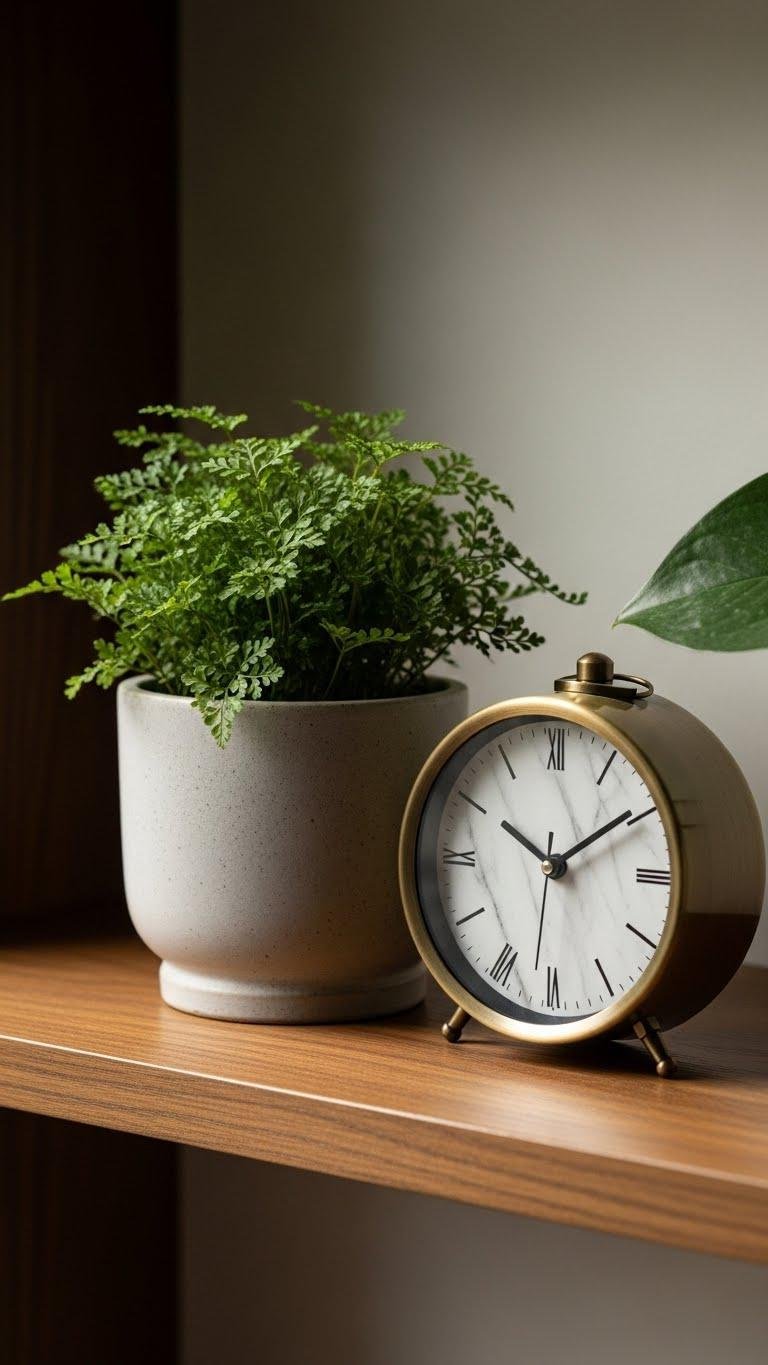
Tuck a small potted plant beside a decorative clock to create a deliberate pause on your shelf that feels both alive and measured. You’ll pair a miniature fern or ceramic pothos with a marble clock or brass alarm, mixing organic texture and sculpted metal.
This curated duo lets your space breathe, imparting calm confidence and a subtle sense of liberated order.
Textured Basket and Soft Accents
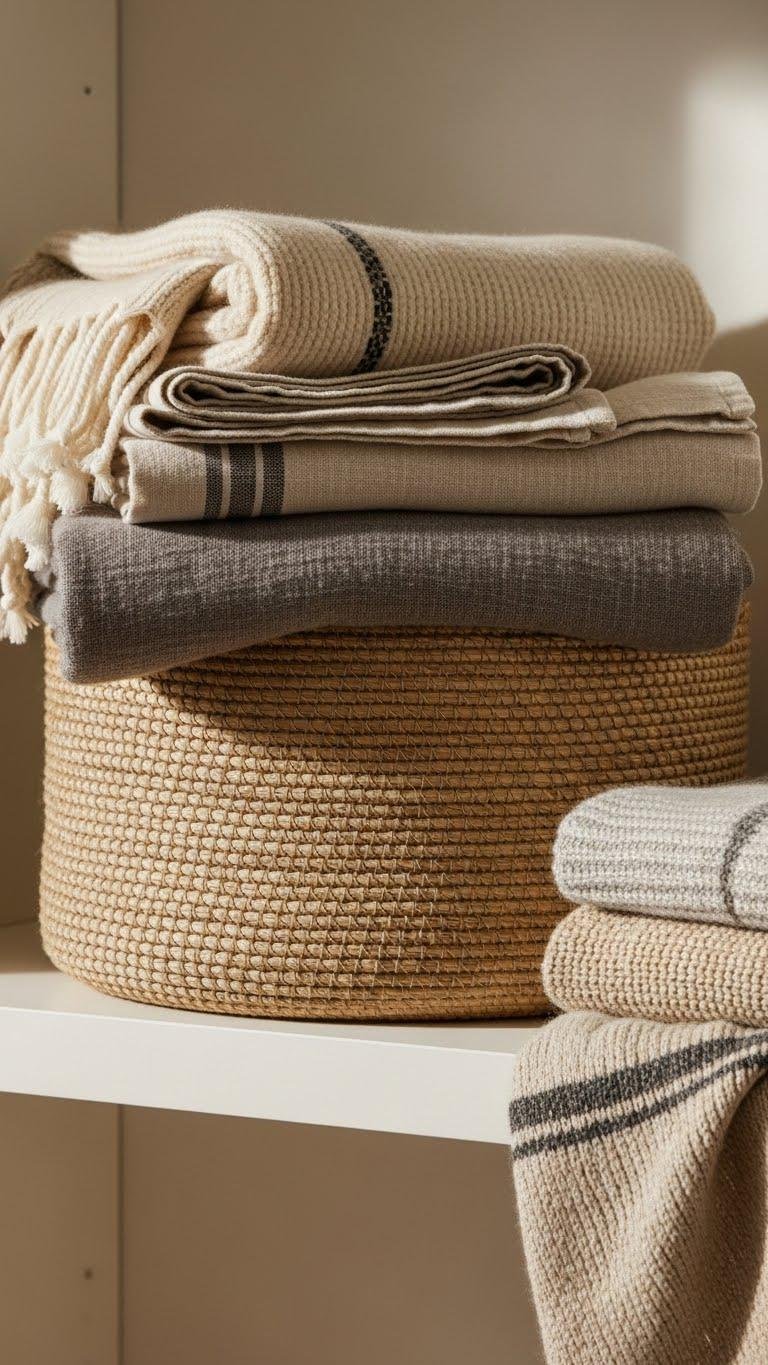
Woven texture and soft fabric create a quietly sophisticated counterpoint on your shelf, where a tactile basket anchors a cluster of folded throws, linen napkins, or a casually draped knit to soften the arrangement. You’ll pair woven textures with soft neutrals, mix scale and subtle pattern, and let air and ease balance pieces so your display feels curated, calm, and freely personal.
Open Shelf With Negative Space Accent
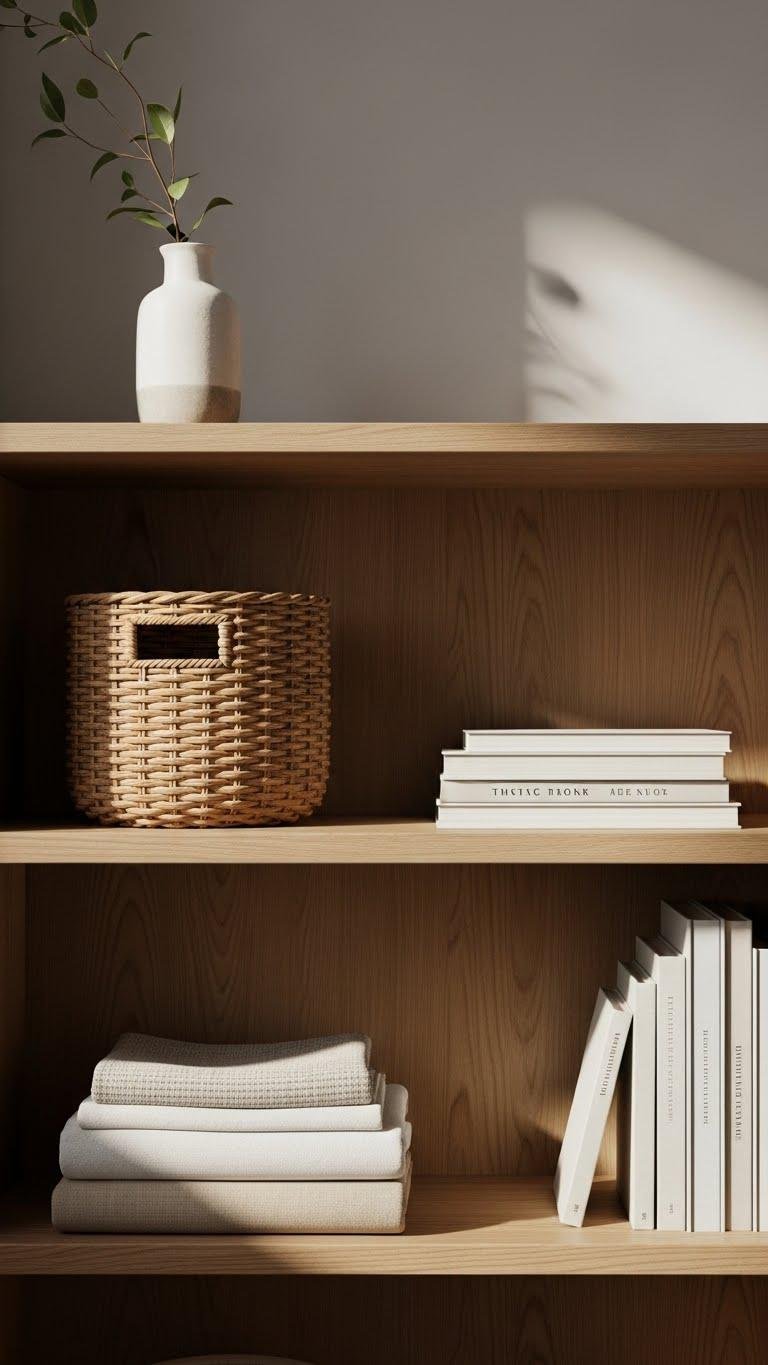
If the textured basket and soft linens bring warmth and tactility to your shelf, an open-shelf layout with generous negative space will let those elements breathe and read with greater intent. You’ll embrace negative spacing, placing select objects with restraint so each piece sings. Airy accents—single vases, pared books—create calm, curated vistas that invite movement and freedom in your room.
Mixed-Height Sculpture Display
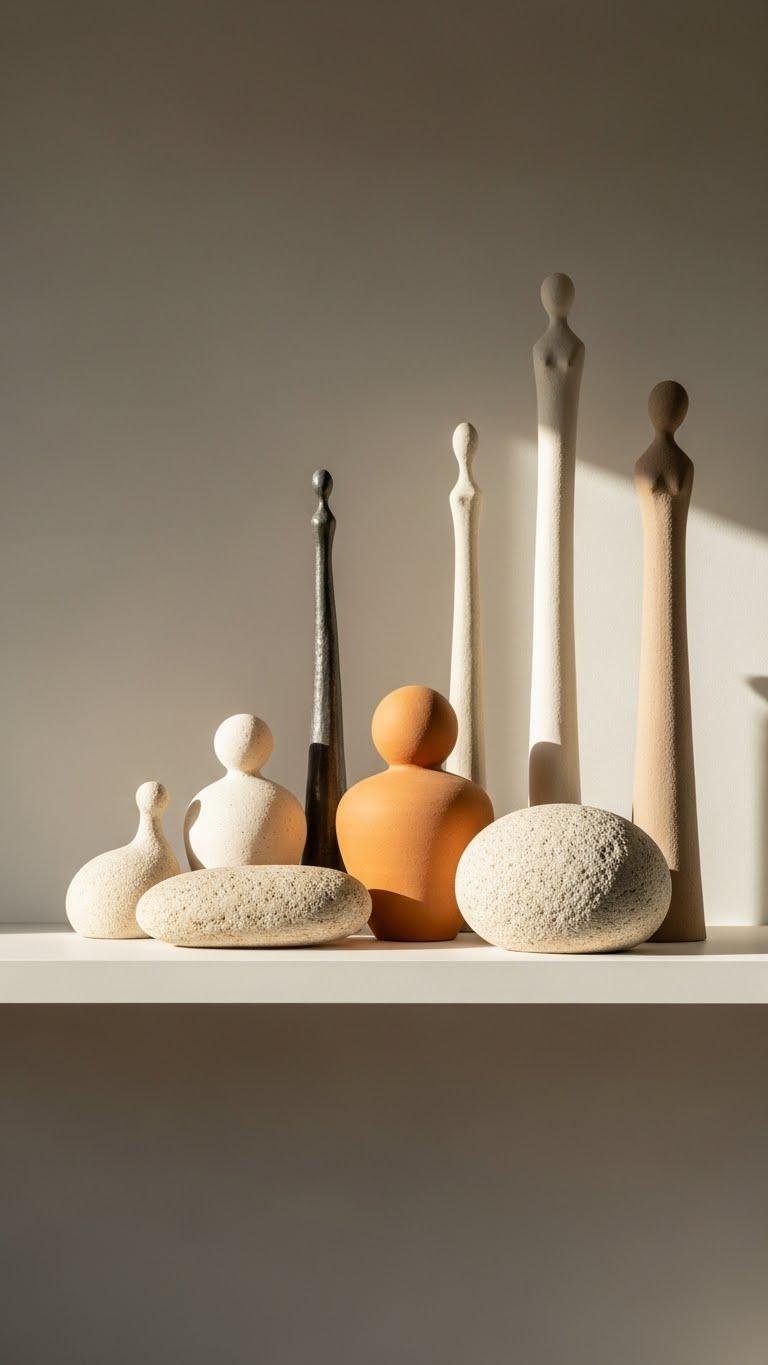
Layer sculptures at varying heights to create a rhythmic skyline on your shelf that draws the eye and defines a focal point. You’ll mix scale contrast deliberately, pairing tall, slender pieces with low, rounded forms to suggest movement and openness. Arrange a restrained focal grouping so each object breathes; you’ll keep balance while embracing an unfussy, liberated aesthetic that feels calm and intentional.
Curated Seasonal Rotation
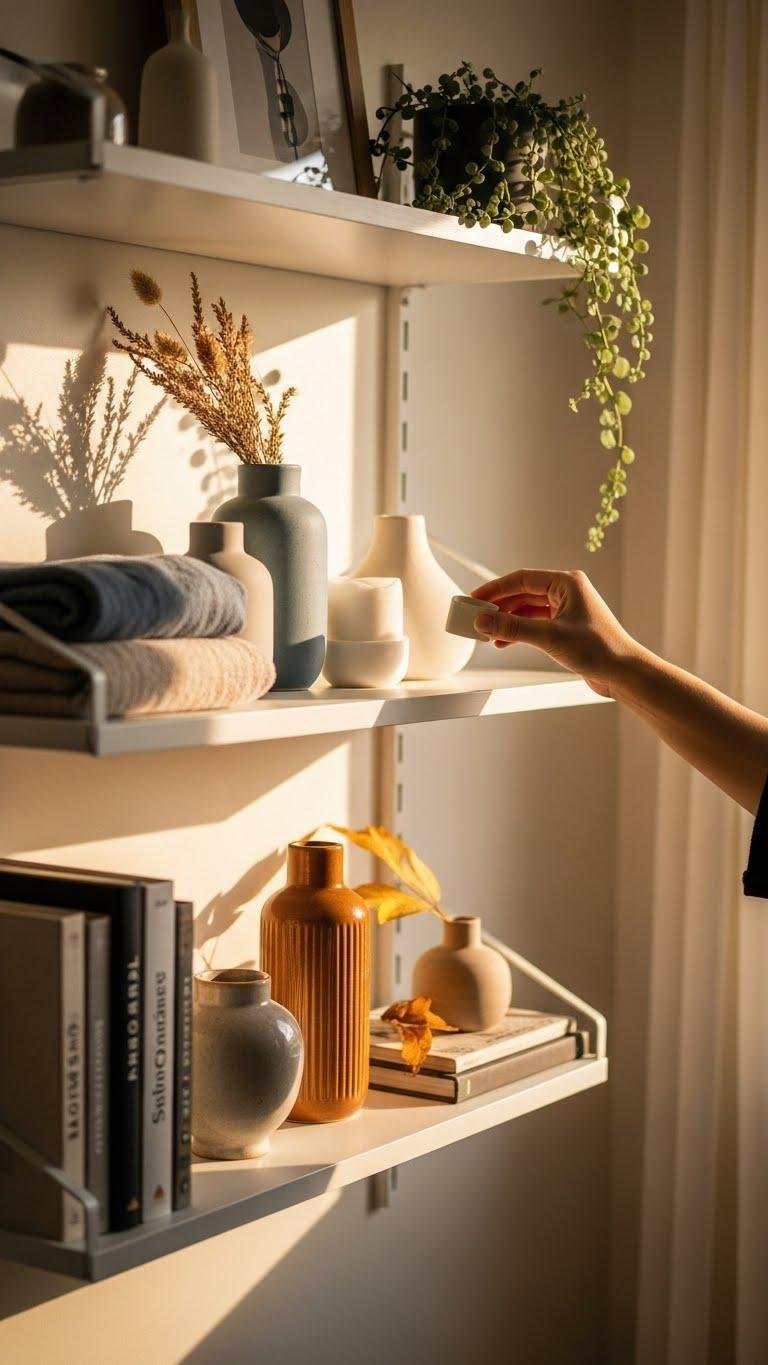
When the seasons shift, rotate a few thoughtfully chosen pieces so your shelf feels fresh without starting from scratch; you’ll let color, texture, and mood change subtly while keeping the overall composition intact.
You’ll use a seasonal palette to guide choices, follow a compact rotation checklist, and swap objects with intention—letting each changeover feel deliberate, light, and liberating rather than overwhelming.