
You can turn your bedroom into a true sleep sanctuary with simple, intentional choices that calm the senses and cut visual noise. Start with muted palettes and breathable linens, add layered lighting and sound‑softening textures, then fine‑tune mattress, pillow, and humidity for real comfort. These 29 ideas are practical, low‑fuss moves that help you sleep better—and once you try a few, you’ll want to keep going.
Choose a Soothing Color Palette
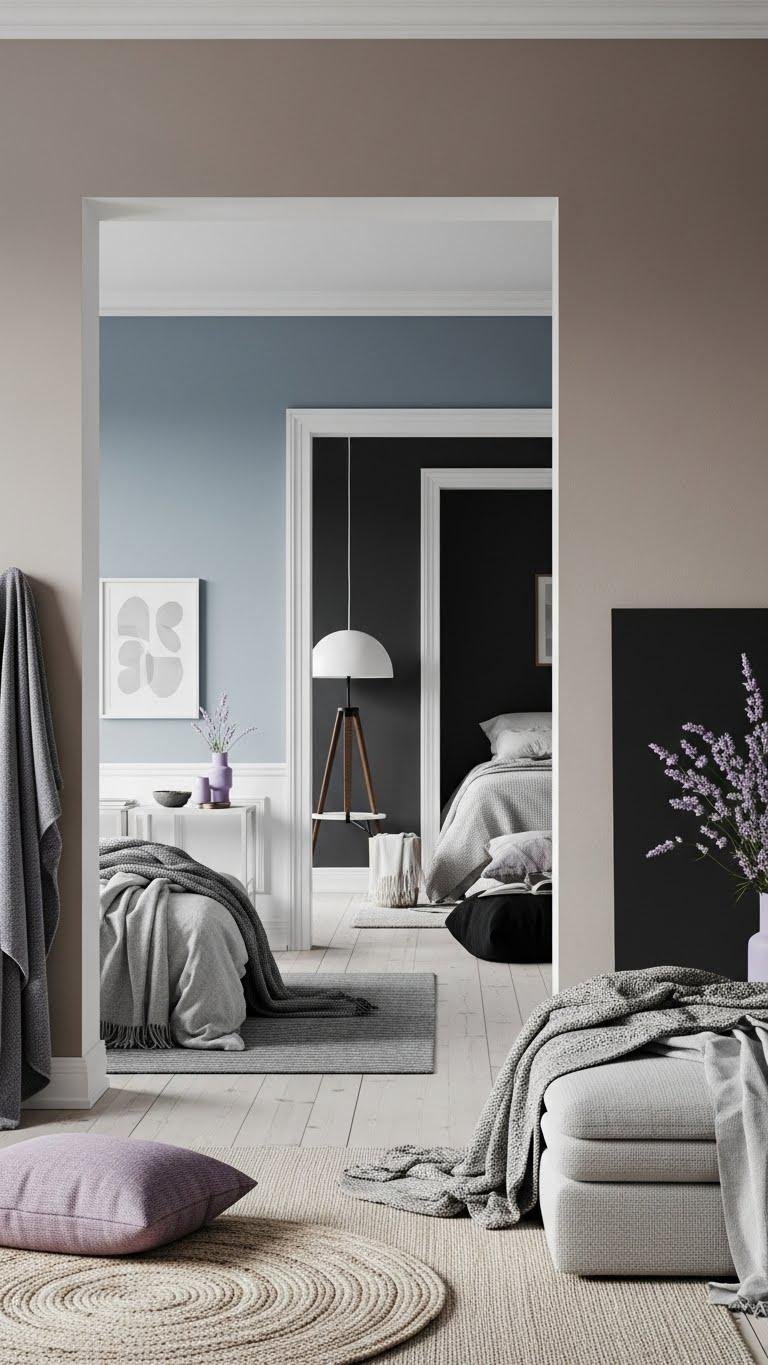
When you want calm, pick colors that settle the eye: soft blues, muted greens, warm neutrals, or gentle lavenders. You’ll choose muted blues and warm taupes as anchors, pairing them with crisp whites or deep charcoal for contrast. Paint walls, pick linens, and add textured accents to create a roomy, uncluttered feel. You’ll breathe easier and move freely in a serene palette.
Install Dimmer Lighting
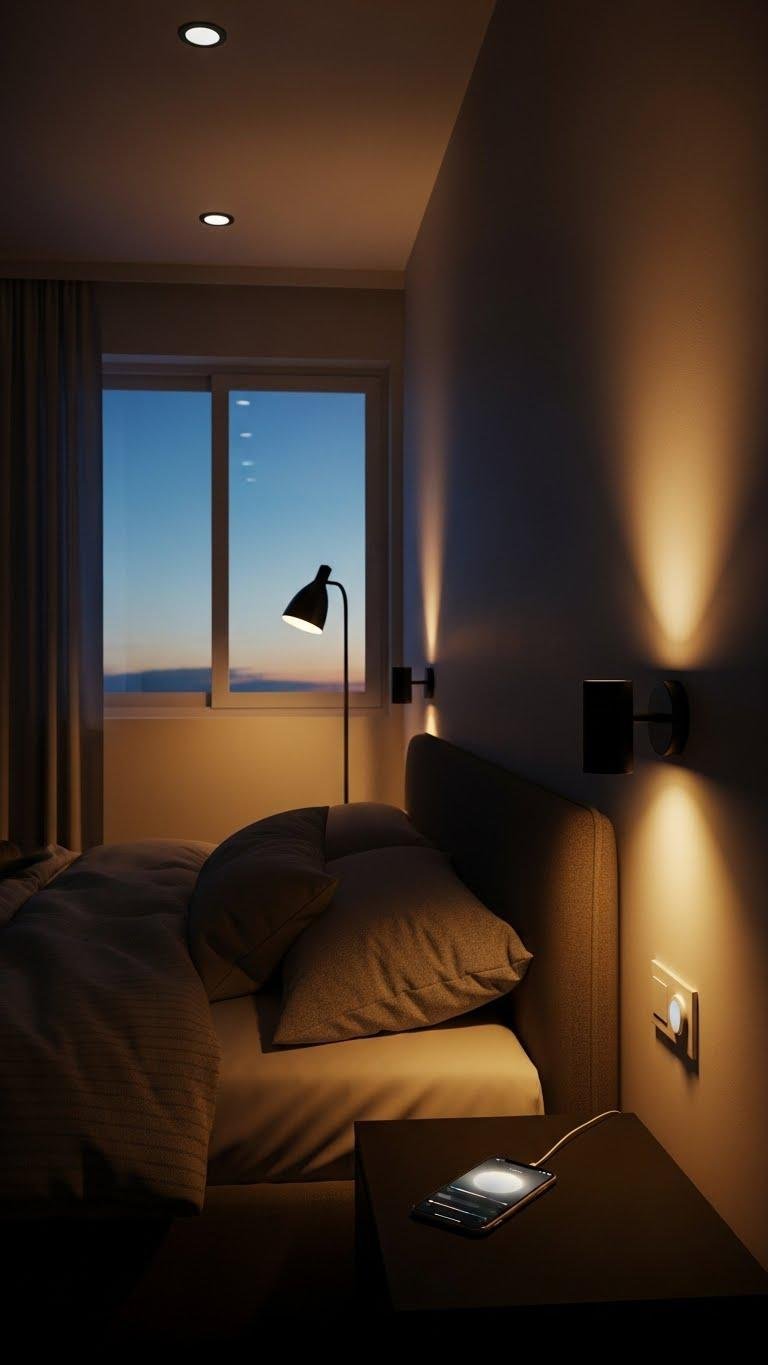
If you want to shift the room’s mood in an instant, install dimmer lighting to control brightness and softness throughout the day. Add smart switches for effortless adjustment from bed or phone, schedule scenes that mimic sunset simulation to cue relaxation, and mix layered fixtures for directional control. You’ll craft a bedroom that feels open, calm, and ready for rest without sacrificing freedom or style.
Use Warm Low‑Intensity Bulbs
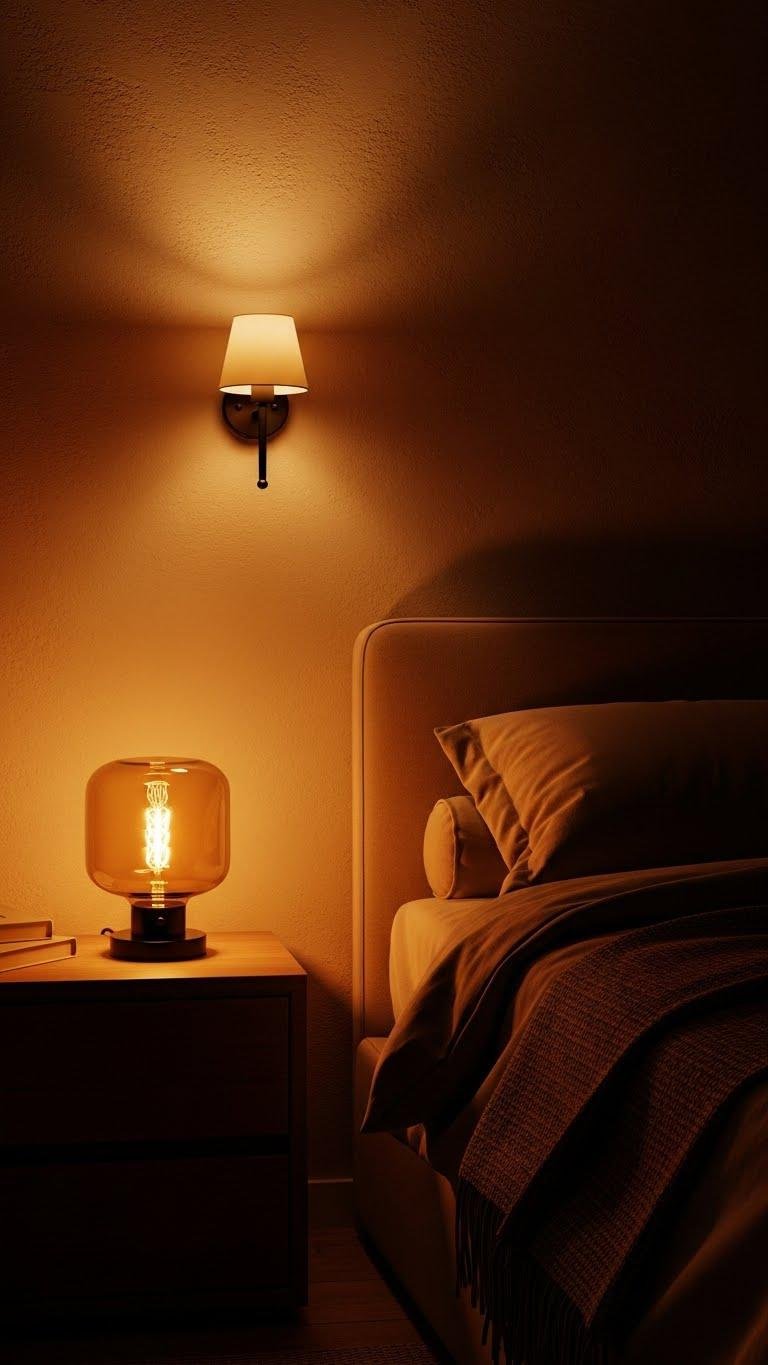
Often you’ll find the right bulb transforms a room: choose warm, low‑intensity bulbs to soften edges, mute colors, and make textiles look richer without harsh glare.
You’ll want a warm filament effect or soft amber glow in bedside lamps and wall sconces. Position lights for indirect wash, reduce contrast, and keep control simple so you can dim down and unwind freely each night.
Position the Bed for Comfort and Safety
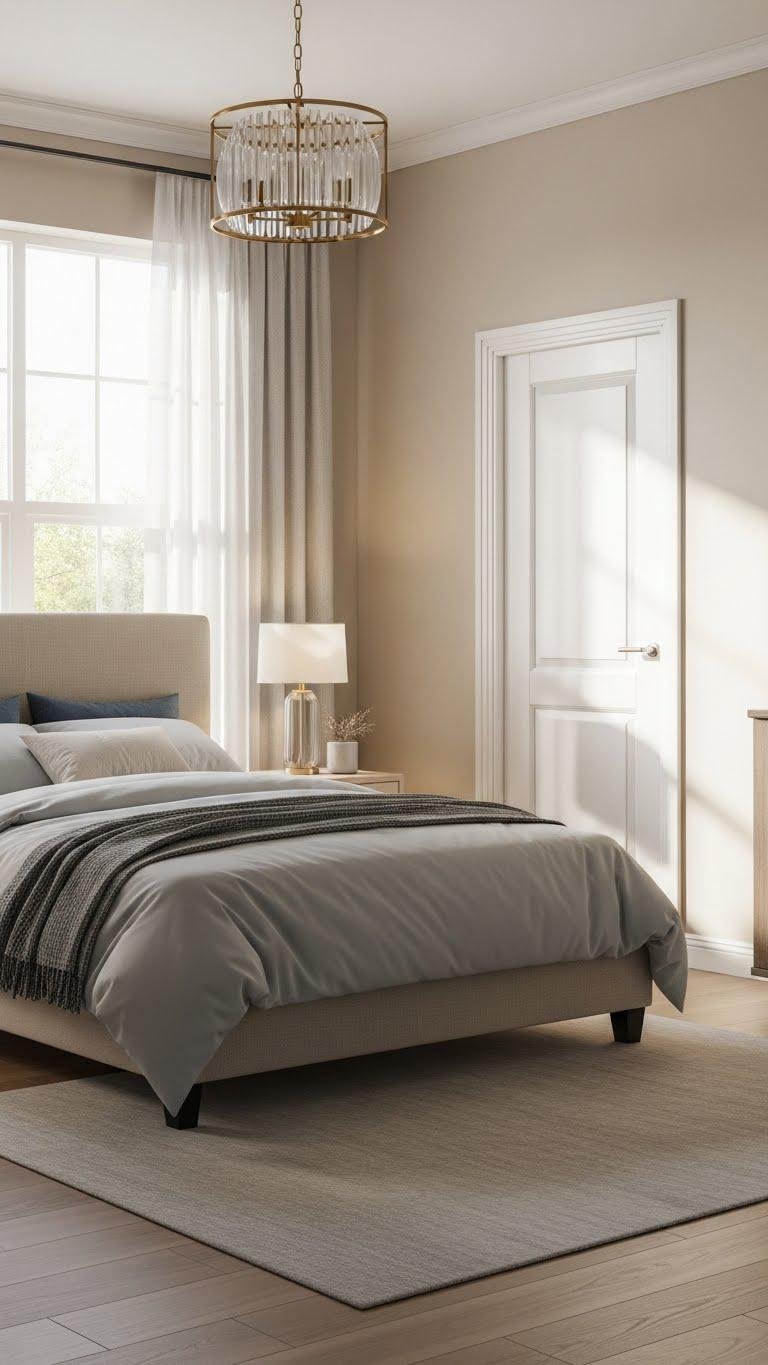
When you place your bed, aim for a balance of comfort and safety: position it so you can get in and out easily, enjoy natural light without glare, and keep clear pathways for movement and emergency access.
Face the headboard orientation toward a solid wall for stability, angle the bed to preserve door visibility, and leave walking space so you move freely and sleep without worry.
Declutter With Minimalist Storage
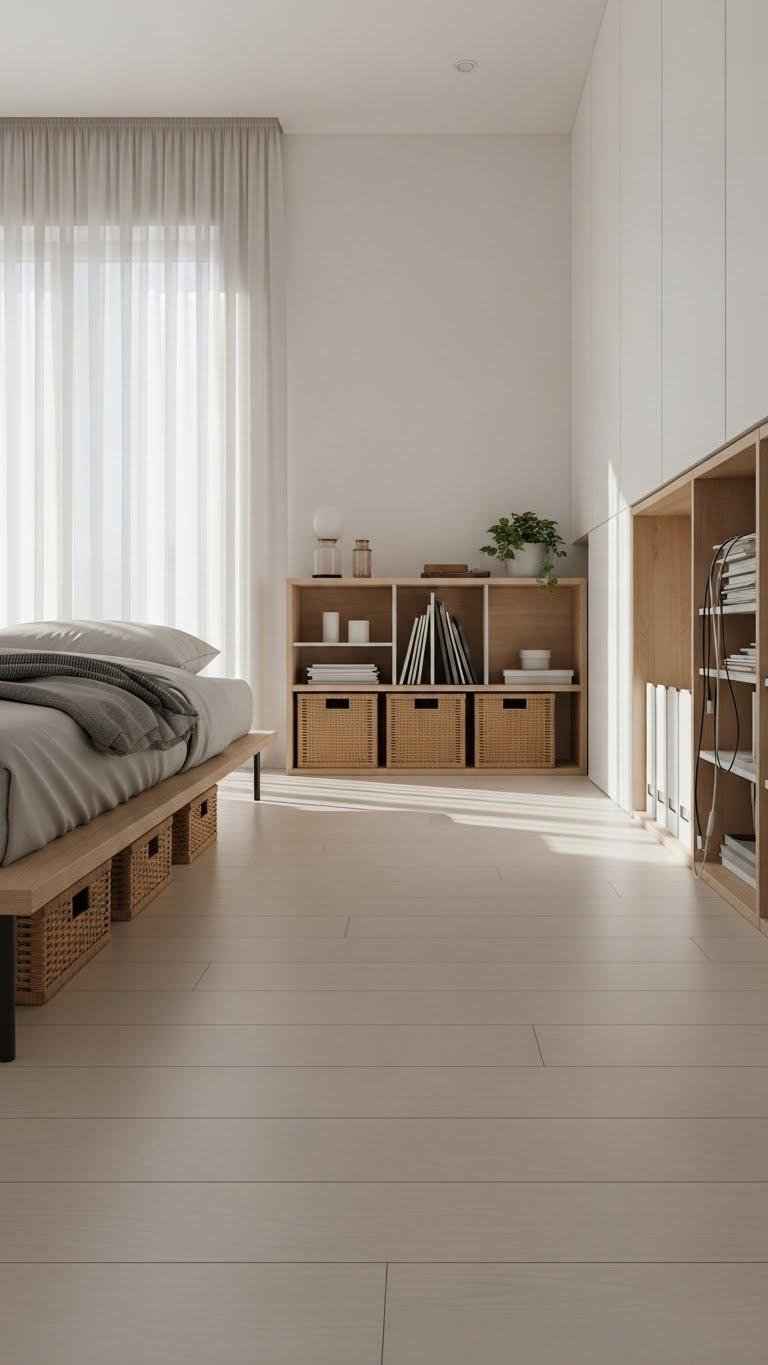
Clear out what’s unnecessary and keep only pieces that serve a purpose or bring you calm; minimalist storage is about making every item earn its place. You’ll free space with modular baskets under the bed, slim shelving, and built-in hidden compartments for papers and cables. Keep surfaces bare, store essentials thoughtfully, and choose units that let you move quickly — simplicity fuels freedom and restful sleep.
Incorporate Natural Materials
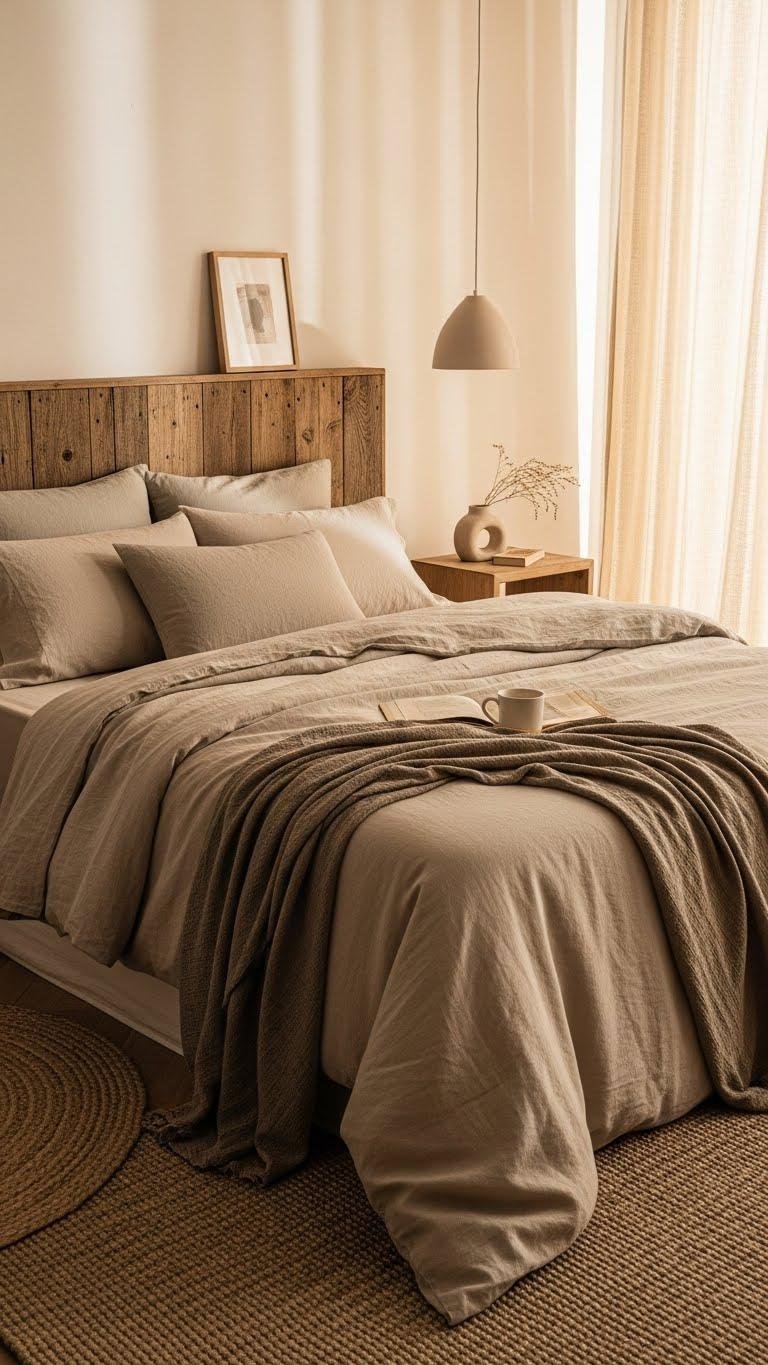
Once you’ve pared down to only what matters, bring warmth and texture back with natural materials that calm the senses.
Choose bamboo textiles for sheets and throws — breathable, soft, low-maintenance.
Add reclaimed wood furniture or an accent wall for grounded character without excess.
Opt for neutral tones, simple shapes, and tactile contrasts so your bedroom feels free, intentional, and quietly restful.
Bring in Calming Greenery
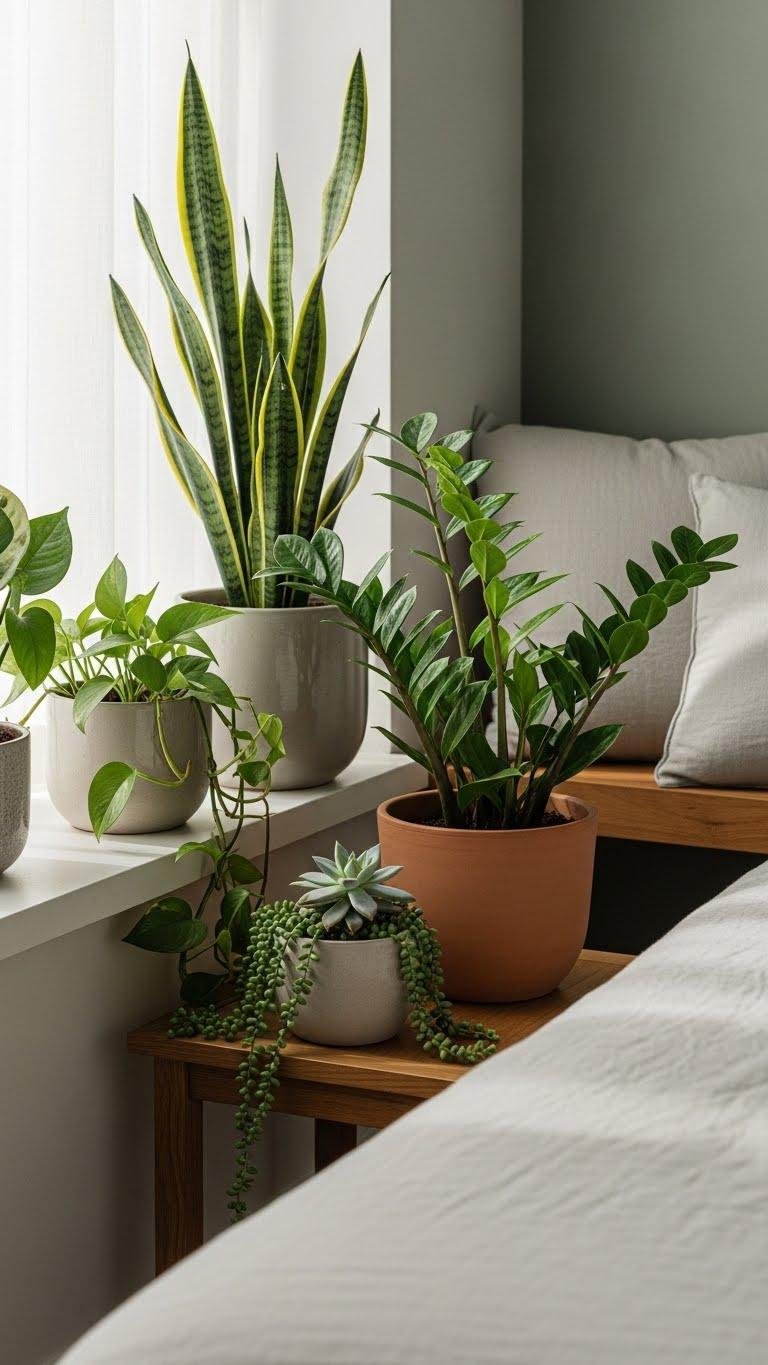
Often a few well-placed plants can change a room’s mood: choose sculptural, low-maintenance greens like snake plants, pothos, or ZZ plants to add life without clutter. You’ll create calm by grouping air purifying succulents and trailing vines in neutral ceramic planters.
Position them where light’s soft, keep watering minimal, and let greenery offer fresh texture, freeing your space for restful sleep.
Apply Sound‑Absorbing Curtains
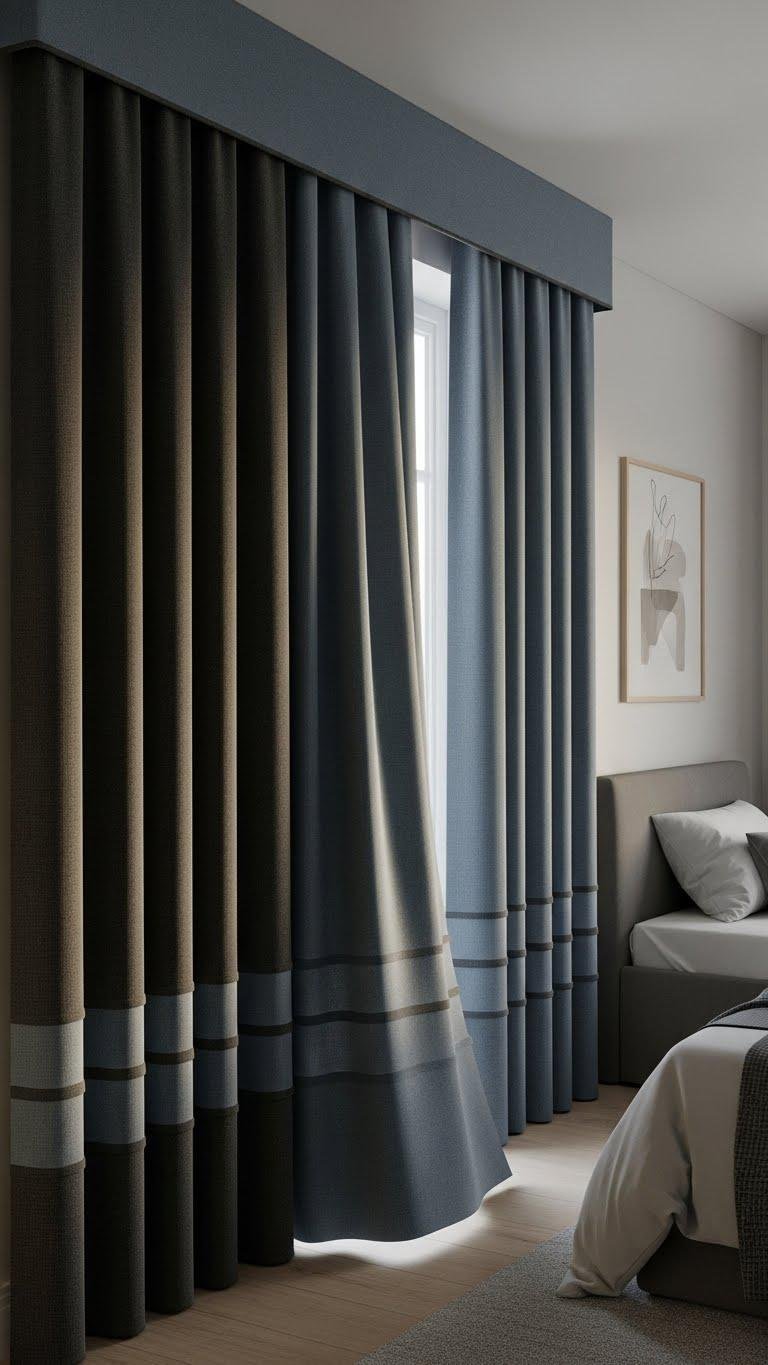
Usually, you’ll notice better quiet when you swap thin drapes for sound‑absorbing curtains: dense fabrics and layered hems trap echoes and muffle street noise, softening the room’s overall acoustics. Choose panels with thermal lining to block drafts and reduce reverberation. Mount an acoustic valance to seal gaps and create clean lines. You’ll sleep freer in a calmer, visually simple space.
Add a White Noise Machine or Fan
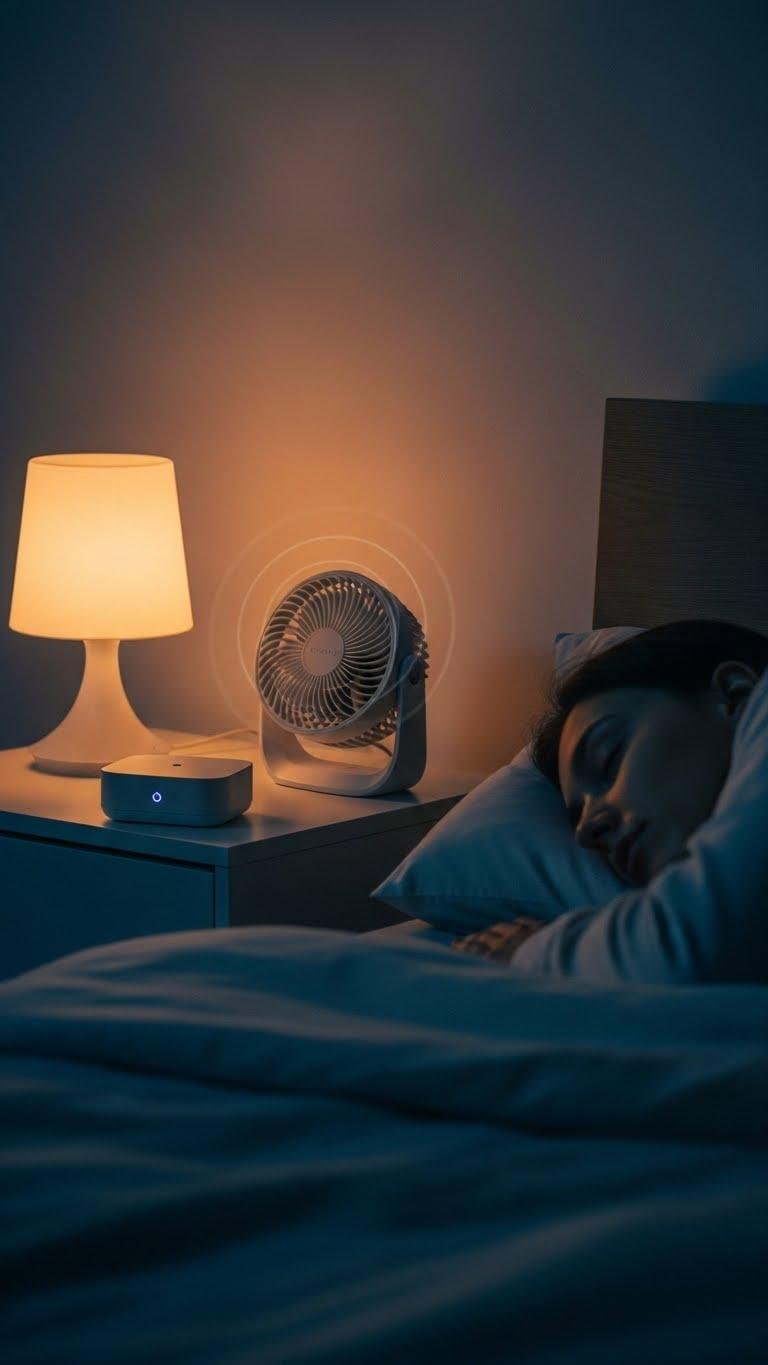
If traffic or neighbors wake you, adding a white noise machine or a quiet fan can mask sudden sounds and steady the room’s sonic profile. Place the device near your head but off the bed for ideal machine placement. Choose a fan noise profile that soothes without distracting. You’ll sleep freer, tune the volume, and reposition quickly to match changing ambient sounds.
Create a Cozy Reading Nook

After you’ve settled the room’s soundscape with a white noise machine or fan, carve out a small corner where light, comfort, and storage meet for reading. Choose a low-profile window seat with cushions, add a slender floor lamp for directed light, tuck a slim shelf or basket for books, and keep textiles neutral so you can relax, unwind, and escape into pages.
Use Blackout Curtains or Shades

Block out light and sound with blackout curtains or shades to make your bedroom a true sanctuary for sleep and rest. Choose floor-to-ceiling panels with thermal liners to cut noise and regulate temperature. Mount tight to the frame for full coverage, and keep a simple blackout maintenance routine: vacuum folds, spot-clean liners, and check hems. You’ll sleep deeper and wake free.
Include Gentle Ambient Lighting
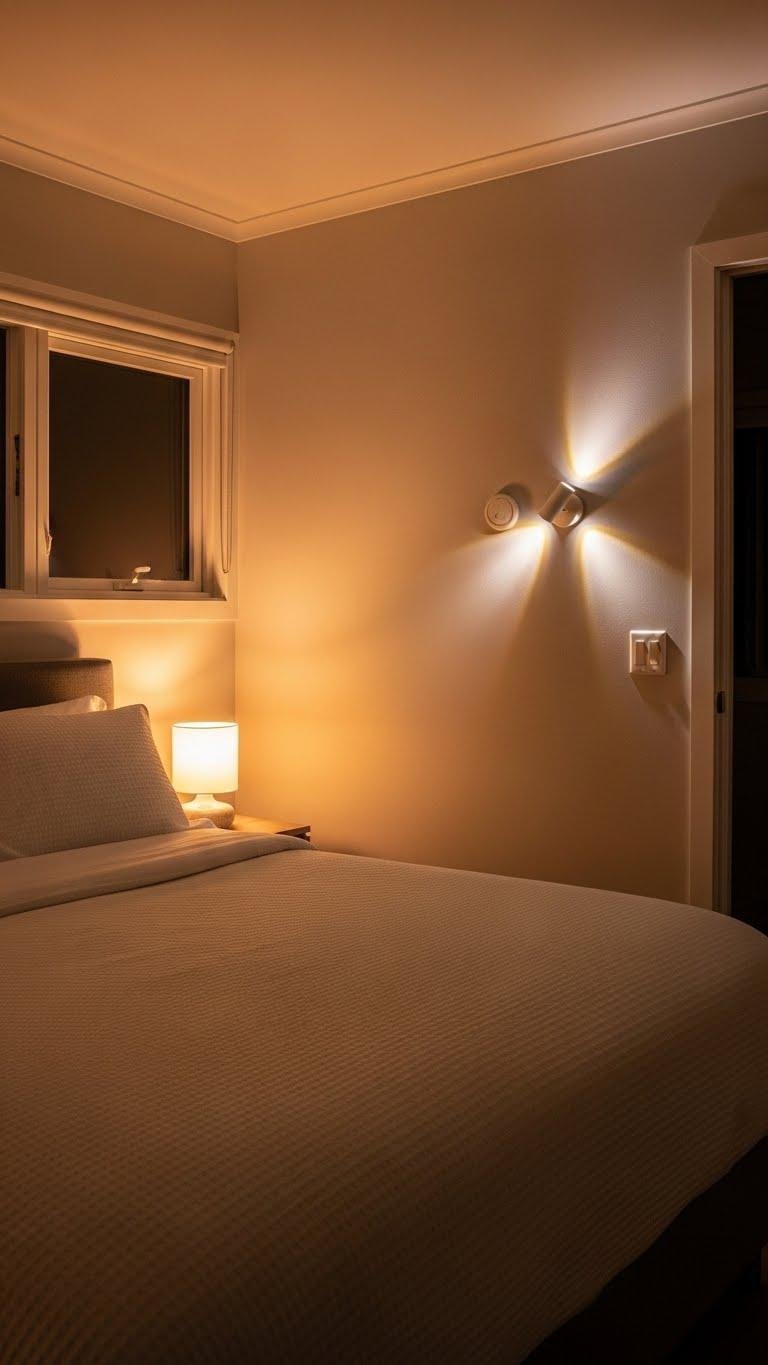
With your windows sealed against glare and noise, layer in gentle ambient lighting to shape a calm, inviting atmosphere. Place soft bedside lamps with warm bulbs for reading and winding down, and add indirect wall washers to wash texture and depth across surfaces.
Dimmer switches let you control intensity, creating a flexible sanctuary that supports rest and freedom without fuss or visual clutter.
Display Familiar Comfort Items
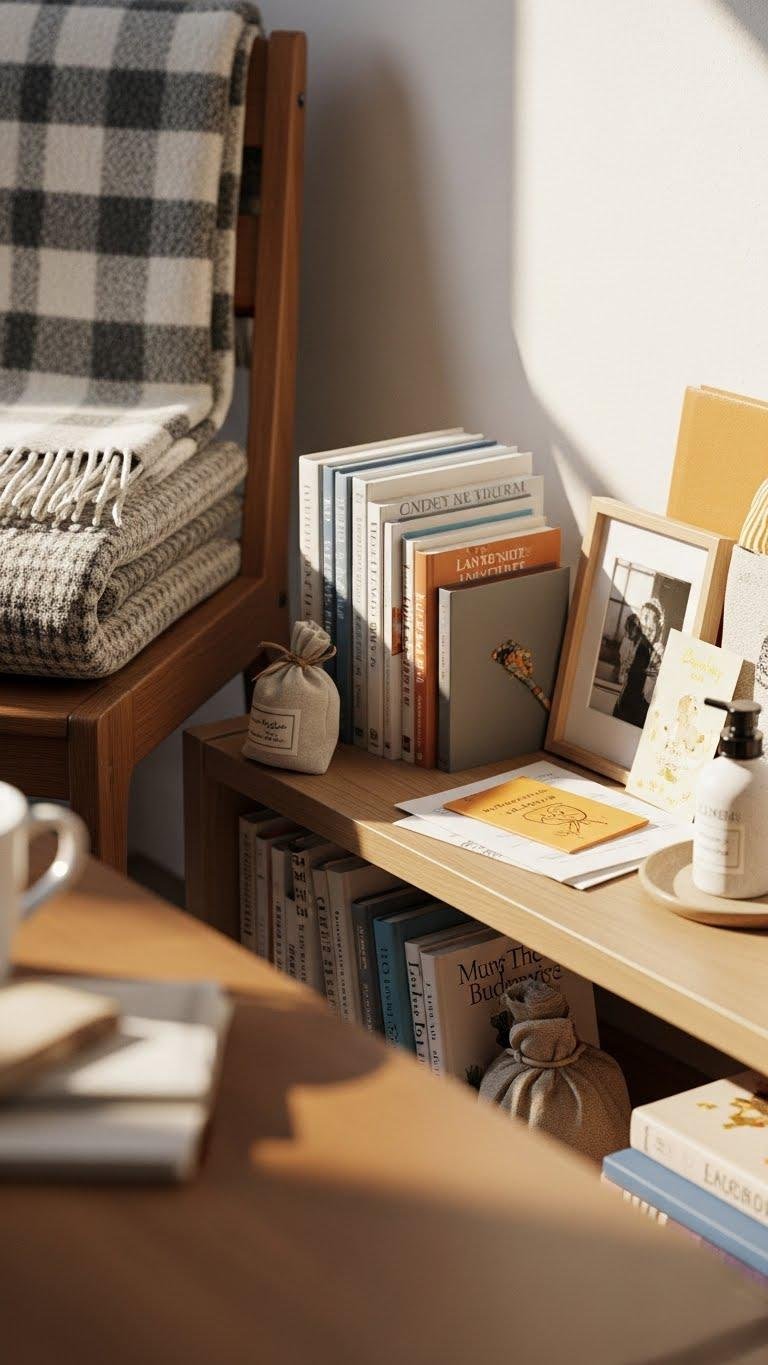
Often you’ll feel calmer when you surround yourself with a few well-chosen, familiar items—think a folded blanket on a chair, a stack of favorite books, or a framed photo on a low shelf.
Place childhood keepsakes where you see them, rotate small collections, and keep surfaces uncluttered.
Add familiar scents subtly—linen spray or a scented sachet—to anchor comfort without overpowering the room.
Choose Pastel and Muted Accents
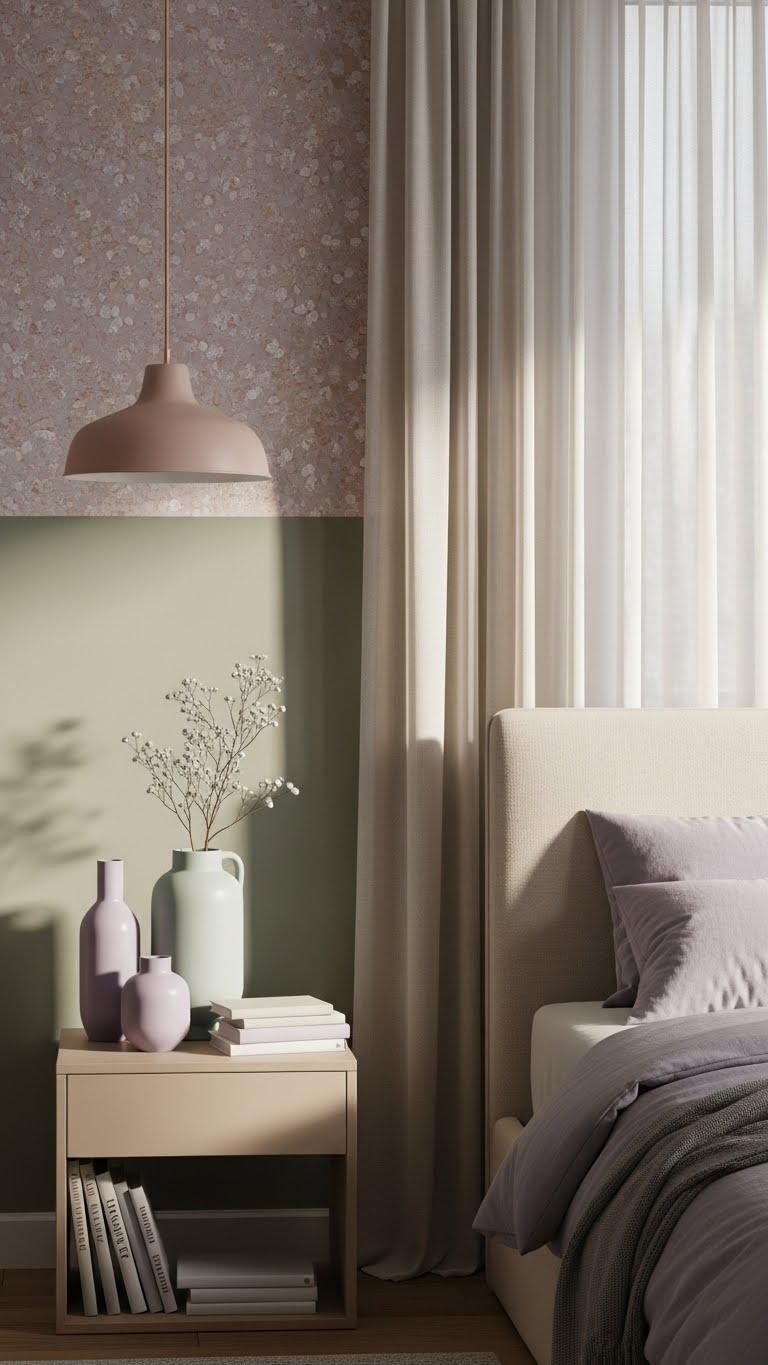
Although you might think bright colors energize a room, muted pastels actually help you relax by softening contrasts and guiding the eye. Choose muted wallpaper for a calm backdrop, add pastel ceramics on a nightstand, and pick linens in dusty hues. You’ll create a spacious, unforced vibe that lets you breathe, move freely, and slip into sleep without visual noise.
Use Lavender or Calming Scents
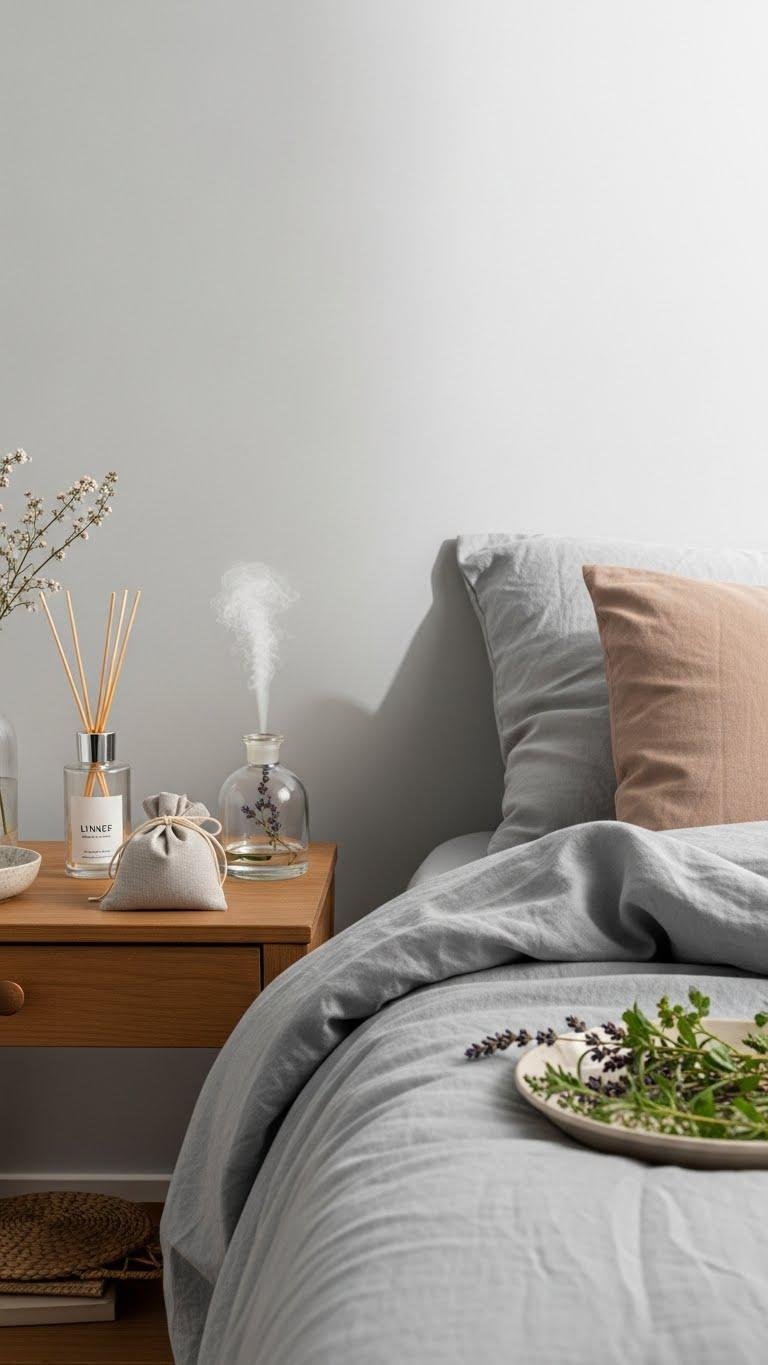
Muted colors calm the eye; scents calm the nervous system. Use lavender sachets, a small diffuser, or linen spray to create calm without clutter. You’ll prefer simple scent layering—light floral over herbal base—so aroma stays subtle. Control scent diffusion with timer settings or a single reed; pick products that let you adjust strength, keeping the room free, clear, and restful.
Keep Screens Out of the Bedroom
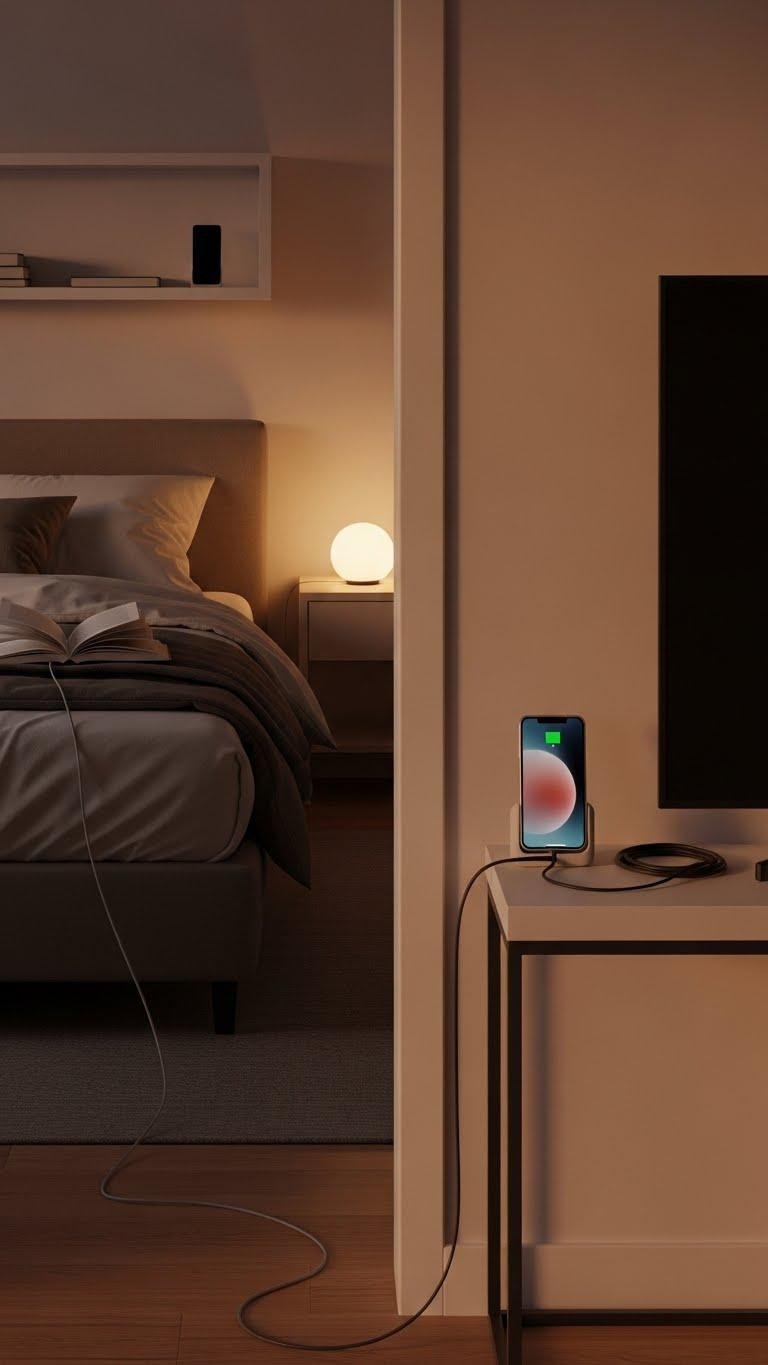
Try to leave phones, tablets, and TVs out of your bedroom to preserve its calm and sleep-ready function. You’ll create a cleaner sightline and clearer mind when you commit to a digital detox.
Design simple screen free rituals—charging station outside, bedside book, soft lamp—so your space feels freeing and intentional, encouraging deeper rest and wakeful mornings without tech pull.
Opt for Smooth, Rounded Furniture Edges
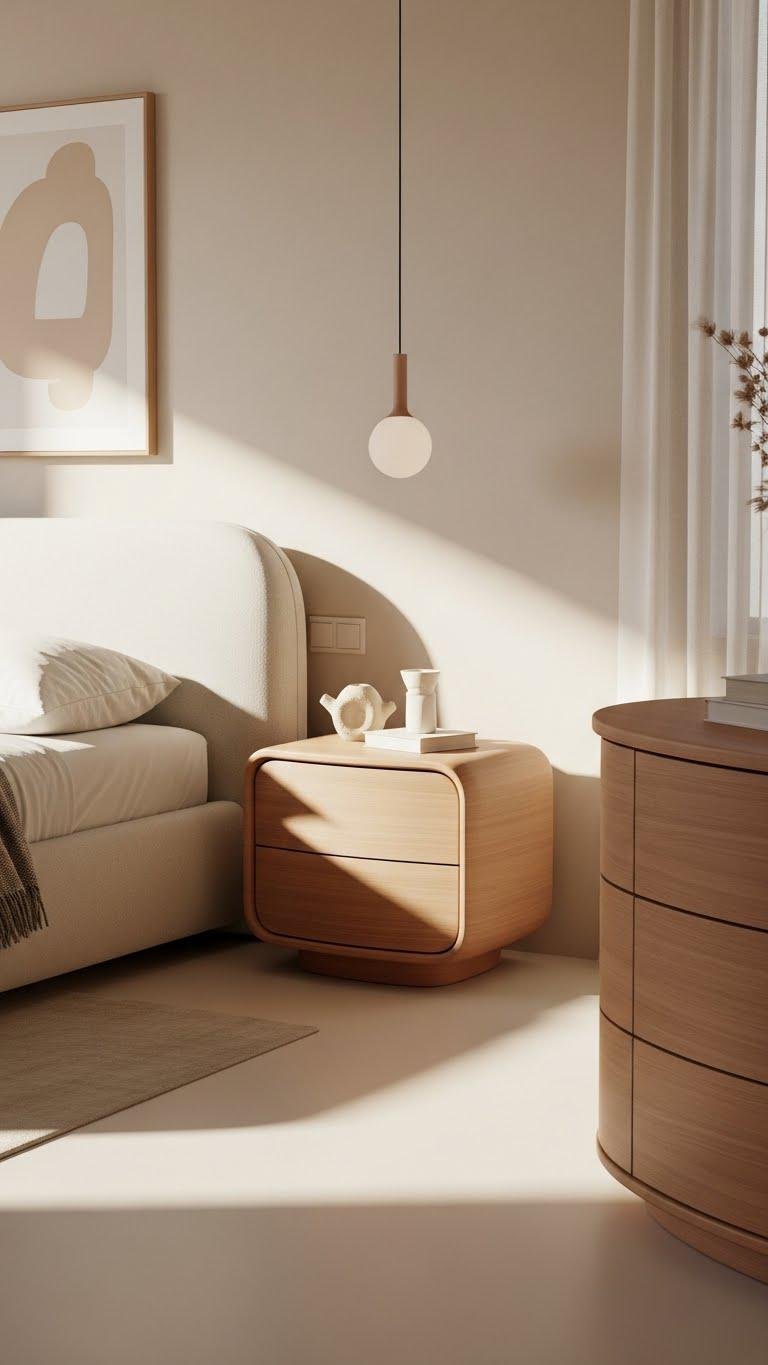
When you choose furniture with smooth, rounded edges, the room instantly feels softer and more inviting—no sharp corners to catch your eye or jolt the calm. Opt for rounded headboards and curved nightstands to create flow and easy movement. You’ll banish visual tension, promote relaxation, and keep the space open and free, so sleep comes without cluttered lines or harsh angles.
Maintain Cool, Well‑Ventilated Air
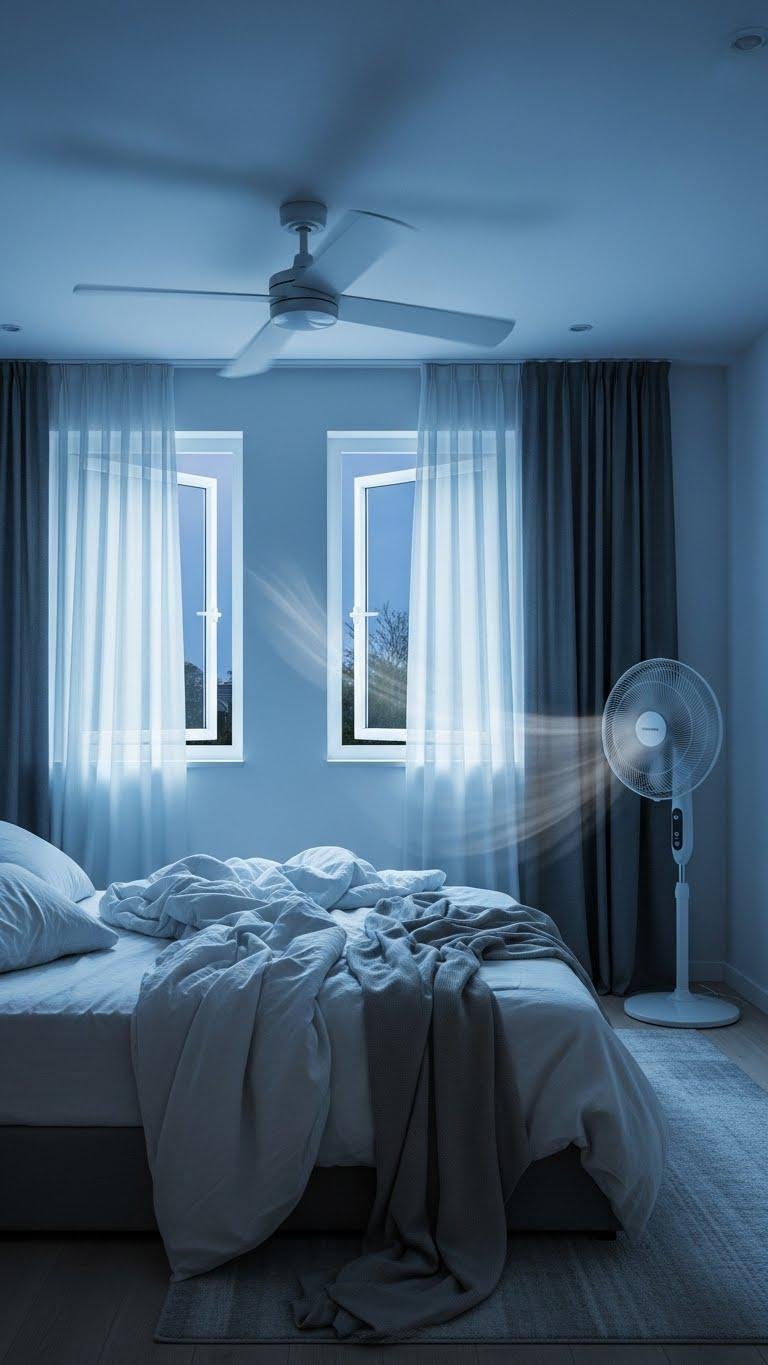
Keep air cool and moving to help the room feel fresh and sleep-ready: open windows for cross-ventilation, position a ceiling fan or oscillating fan to create gentle airflow, and choose breathable bedding like cotton or linen to prevent trapped heat.
You’ll control bedroom airflow by balancing window openings, adjusting ceiling fan placement for downward or circulating breeze, and keeping vents clear for unrestricted, liberating sleep.
Layer Rugs for Warmth and Acoustics

If you want a bedroom that feels both cozy and quiet, layer rugs to add warmth underfoot and absorb sound without cluttering the floor.
Mix textured area rugs with slim layered runners along the bed for visual flow and freedom to rearrange. Add strips of acoustic felt beneath high-traffic zones to mute footsteps and create a calm, sheltering floor that supports restful sleep.
Add Intelligent LED Panels for Soft Transitions
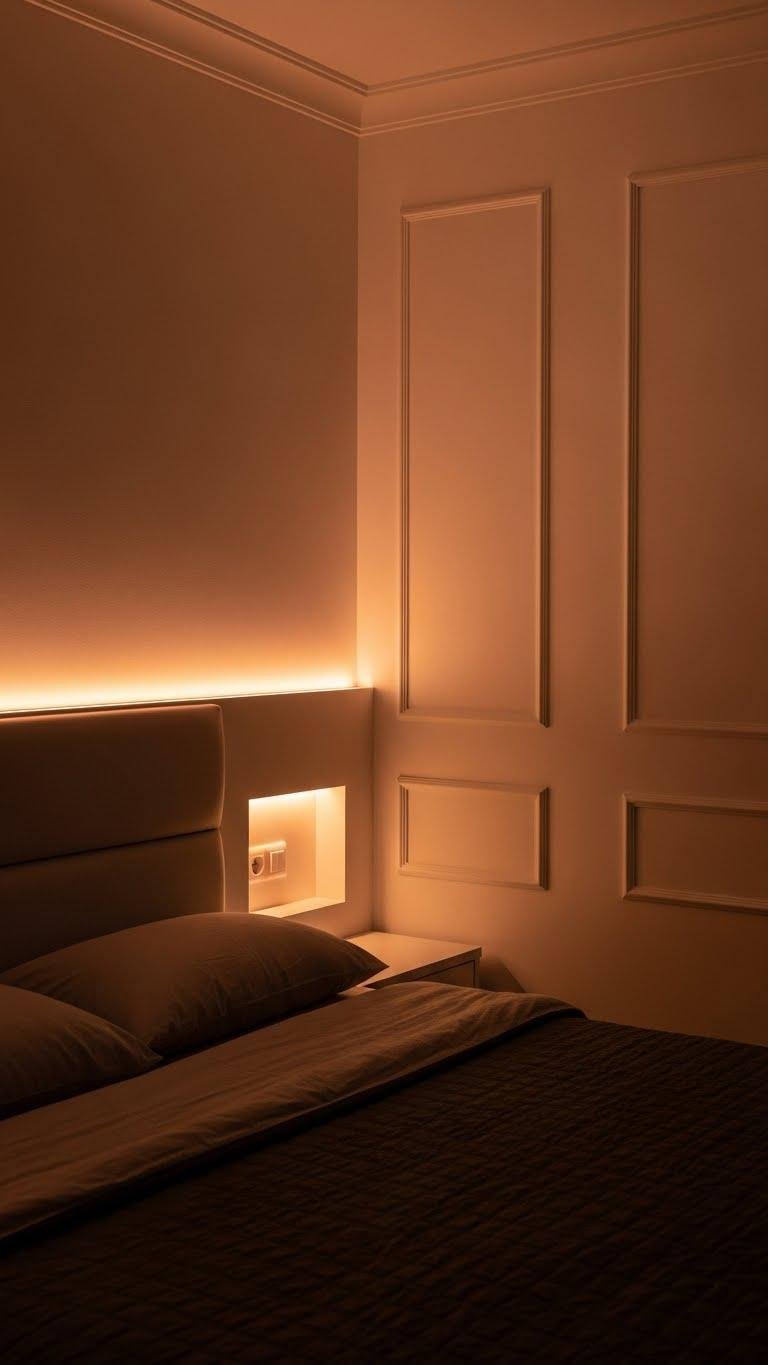
Bring in intelligent LED panels to ease the shift between wakefulness and sleep—install them behind headboards, along cove moldings, or recessed into a bedside shelf to create gentle, programmable progressions. You’ll control color changes to mimic dawn and dusk, aligning light with wake cycles.
Set low, warm hues for winding down and subtle morning ramps to nudge you awake without jarring interruptions.
Select Soothing Artwork and Prints
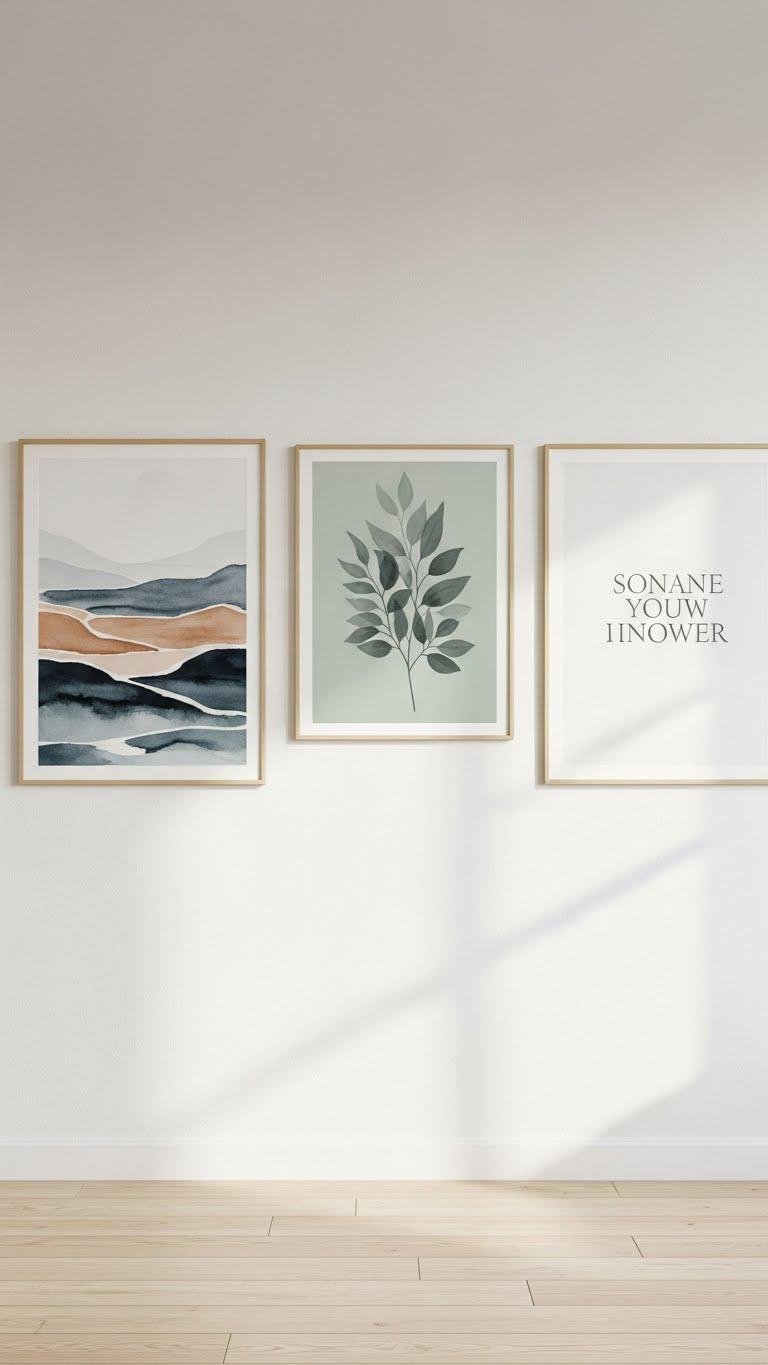
Choose artwork that calms the eye and anchors the room: muted palettes, simple compositions, and natural subjects like soft landscapes, abstract washes, or botanical studies work best. You’ll pick abstract landscapes and pieces with muted typography to keep visual noise low. Hang at eye level, limit frames to two or three, and leave negative space so each print breathes. Keep choices deliberate and freeing.
Incorporate Soft Throw Pillows and Blankets

Often a few well-chosen pillows and a draped blanket are all you need to soften the room and invite relaxation; pick pieces in muted tones and varied textures—linen, brushed cotton, subtle knit—to add depth without visual clutter. Layer pillows for texture contrast, keep shapes simple, and stash a lightweight throw for seasonal swaps. You’ll create a calm, flexible retreat.
Use Neutral Earth Tones for Balance

Earth tones anchor a bedroom by wrapping the space in warm, calming hues—think sand, clay, muted olive, and soft taupe—that work together to balance color and light. You’ll choose neutral textures for bedding and rugs to soothe sight and touch, then add purposeful earthy accents—wood frames, stoneware lamps, woven baskets—so the room feels grounded, uncluttered, and free.
Ensure Proper Pillow Support and Alignment

Start by matching pillow loft and firmness to each partner’s sleeping position so neck alignment stays neutral from shoulder to ear.
Choose pillows that cradle your head without tilting; test memory foam, latex, or down alternatives to find cervical support that feels freeing.
Layer a thin pillow for side sleepers’ shoulder gap, swap heights quickly, and keep alignment consistent night to night.
Integrate Quiet Storage Solutions

Often, you’ll want storage that stays out of sight and out of mind, so choose built-ins, under-bed drawers, and soft-close nightstands that keep clutter silent and surfaces calm.
You’ll appreciate hidden cubbies for linens and cables, smooth drawers with silent hinges, and minimalist baskets that free floor space.
Keep pathways clear so your bedroom feels open, uncluttered, and ready for rest.
Control Humidity and Air Purity
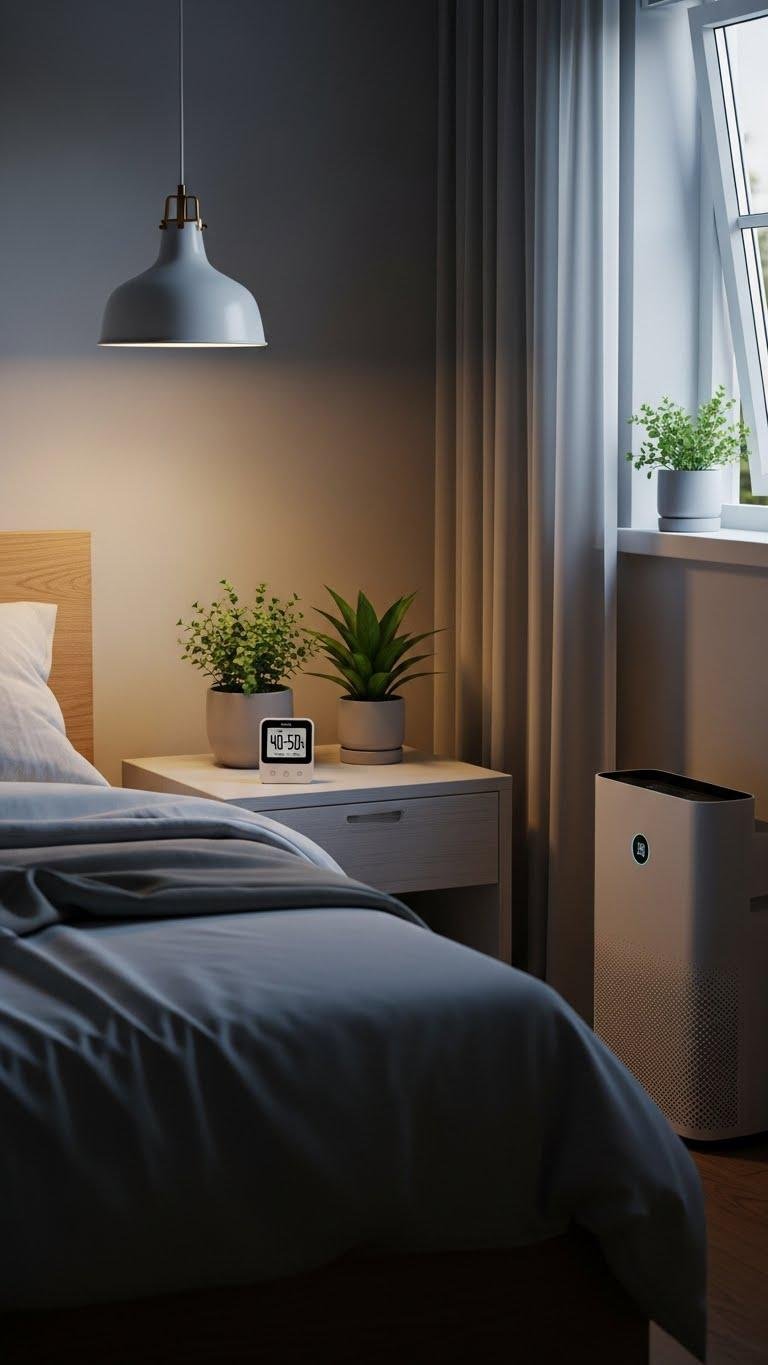
Hidden storage keeps surfaces calm, but clean air and balanced humidity keep the room feeling truly restful. You’ll add a humidity monitor near the bed, set targets (40–50%), and open a window briefly to reset air. Choose quiet air purifiers with HEPA filters, tuck them into corners, and arrange plants sparingly. You’ll sleep freer when air feels crisp, light, and stable.