
You’ll want a soft, neutral base and a single muted accent to keep things calm and cohesive. Choose matte paints, low‑profile wood furniture, and tactile linens to add warmth without clutter. Layer warm, dimmable light and simple storage so every item feels intentional. I’ll share 22 practical ideas—each small, considered, and easy to adopt—to help you shape tranquil, breathable rooms that actually work for daily life.
Soft Neutral Base for Walls and Large Surfaces
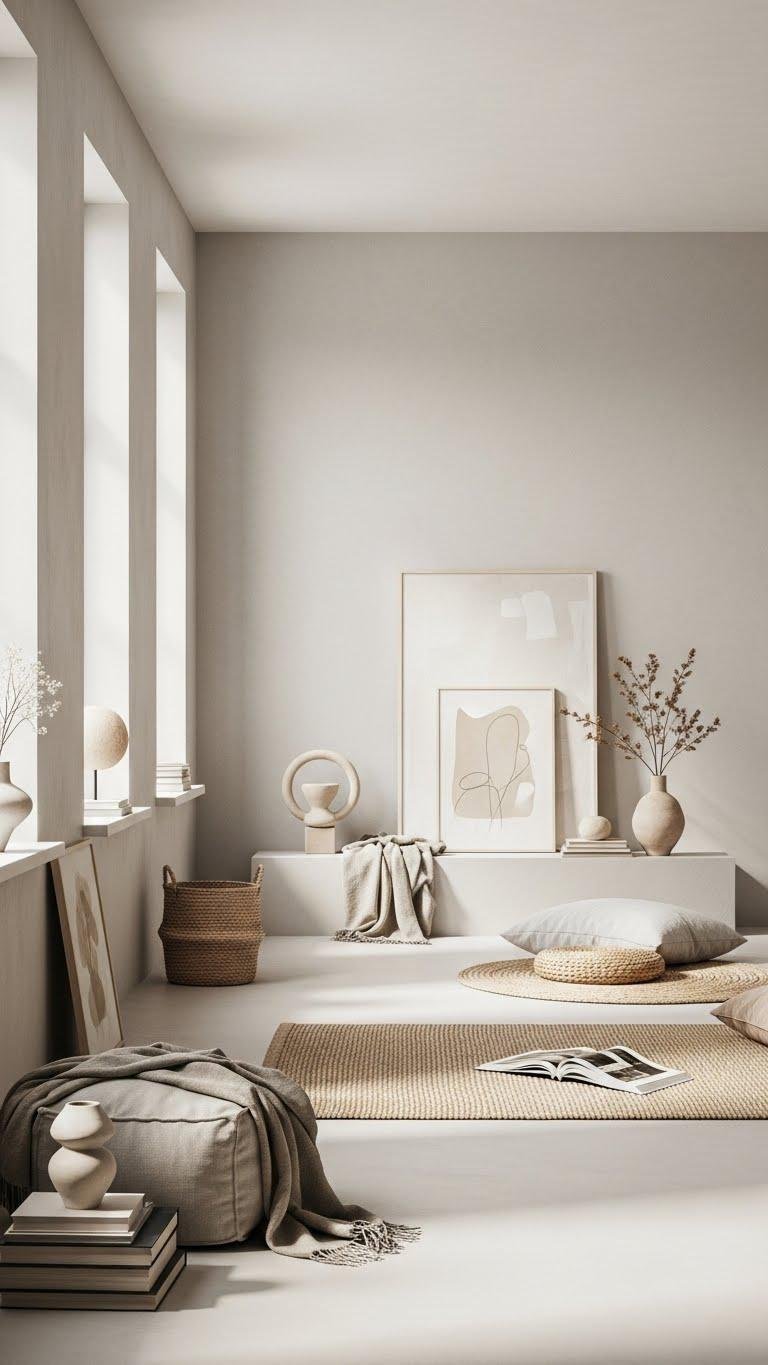
When you start with a soft neutral base on walls and large surfaces, you create a calm, flexible backdrop that makes everything else in the room read clearly.
You’ll choose soft plaster finishes and pale eucalyptus tones to keep mood airy and open. This lets you move freely, layer textures, and highlight curated pieces without clutter, keeping spaces serene and intentionally simple.
Single Subdued Accent Tone for Depth
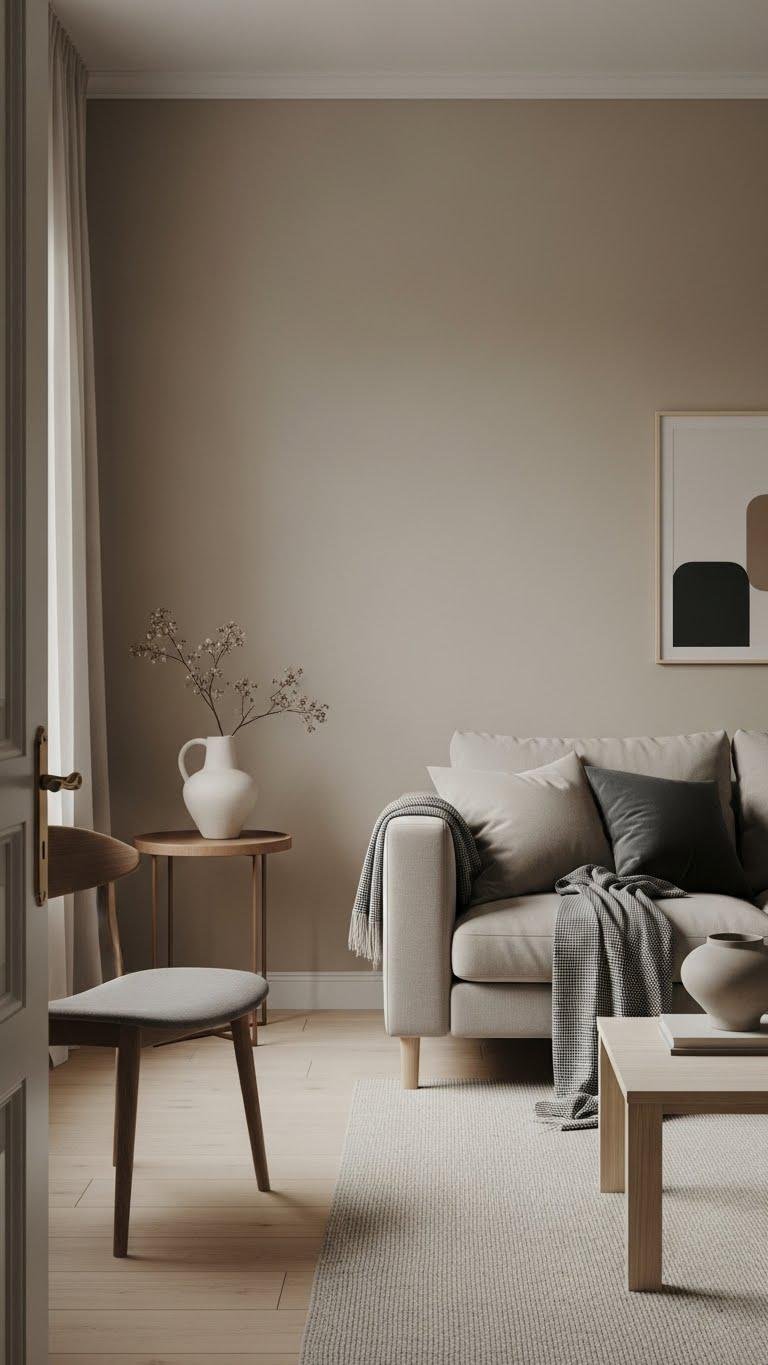
After anchoring the room with a soft neutral base, introduce one subdued accent tone to add depth without breaking the calm. Choose a muted sage, clay, or deep charcoal and repeat it sparingly in a monochrome textile, a single vase, or a low-profile rug.
Pair with tonal lighting to emphasize shape and shadow, letting the space feel intentional, spacious, and free.
Matte, Low-Glare Paint Finishes
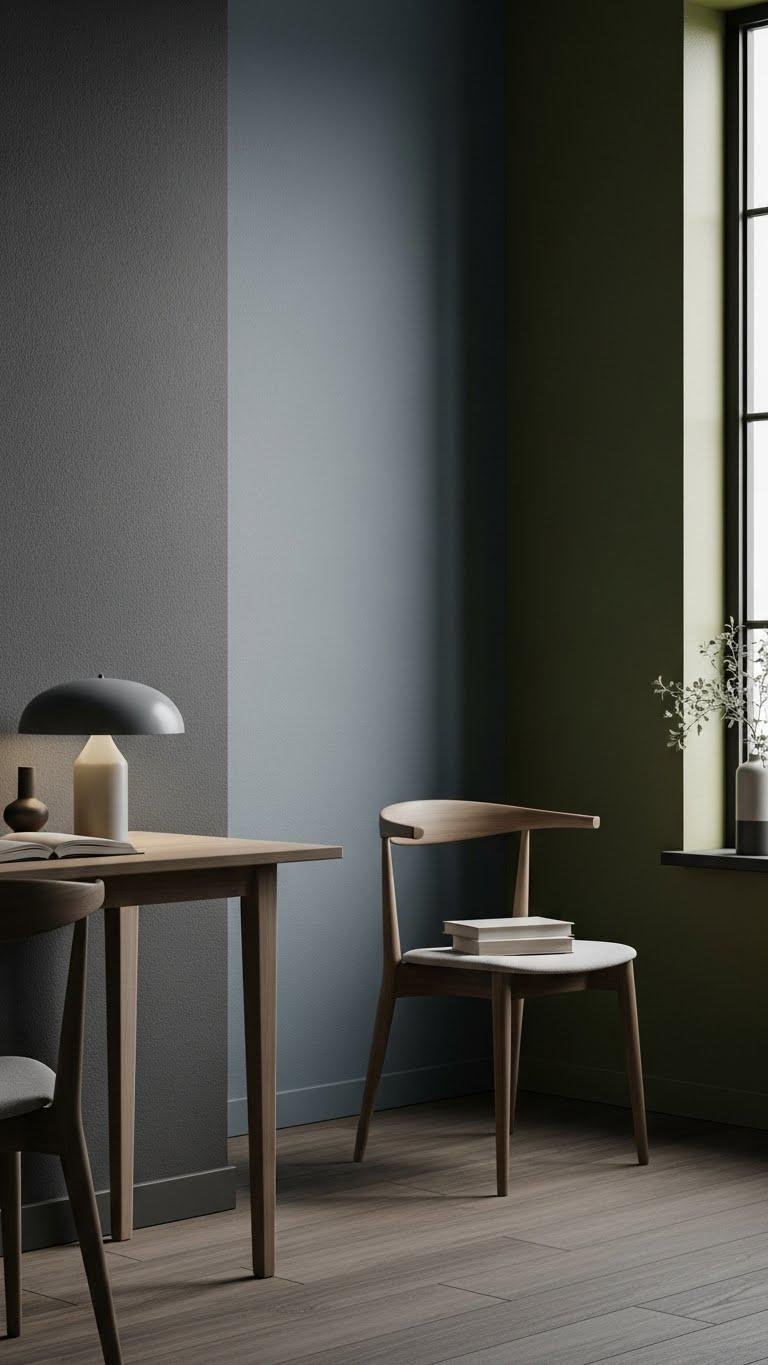
Because matte, low-glare paints absorb light instead of reflecting it, they keep walls feeling calm and visually quiet while minimizing distractions and surface imperfections.
You’ll choose matte vs eggshell based on sheen and durability; anti reflective pigments deepen color without shine. Microtexture finishes add subtle tactility, and low gloss maintenance means fewer touch-ups, simpler cleaning, and a liberated, uncluttered room vibe.
Natural Wood Furniture With Low Profiles
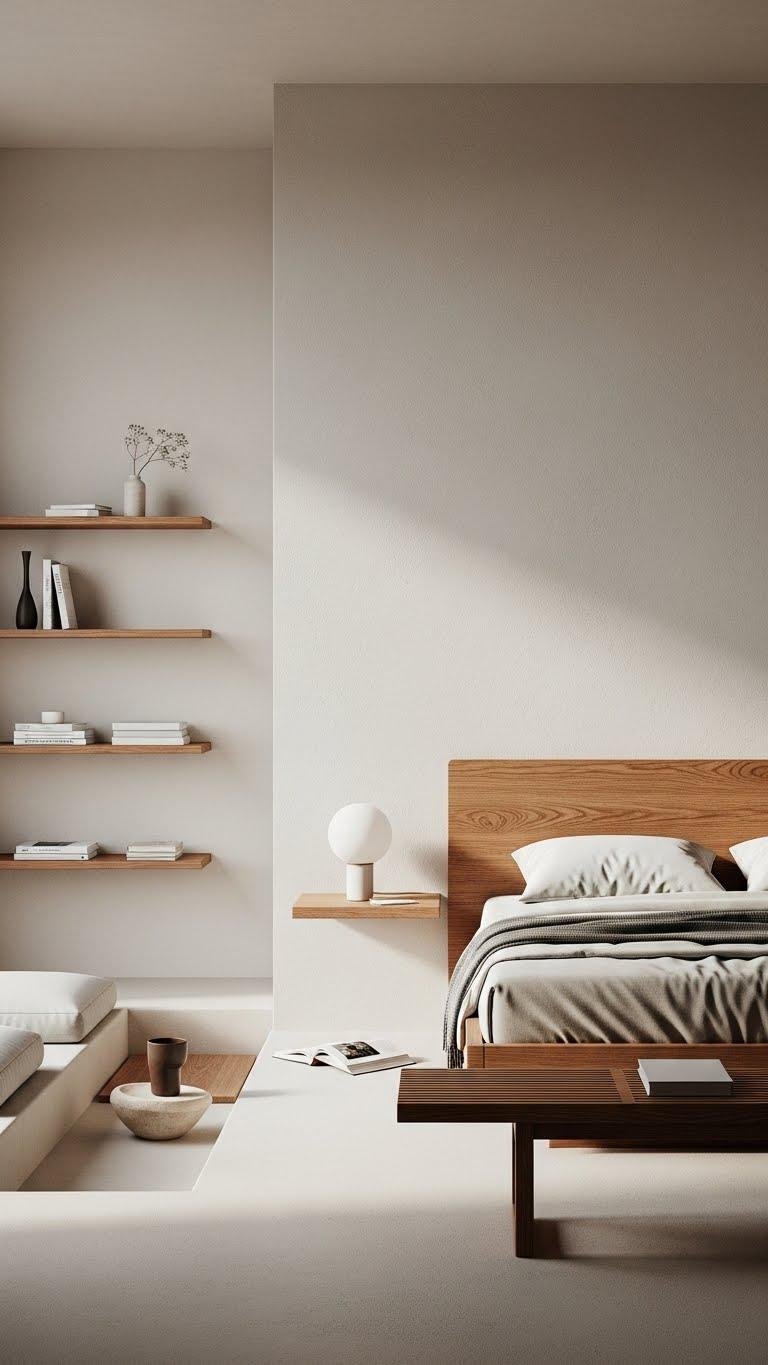
Pairing matte, low-glare walls with natural wood furniture keeps the room grounded and intentionally quiet; low-profile pieces reinforce that calm by staying close to the floor and letting texture, grain, and proportion do the talking. You’ll choose simple, sculpted forms—low beds, sunken seating, streamlined benches—and add floating shelves for storage without visual weight, so the space feels open and free.
Woven Rugs and Natural-Fiber Floor Coverings
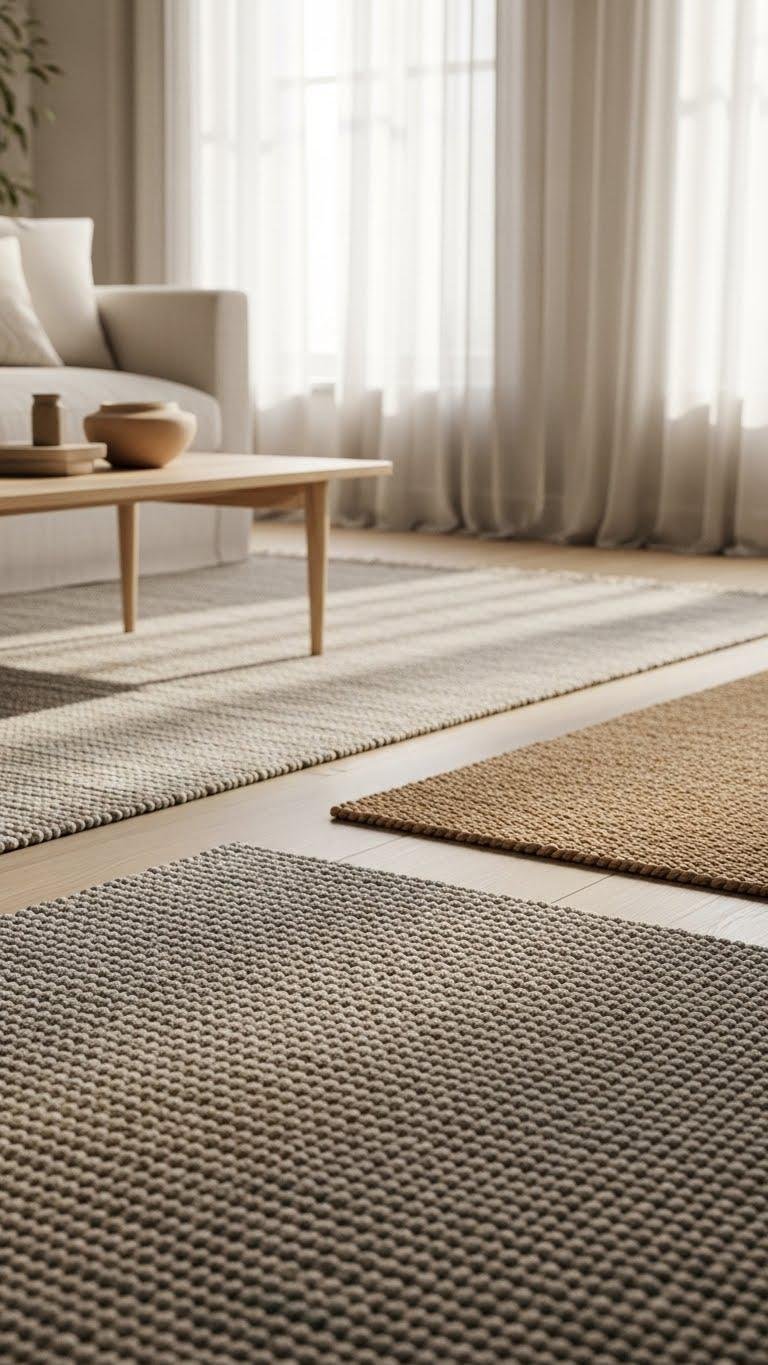
Woven rugs and natural-fiber floor coverings bring tactile warmth and quiet structure to a minimalist room, anchoring furniture without competing with your pared-back palette.
Choose simple jute patterns or low-contrast sisal for visual calm.
You’ll enjoy durable texture and easy placement; follow basic sisal maintenance—vacuuming and spot-drying—to keep them crisp.
These grounding pieces let your space breathe and move freely.
Linen Bedding and Tactile, Low-Pattern Textiles
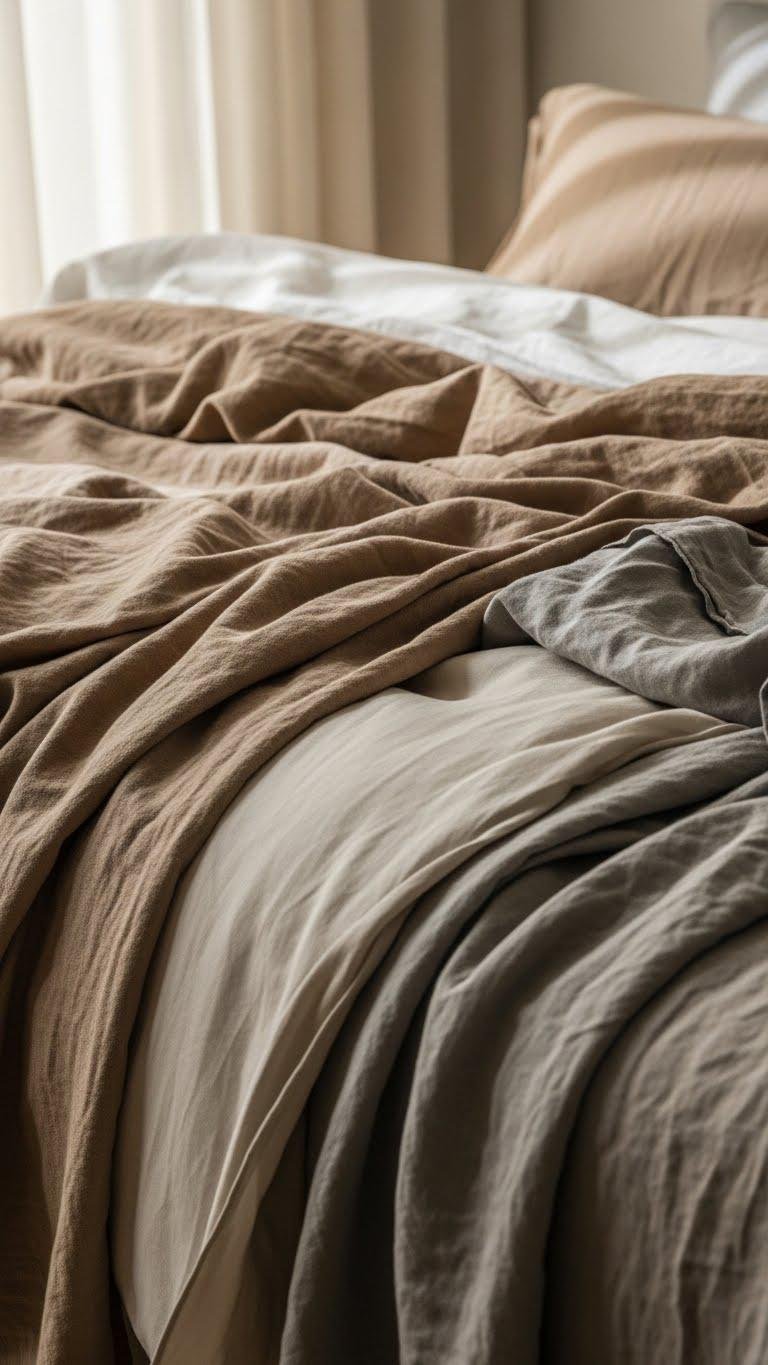
Linen bedding brings immediate, lived-in softness to a minimalist bedroom, offering breathable comfort and a relaxed drape that looks effortless.
You’ll choose muted tones and low-pattern textiles to keep visual calm while enjoying varied linen textures that age beautifully. Combine smooth cotton sheets and slubby linen throws for subtle tactile contrast, letting your bed feel inviting without cluttering the space.
Concealed Storage and Integrated Cabinetry
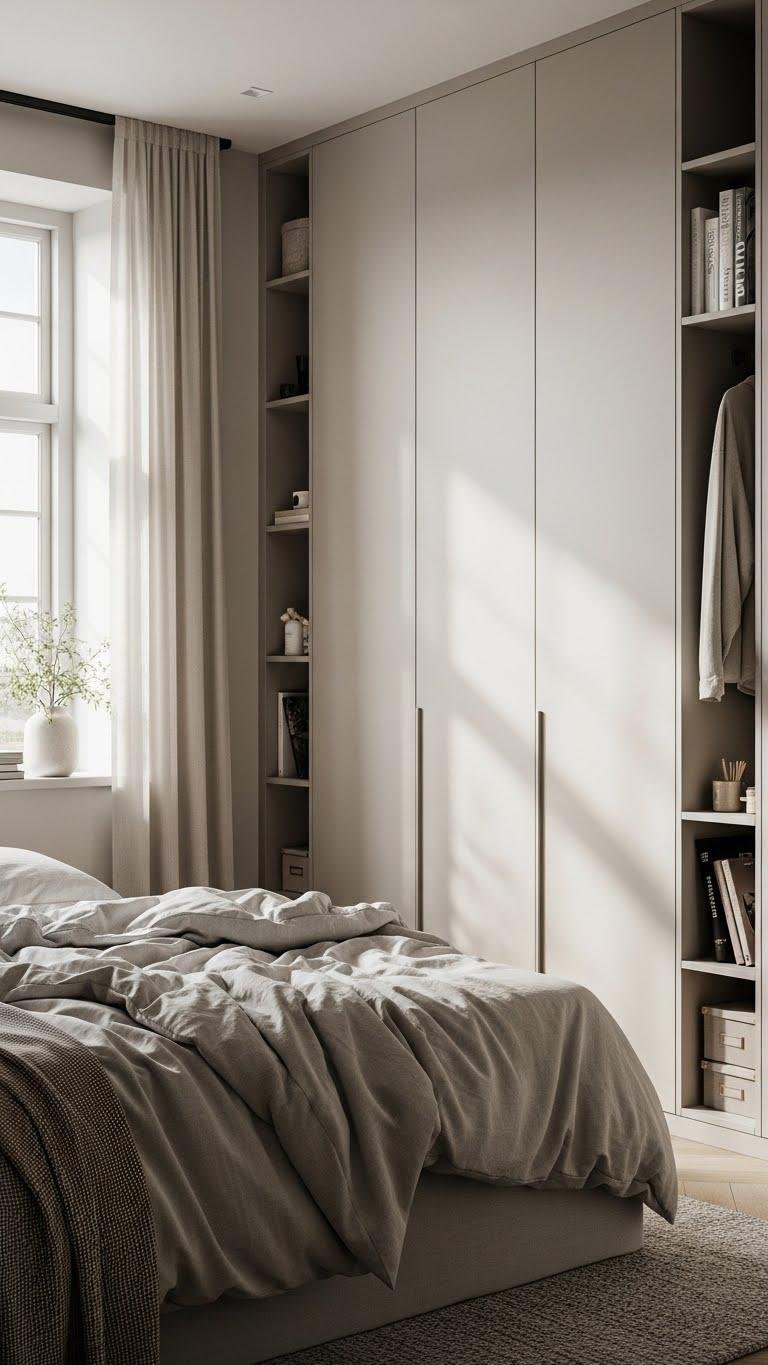
After you’ve layered soft linens for a calm, lived-in bed, keep surfaces just as quiet by hiding clutter where it belongs. You’ll feel freer with hidden cabinets and recessed shelving that blend into walls, preserving open sightlines.
Choose simple hardware, muted finishes, and tall integrated cabinetry to store daily items out of view, so your room stays serene and uncluttered without fuss.
Multifunctional Furniture Pieces
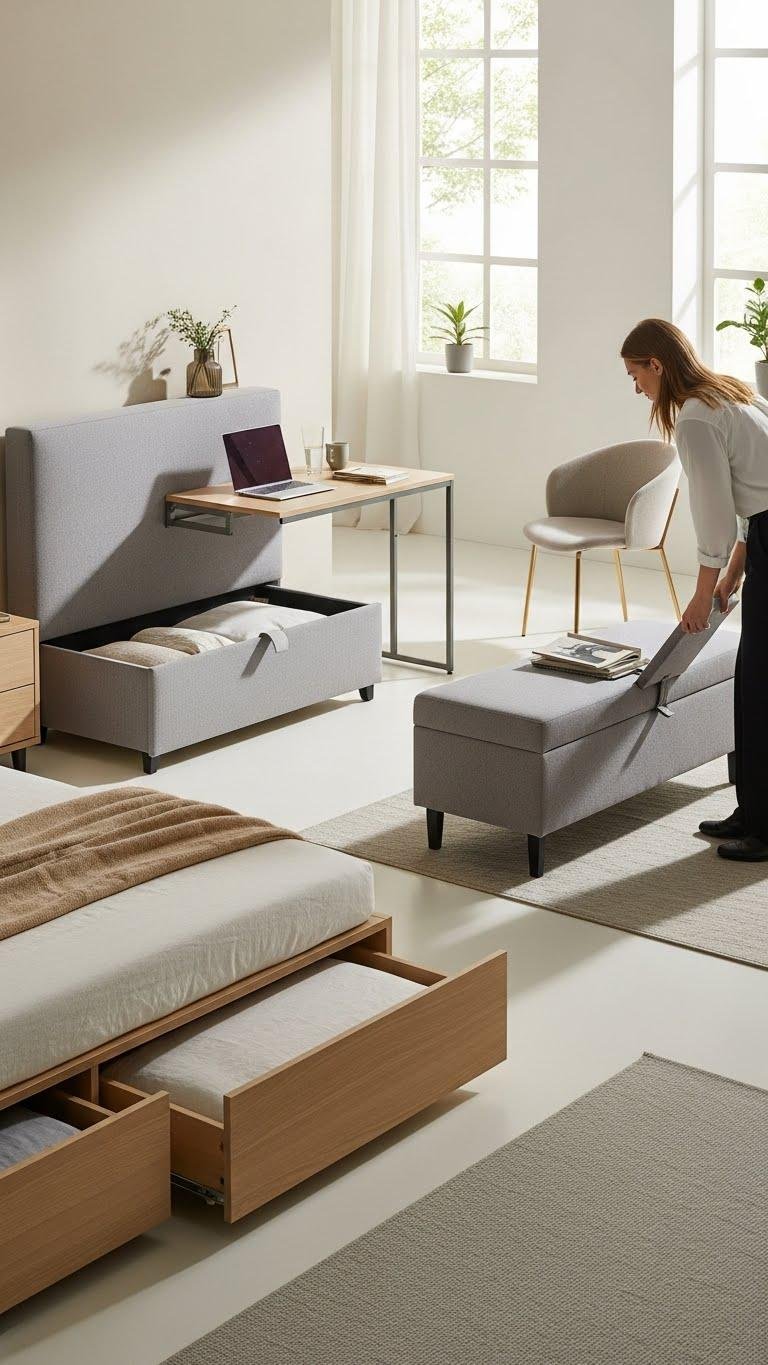
Make every piece work harder by choosing furniture that doubles up on function—think a bed with built-in drawers, a bench that hides extra bedding, or a side table that unfolds into a desk.
You’ll appreciate a transformable ottoman for storage and seating, and a compact fold out desk for focused work.
Choose clean lines and neutral tones so each item frees your space and mind.
Clear Circulation and Intentional Negative Space
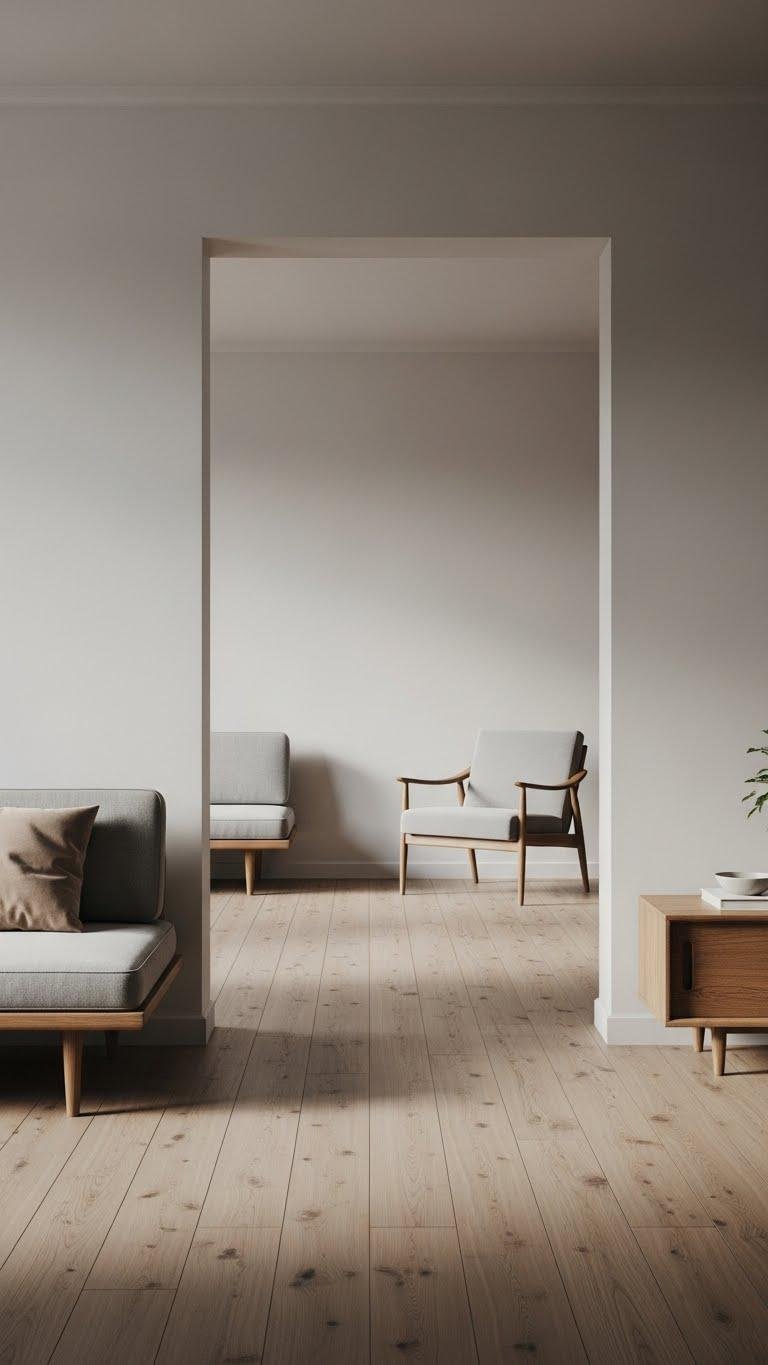
When you leave intentional gaps around furniture, you create clear paths that make a room feel larger and more purposeful.
You’ll shape pathways rhythm and allow spatial breathing, so movement feels effortless and calm. Keep furniture minimal, align pieces to invite flow, and resist filling every corner. Embrace empty zones as design choices that grant freedom, focus, and quiet clarity to the space.
Layered Warm Ambient Lighting
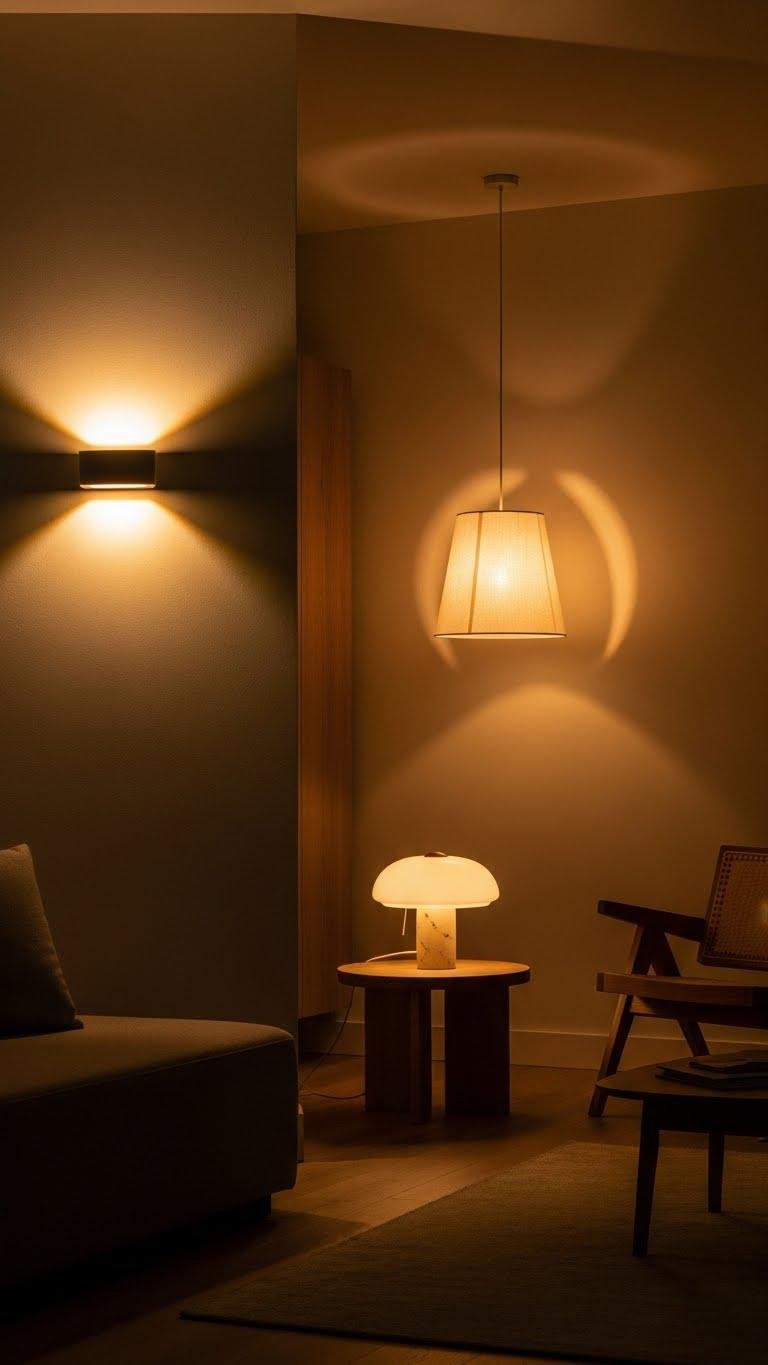
Often you’ll rely on layered warm ambient lighting to give a minimalist room its soul — soft, indirect light that defines zones without shouting for attention. You’ll mix low glow sconces, a central soft fixture and task lamps, then use layered dimmers to balance brightness.
This lets you change mood easily, keep surfaces calm, and move through the room with relaxed freedom.
One Sculptural Task or Bedside Lamp
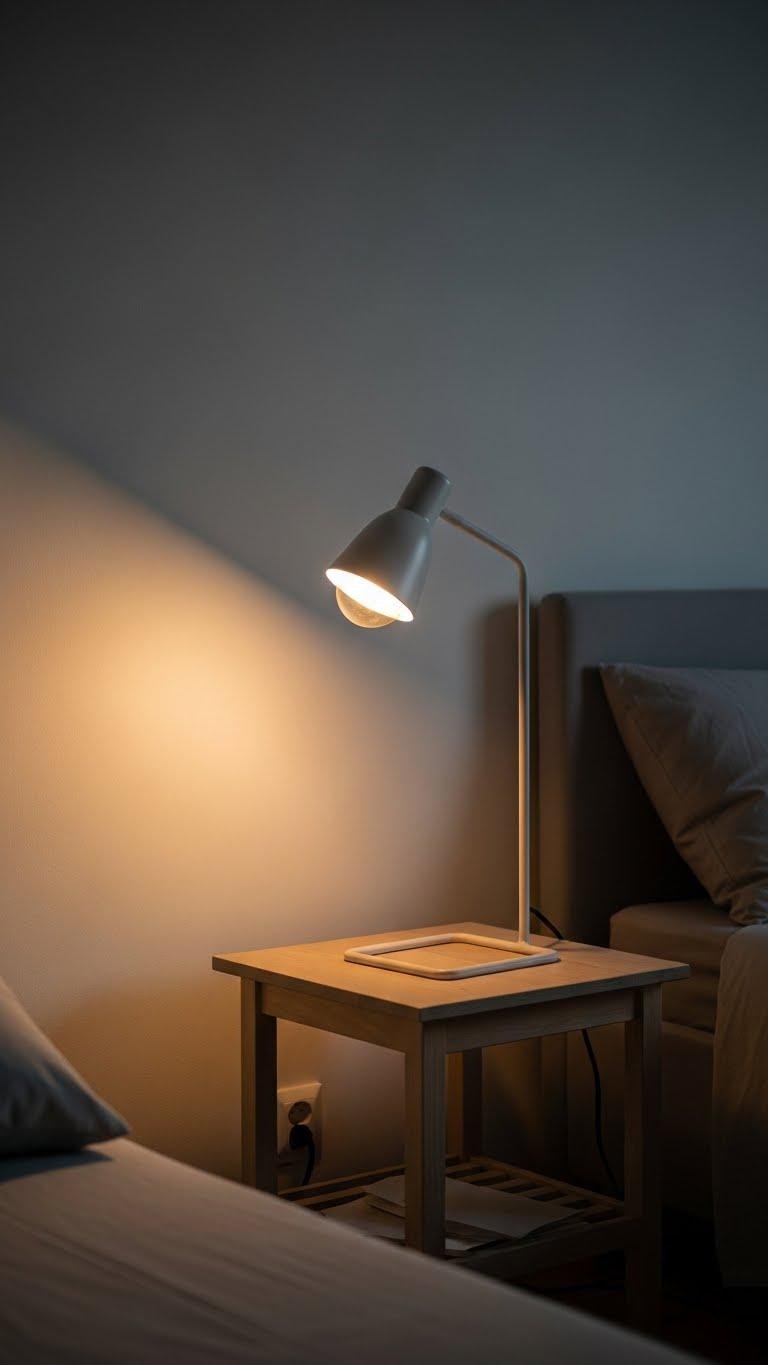
If you want a single lamp to anchor a nook, choose a sculptural task or bedside piece that balances form and function. Pick a sculptural lampstand with clean lines and a warm bulb to create focused light without clutter. Let a bedside silhouette lamp define the corner, offer task illumination, and reflect your pared-back taste while keeping the room calm and free.
Indoor Plants and Small Planters
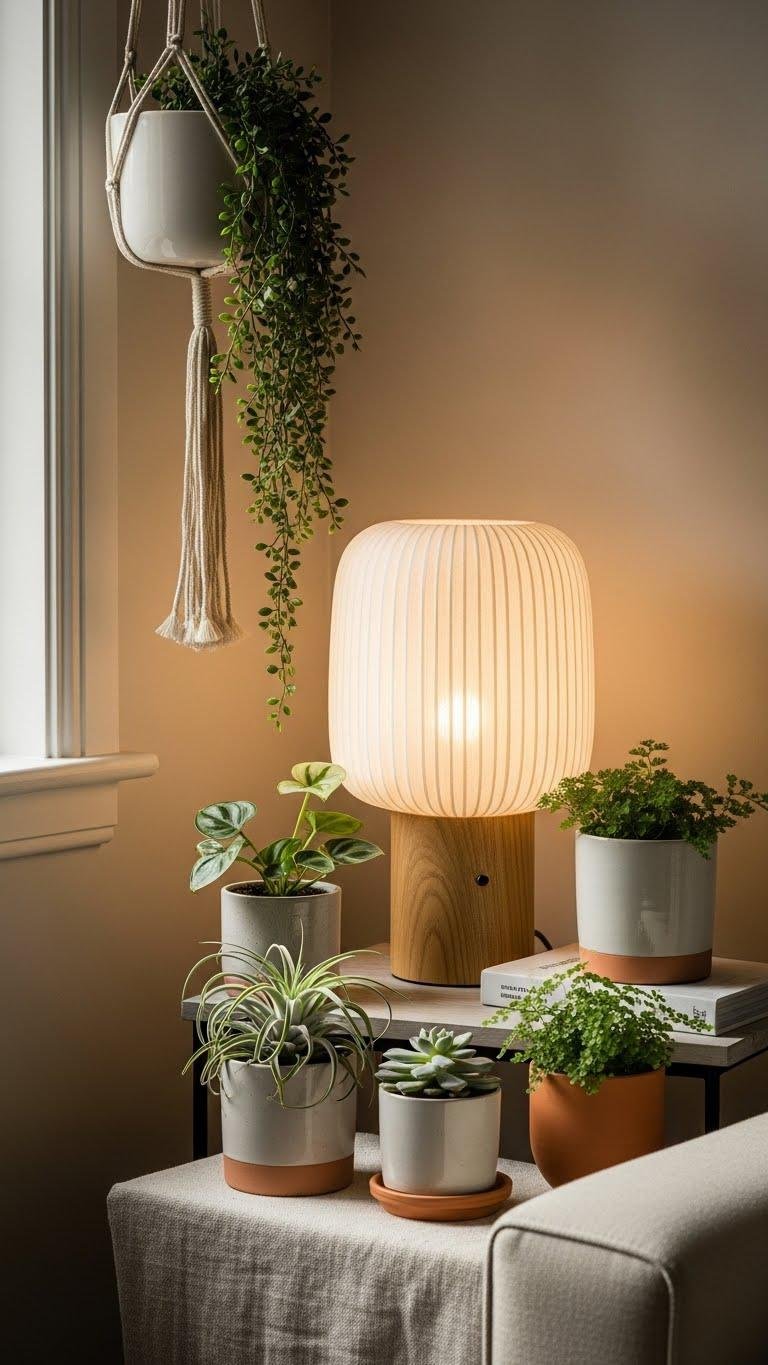
A sculptural lamp can anchor a nook, and a small plant will add the soft, living contrast that keeps the corner from feeling too austere. Choose air purifying choices and tabletop succulents for easy care, or suspend greenery with hanging macramé to free surfaces. Group miniature ferns in simple pots, and let each piece breathe so your space feels calm, open, and intentional.
Low-Shine Stone or Matte Surface Accents
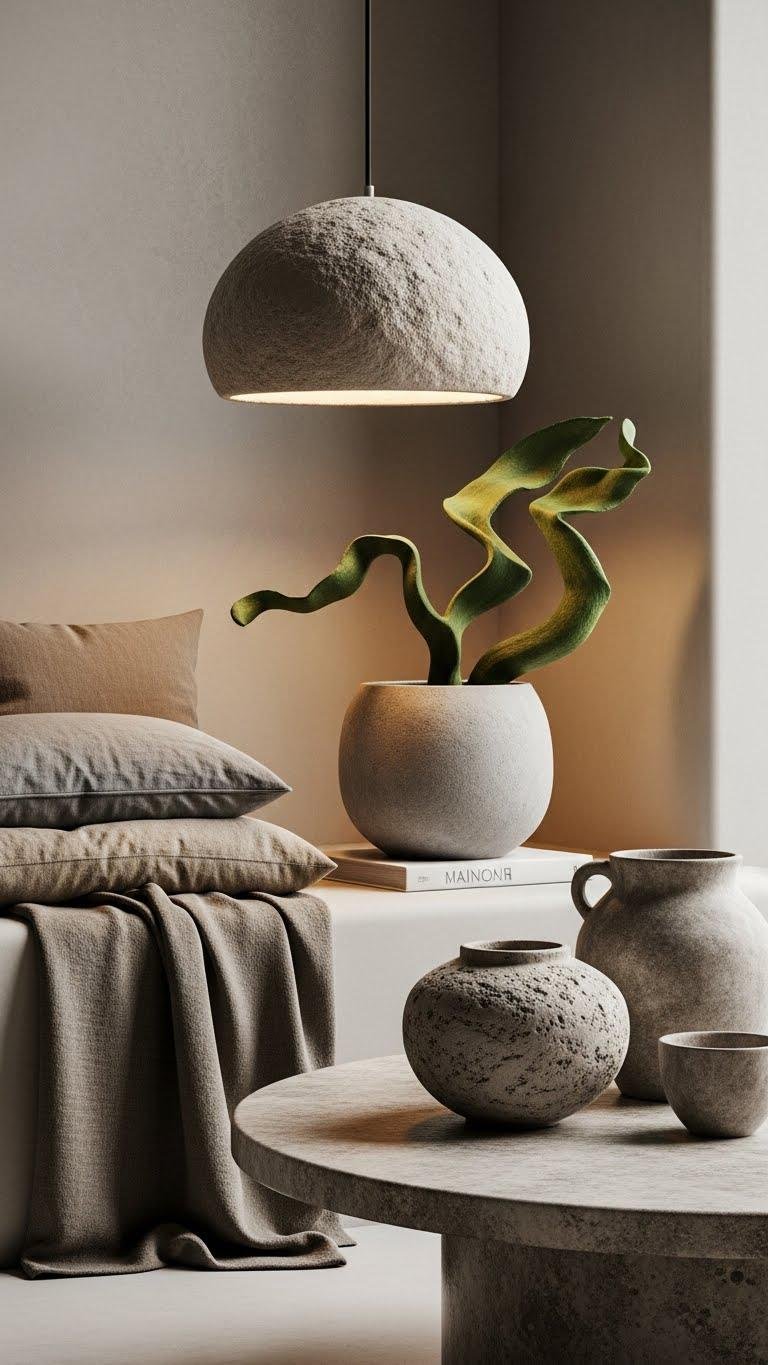
Drawing on tactile restraint, low-shine stone and matte-surfaced accents ground a room without calling attention to themselves, so you can layer texture and form without visual clutter.
You’ll choose stone inspired lighting for soft, diffused glow and pair matte ceramic planters with simple textiles. These pieces feel deliberate, quiet, and freeing, letting your space breathe while staying purposeful and calm.
Curated Vintage or Retro Statement Piece
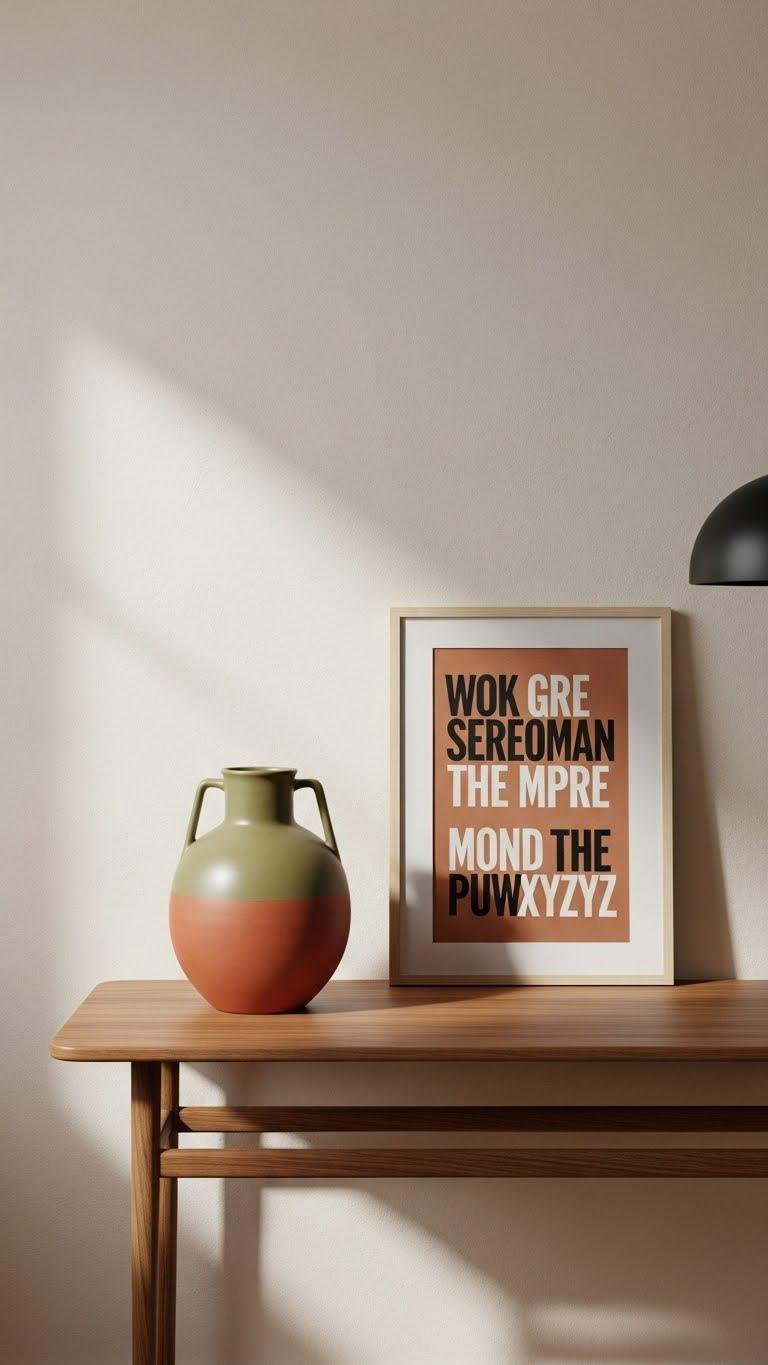
When you bring in a single curated vintage or retro statement piece, it anchors the room with history and personality without overwhelming the calm you’ve built.
Choose one item—mid century ceramics or framed vintage typography—to add character.
Let it breathe: avoid clutter, place it where light and sightlines highlight it, and enjoy the freedom that a mindful, solitary accent brings to your space.
Limited Tabletop Displays of 3–5 Items
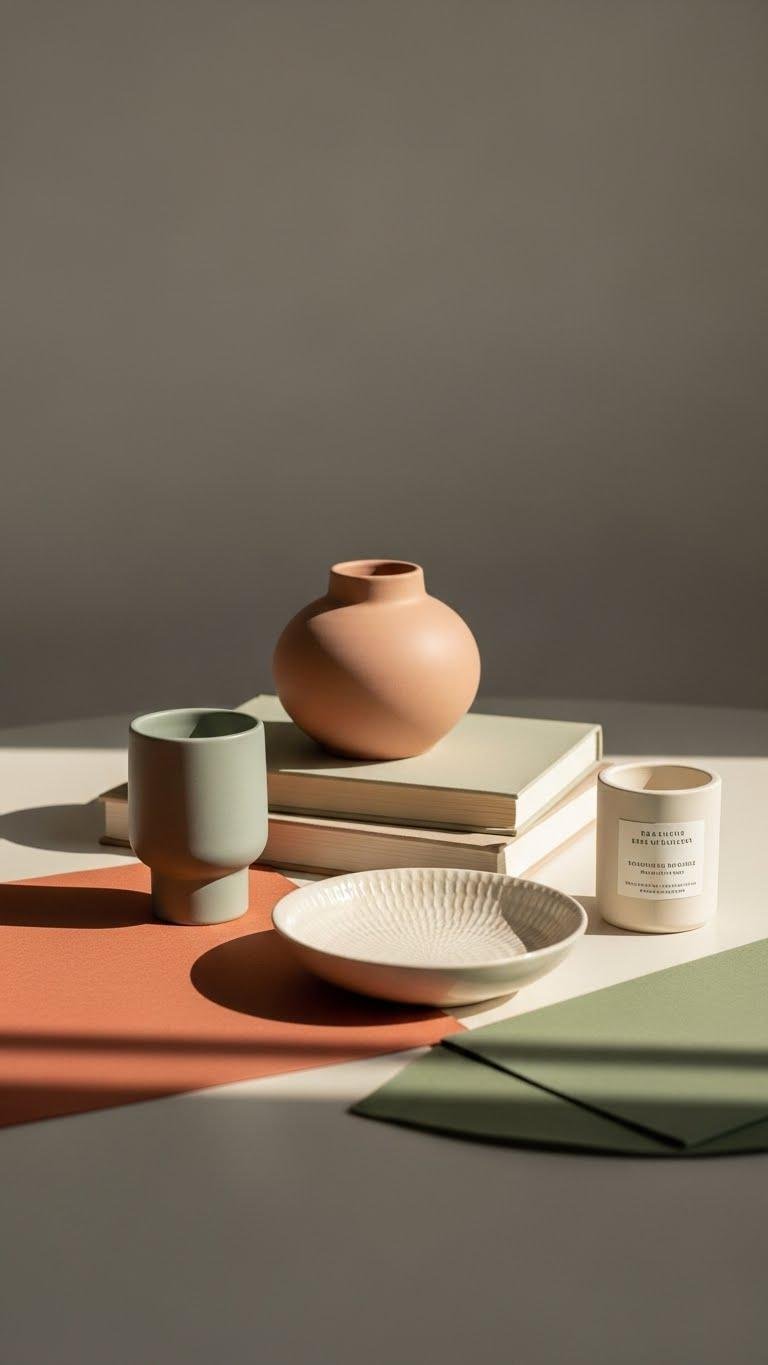
Think of a small, curated cluster as a mini still life that brings balance and interest without cluttering your surfaces.
Arrange 3–5 pieces to form a micro gallery: a low vase, a bowl, a book, and one scented ceramics object for warmth.
You’ll create rhythm, negative space, and intentional focus, so each item breathes and reinforces the calm, liberated feel you want.
Single Well-Placed Artwork or Small Cohesive Grouping
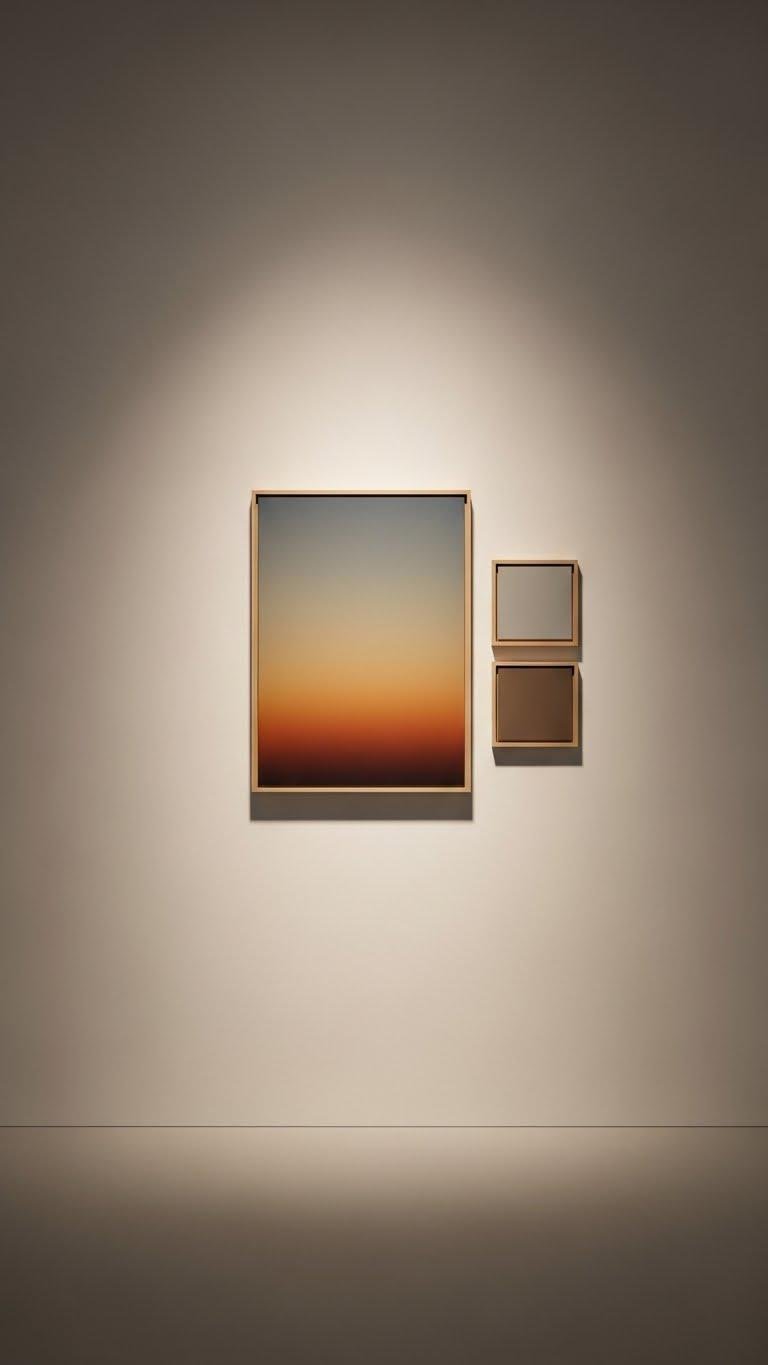
Although a single artwork can anchor a room, placing it with intention lets the space breathe and feel resolved. You’ll choose proportional framing and, if possible, subtle gallery lighting to emphasize scale without clutter. Center art at eye level, allow generous negative space, or opt for a small cohesive grouping with consistent tones. This keeps the room calm while honoring your freedom to edit.
Handcrafted Objects as Focal Accents
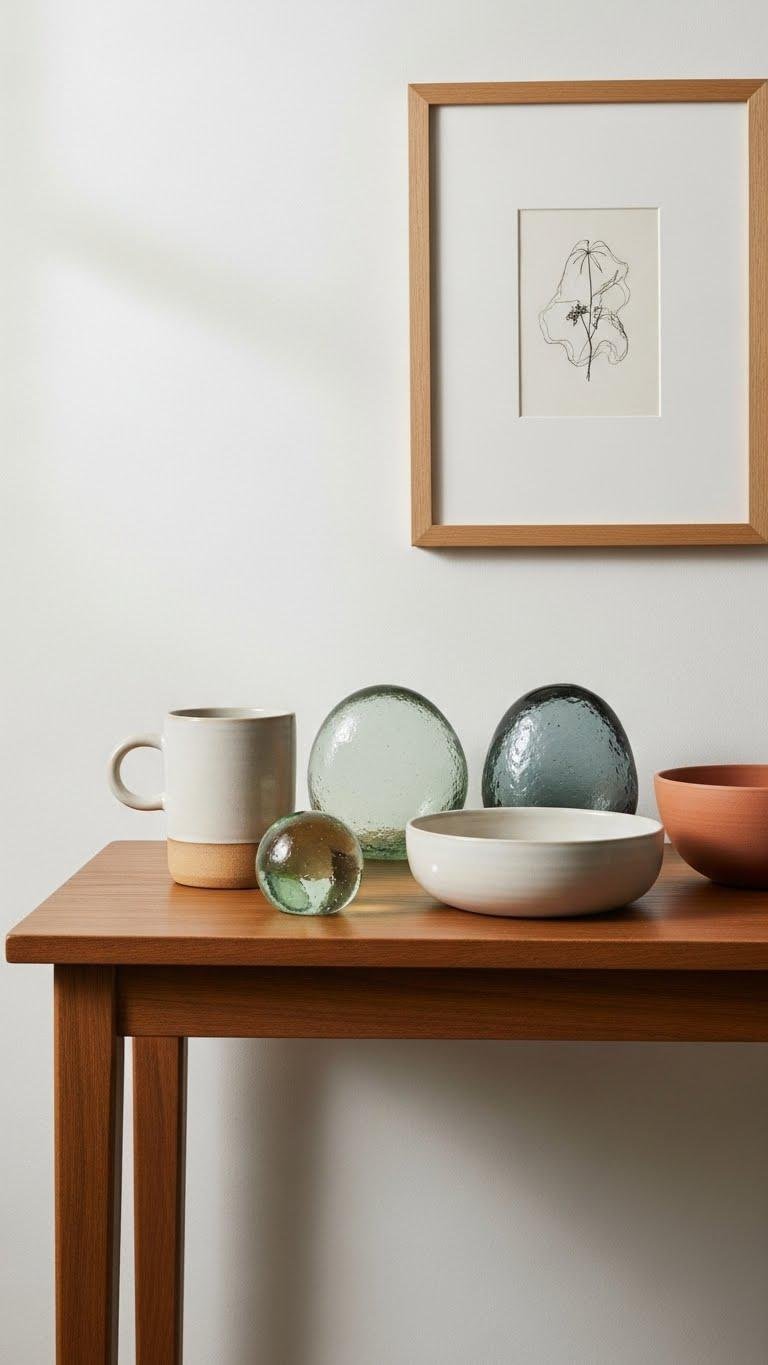
After you’ve let a single artwork or small grouping breathe on the wall, bring that same restraint to the surfaces with handcrafted objects as focal accents.
You’ll choose a handbuilt ceramic cup or bowl and a couple of pressed paperweights, each chosen for purpose and calm.
Place them sparingly, letting negative space highlight shape and texture so your room feels open and intentional.
Rounded Shapes and Soft Contrasts
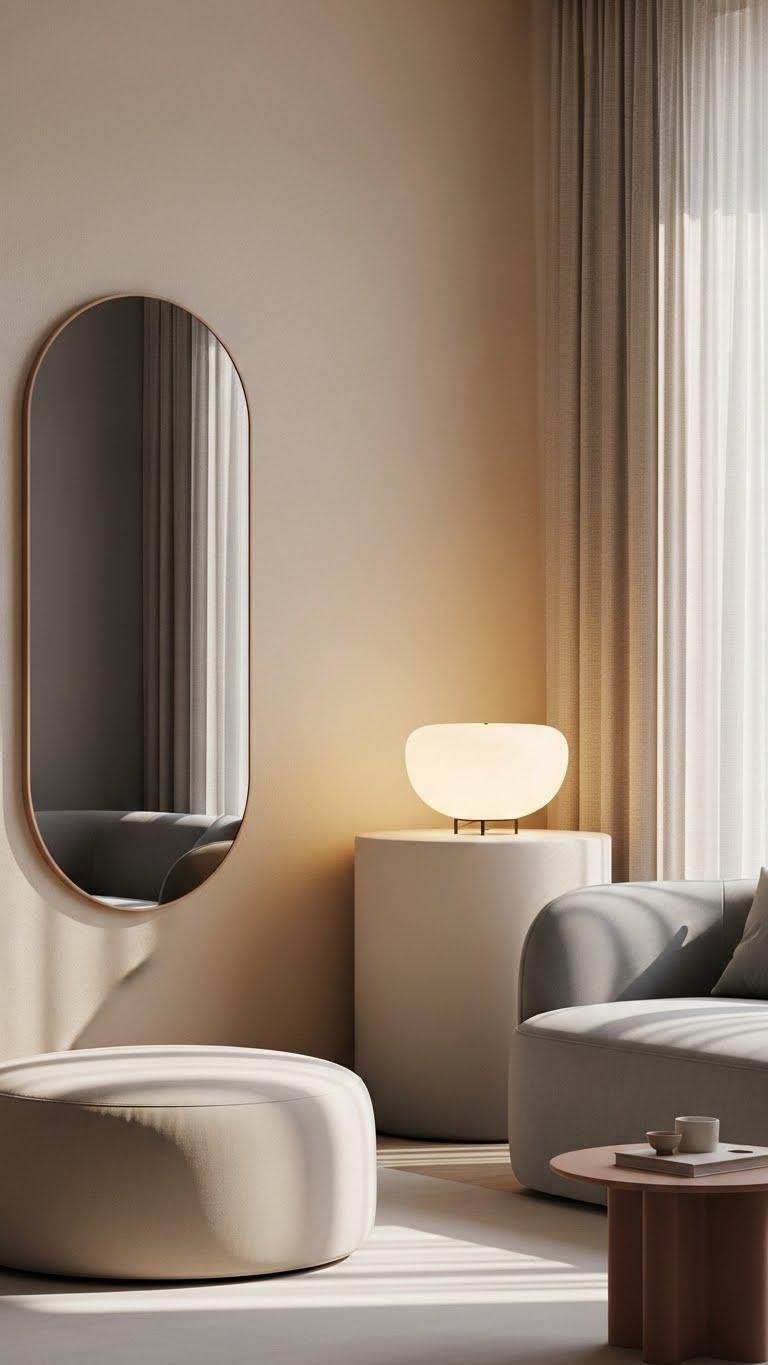
When you pair rounded shapes with soft contrasts, the room instantly feels calmer and more inviting; curved silhouettes — a low pouf, an oval mirror, or a bowl-shaped lamp — soften hard lines and guide the eye gently through the space.
You’ll choose soft curves and subtle textures, let a gentle gradation of tone anchor surfaces, and keep clutter minimal so the feel stays open and free.
Muted Terracotta, Olive, or Teal Accents Sparingly
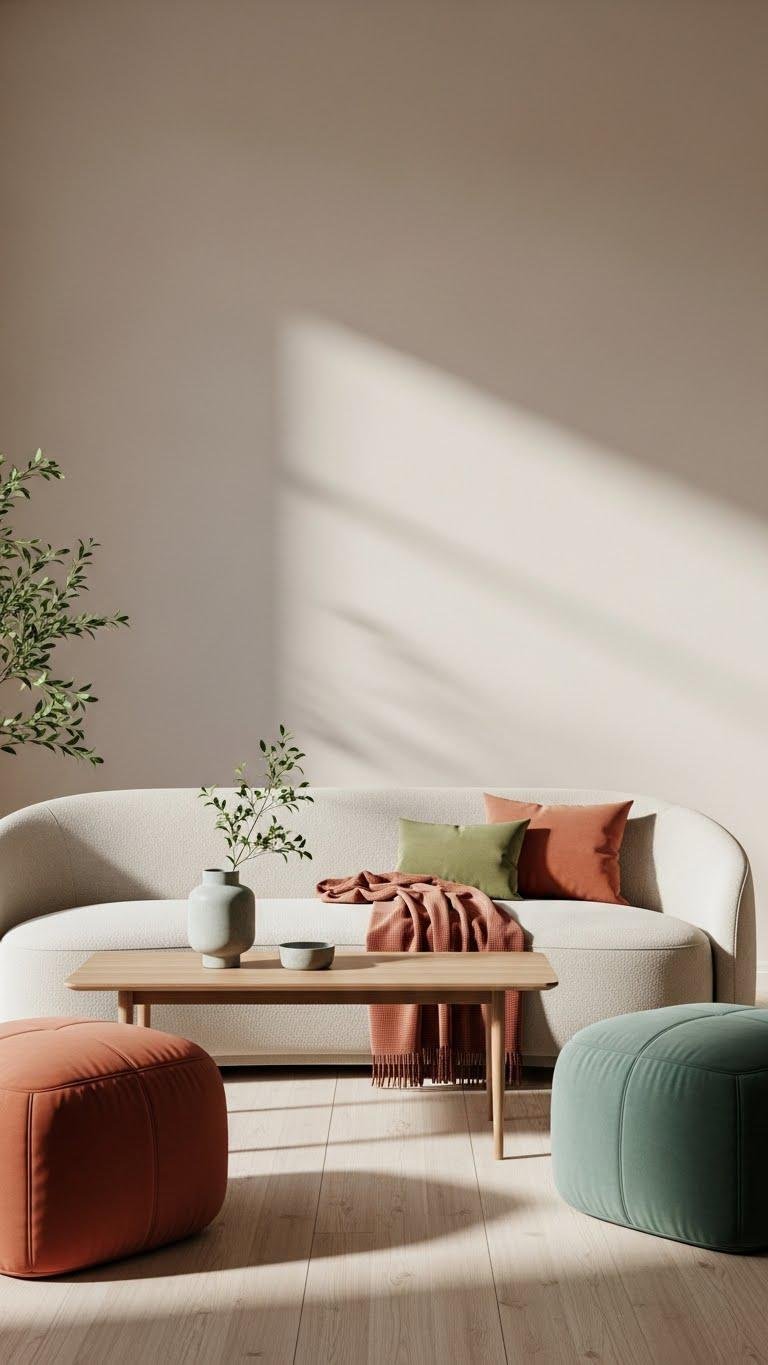
Rounded forms set a soft stage, and a few muted terracotta, olive, or teal accents will give the room a focused lift without overpowering that calm.
You’ll pick one or two pieces—throw, pillow, or vase—that echo muted terracotta, olive, or teal imagery, then edit.
Keep surfaces uncluttered and use seasonal accent rotation to refresh mood without sacrificing openness or ease.
Natural Woven Baskets for Storage and Texture
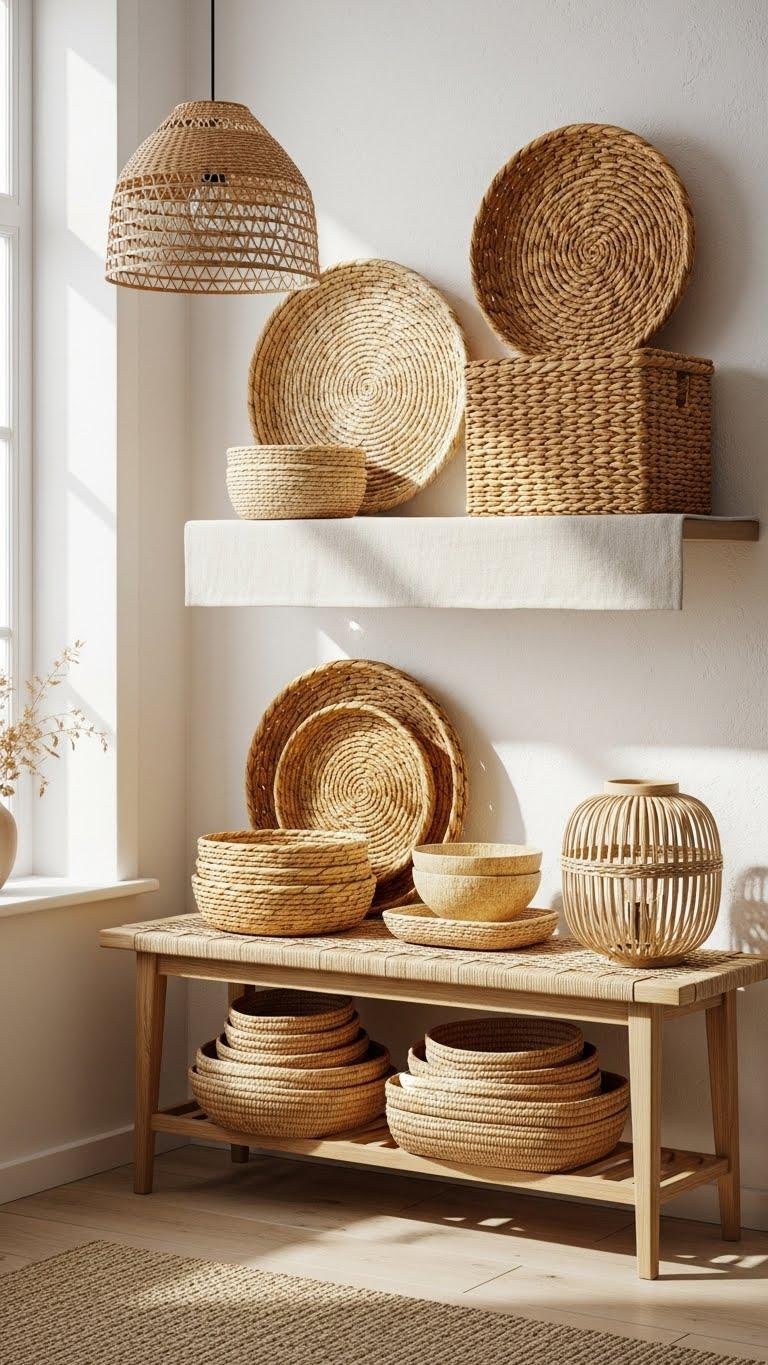
Though they’re simple, natural woven baskets instantly add both storage and tactile warmth to a minimal room, giving you an easy way to hide clutter while layering in organic texture. You can mount a basket wall for artful storage, tuck stacks under benches, or choose a woven lampshade to soften light. They’re versatile, portable, and help you keep a calm, liberated space.
Consistent Material and Color Language Throughout
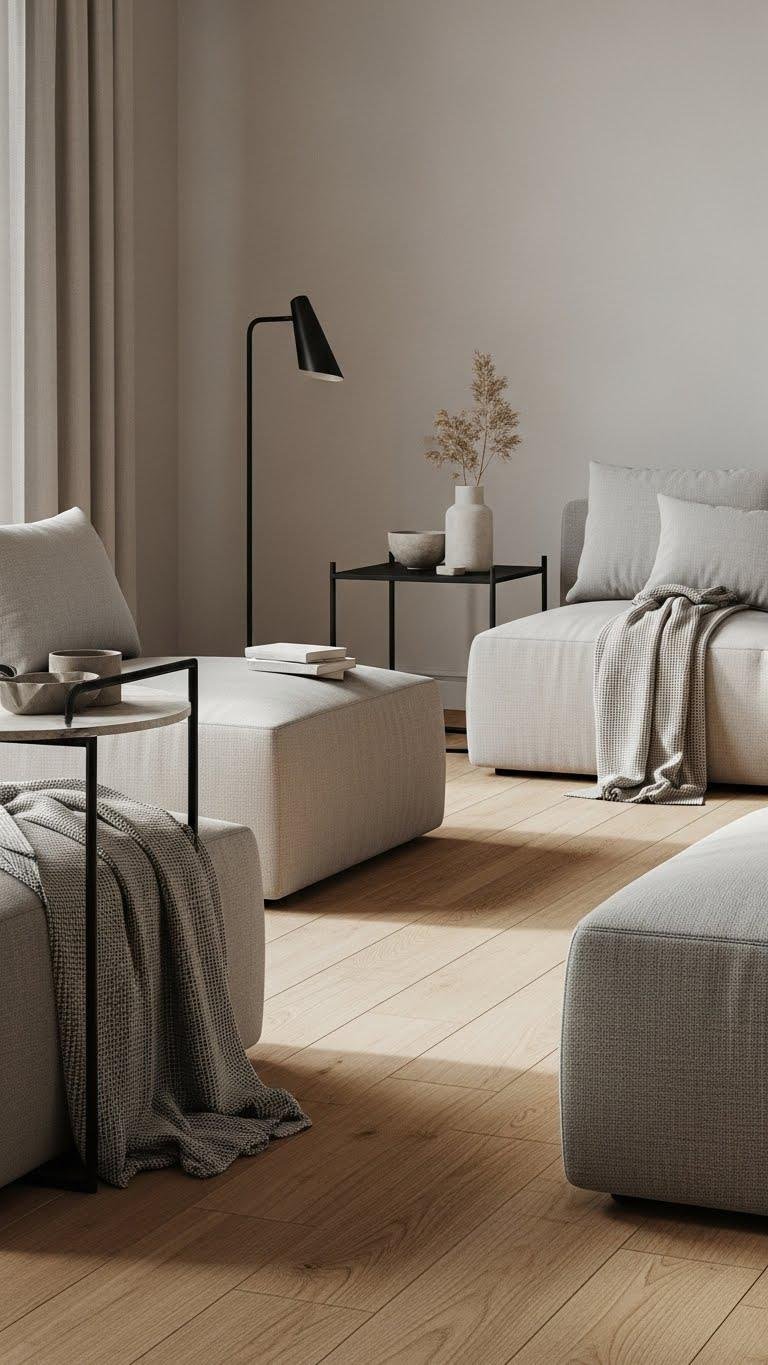
If you keep materials and colors consistent across a room, each piece will feel intentional and the space will read as calm and cohesive.
You’ll shape a clear material mood by repeating finishes and hues, which frees choices and reduces visual noise. Emphasize tactile continuity—soft linens, warm woods, matte metals—so the room supports rest, simplicity, and the freedom to live without clutter.