
You want rooms that feel like they belong to the same home, not a collection of mismatched trends. Start with a simple 60/30/10 paint hierarchy, pick a signature wood and metal, and keep flooring and trim consistent so each space flows into the next. Small swaps—pillows, art, rugs—freshen things without breaking the look, and the following 23 ideas will show you how to pull it all together.
Establish a Core Color Palette of 3–5 Hues
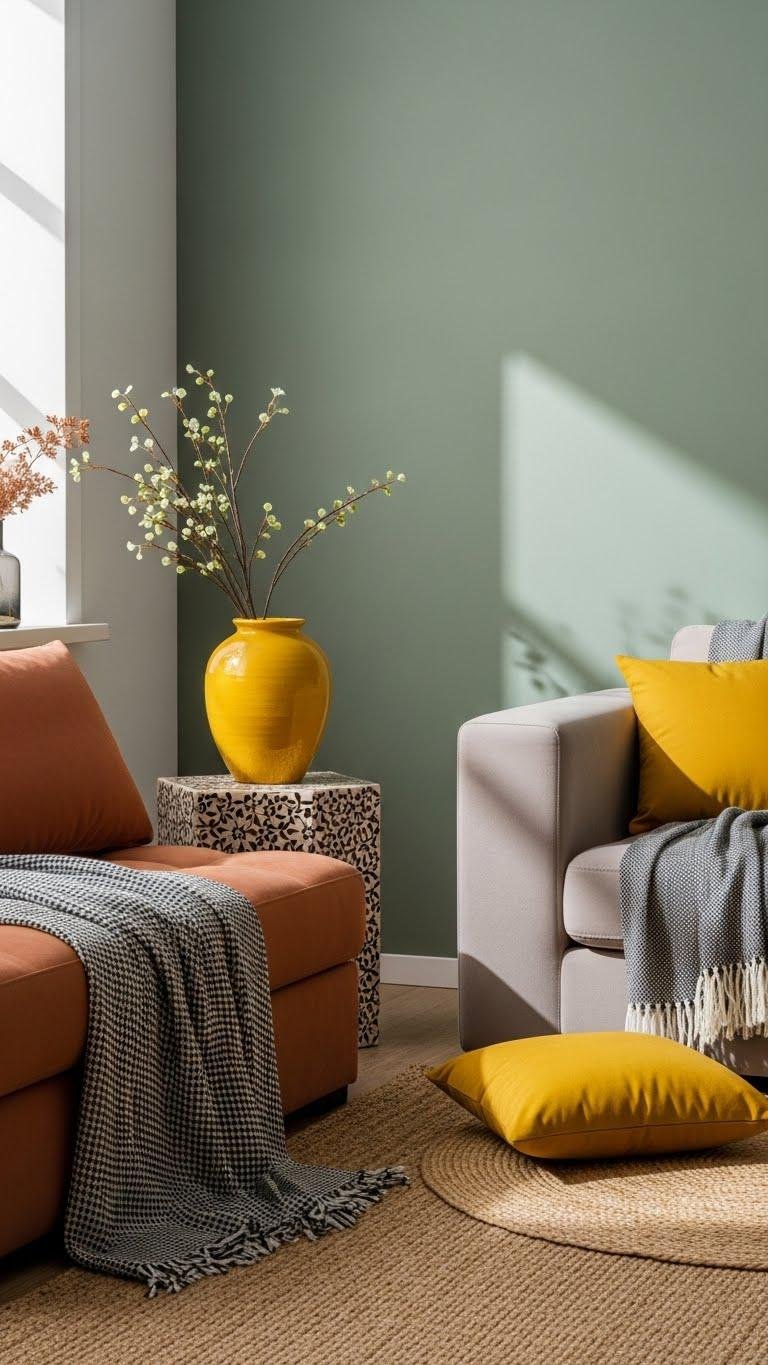
Choose a core palette of 3–5 hues to give your room cohesion and flexibility: pick a dominant color, one or two supporting tones, and one accent that pops.
You’ll balance seasonal accents with enduring choices, letting texture and pattern shift with mood. Consider psychological associations of each hue — calm, energy, focus — then mix confidently so your space feels liberated and intentional.
Use a Neutral Base Throughout Main Spaces
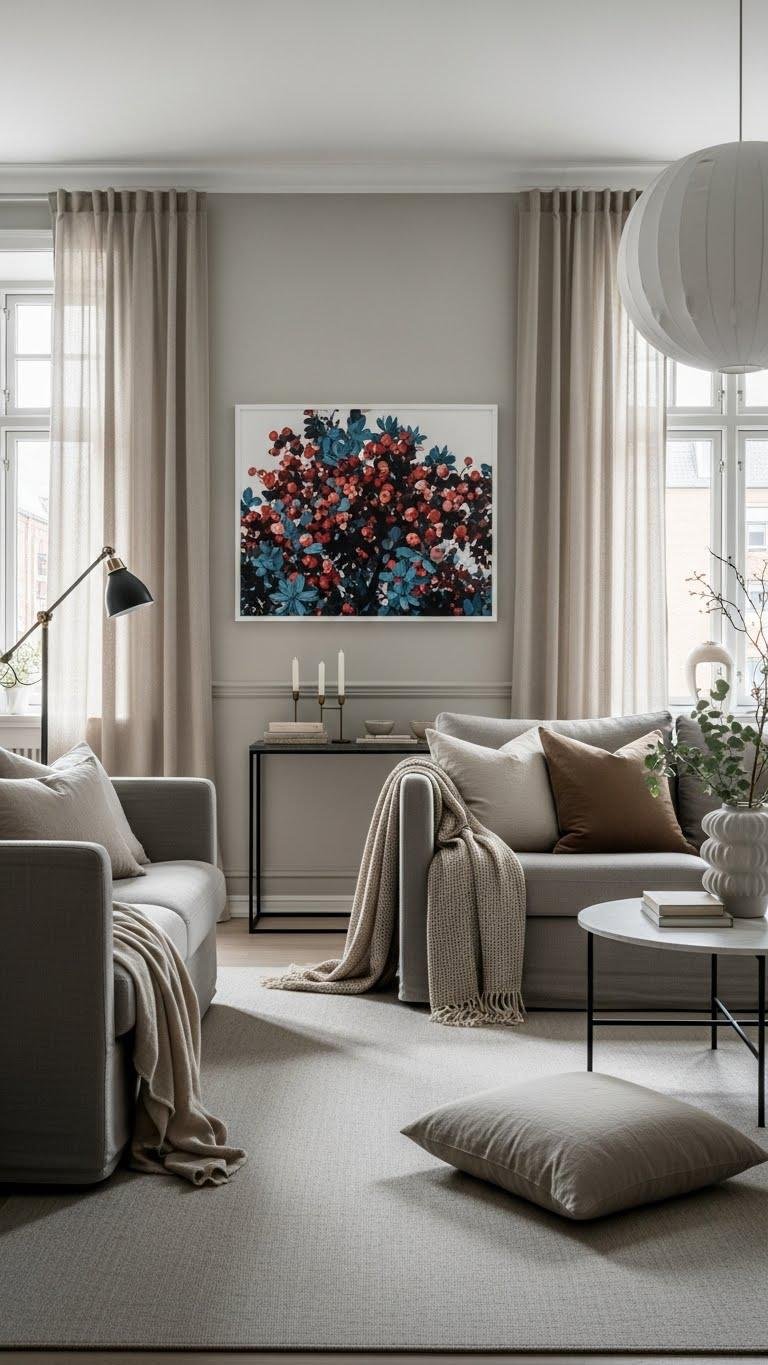
Grounding main rooms in a neutral base gives your furnishings and accents room to breathe and lets seasonal hues sing without overwhelming the space.
Choose a soft graybase for walls and large pieces, then layer warm linen textiles to add depth and comfort.
You’ll create a calm, flexible backdrop that supports bold art, changing accessories, and spontaneous style shifts while keeping cohesion intact.
Repeat Key Materials Like Oak and Stone
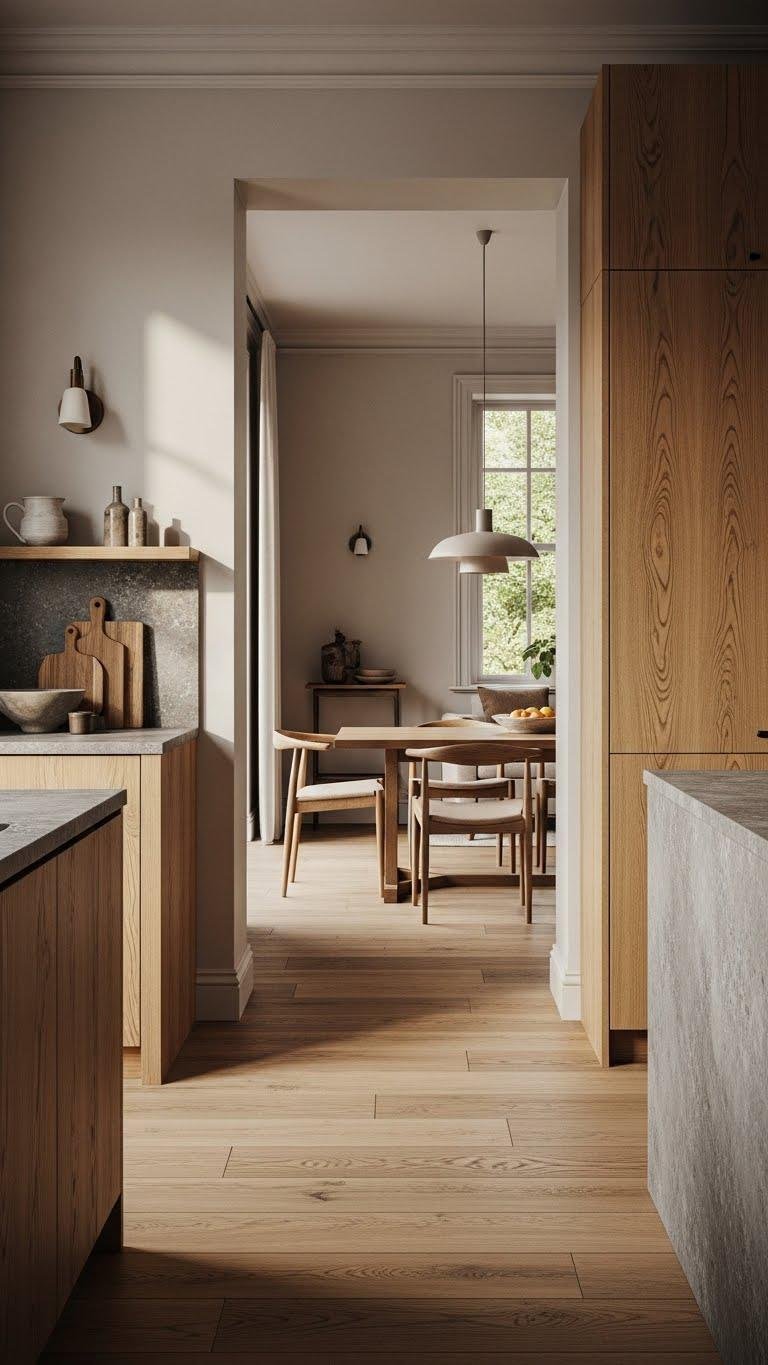
With a calm neutral base in place, repeat a handful of key materials—like warm oak and matte stone—to knit rooms together and give your scheme a tactile through-line.
You’ll emphasize oak veining across floors, furniture, and shelving while echoing stone patina on countertops and accents. Choose varied scales, keep finishes consistent, and let textures guide sightlines for effortless cohesion and flexible living.
Match Interior Door and Millwork Colors
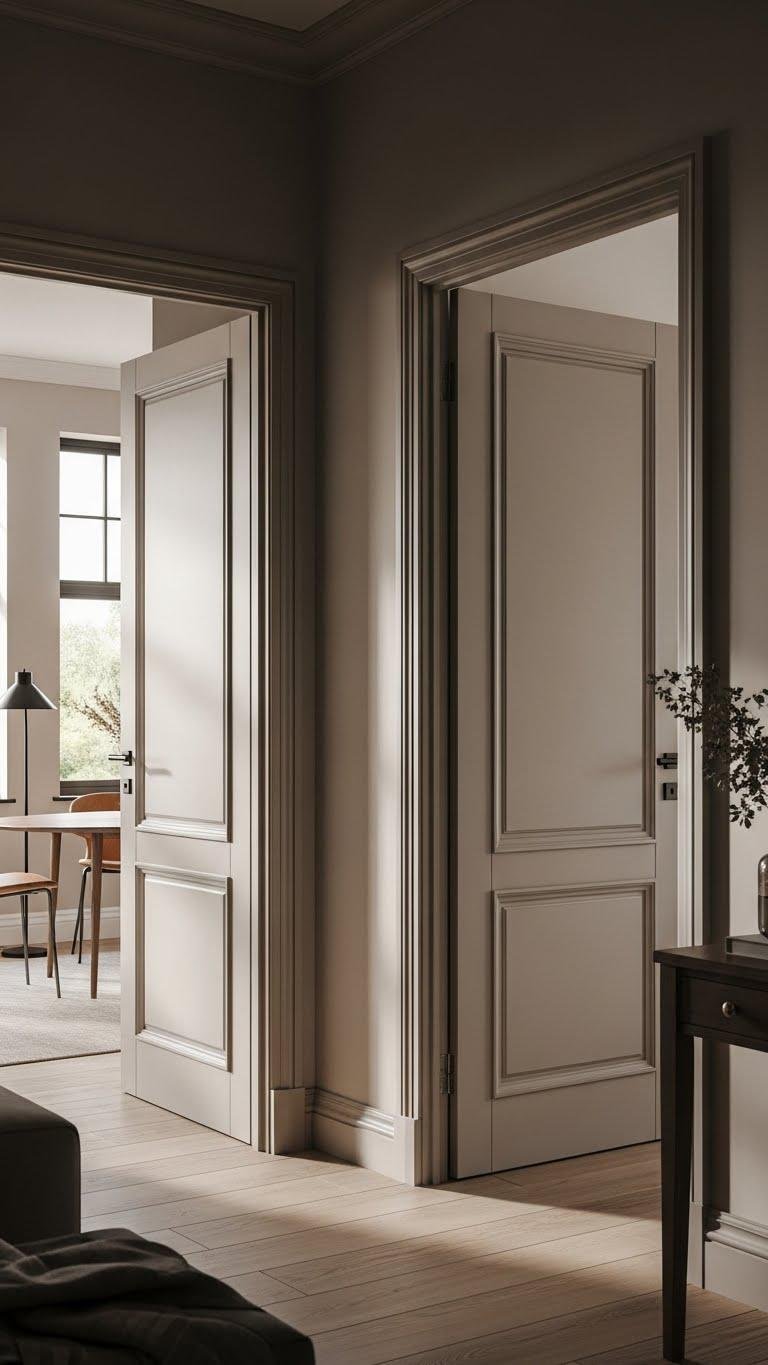
Unify your rooms by matching interior doors and millwork to the same color palette—this small decision streamlines sightlines and makes shifts feel intentional.
Choose a hinged panel style or sleek slab, then pick tactile finishes that invite touch.
You’ll create flow without fuss: consistent trim color grounds varied walls, frees you to shift furnishings, and keeps the home feeling liberated and thoughtfully edited.
Layer Lighting With Coordinated Fixtures
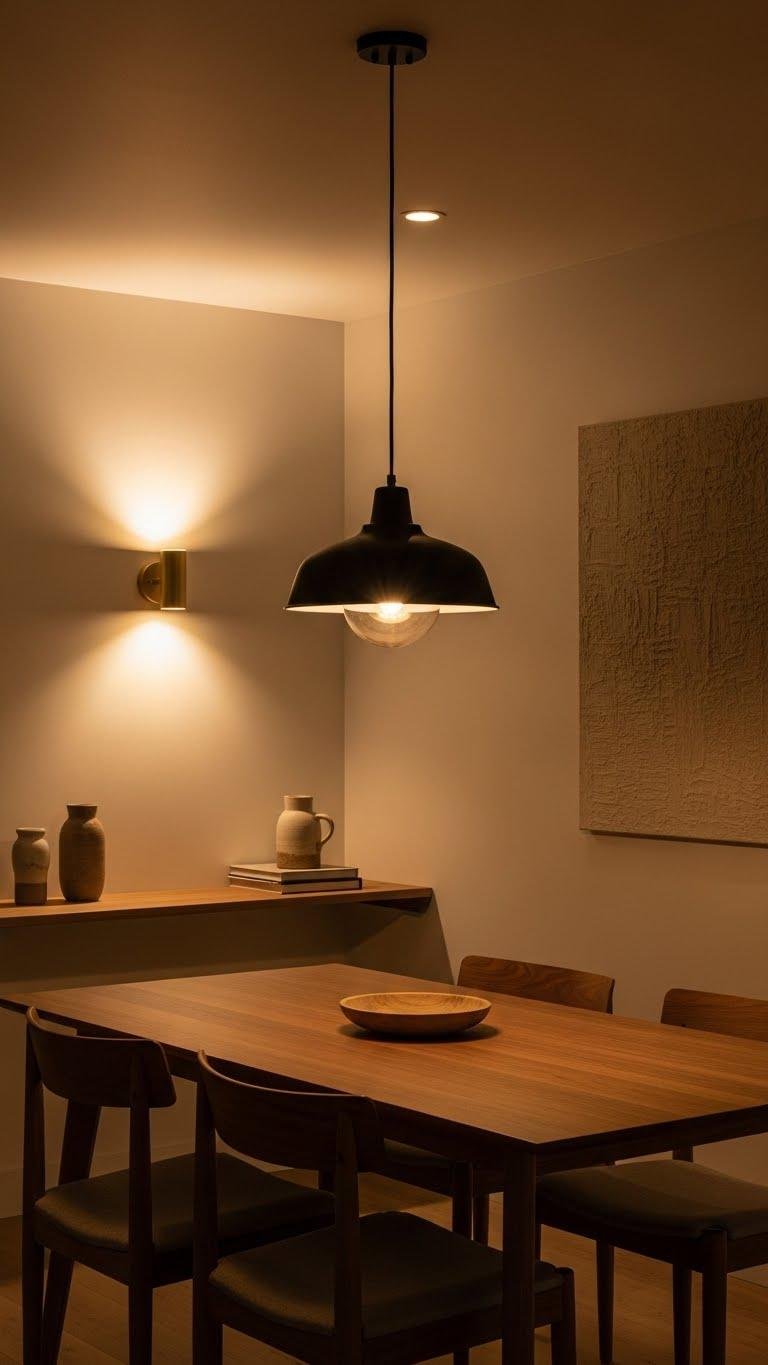
Often, you’ll layer lighting to sculpt mood and function—start by mapping tasks, accents, and ambient needs for each room.
Mix a dimmable pendant over dining or workspace with recessed ambient lights, then add an accent wall sconce to highlight art or texture. Keep fixture scale and material language consistent so lighting feels intentional, flexible, and free to adapt.
Choose Consistent Hardware Finishes
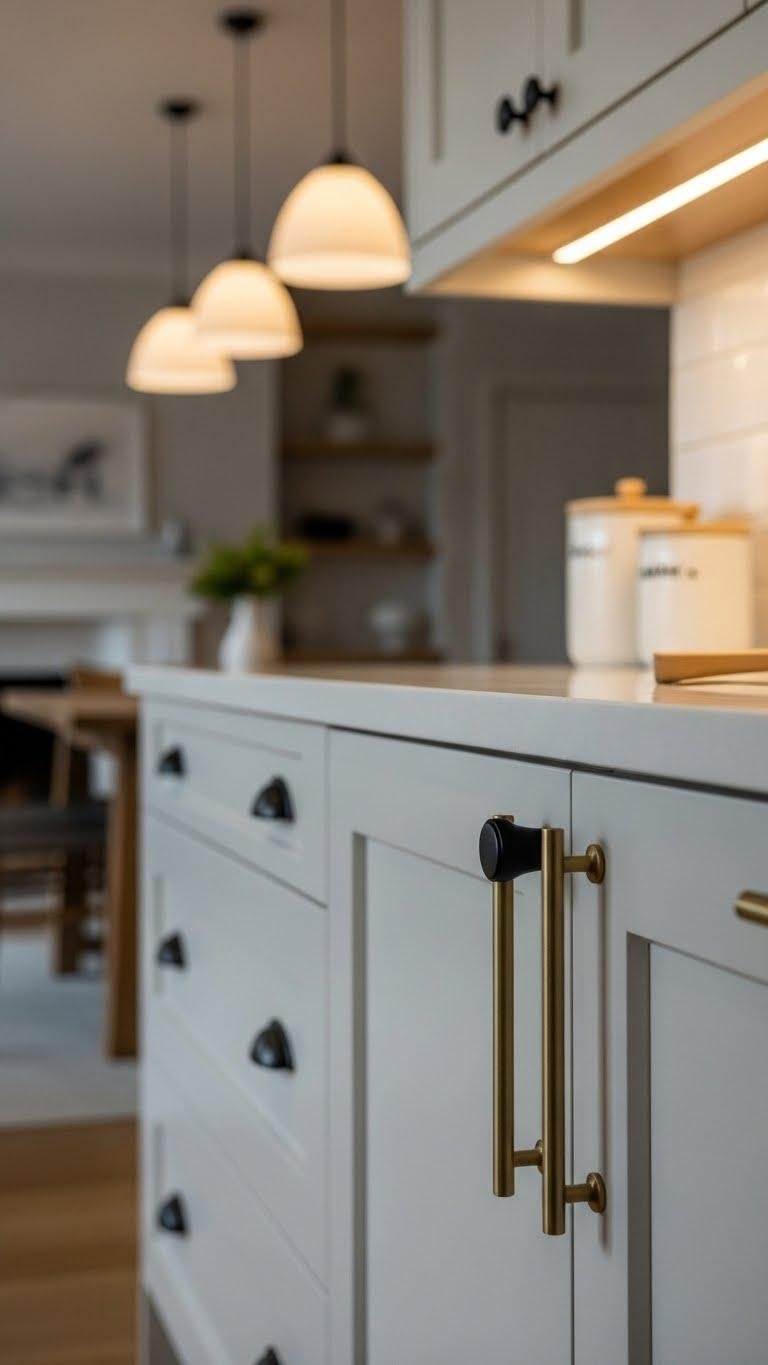
After you’ve layered lighting to shape mood and function, carry that same intentionality to your hardware finishes so every touchpoint reads as part of a single design story.
Choose consistent metals and matte contrasts to anchor rooms, mixing finishes sparingly. Pick ergonomic knobs and streamlined pulls that feel good to use. That quiet, curated restraint gives you freedom to edit boldly elsewhere.
Vary Shades of the Same Accent Color

Frequently, you can create a richer, more cohesive look by varying shades of the same accent color rather than introducing new hues.
You’ll layer depth with ombre throw pillows, mixed finishes, and tonal wallpaper samples to guide the eye.
Keep contrasts subtle, repeat the hue in art and accessories, and let rhythm replace clutter so rooms feel open, intentional, and liberating.
Keep Flooring Continuous Where Possible
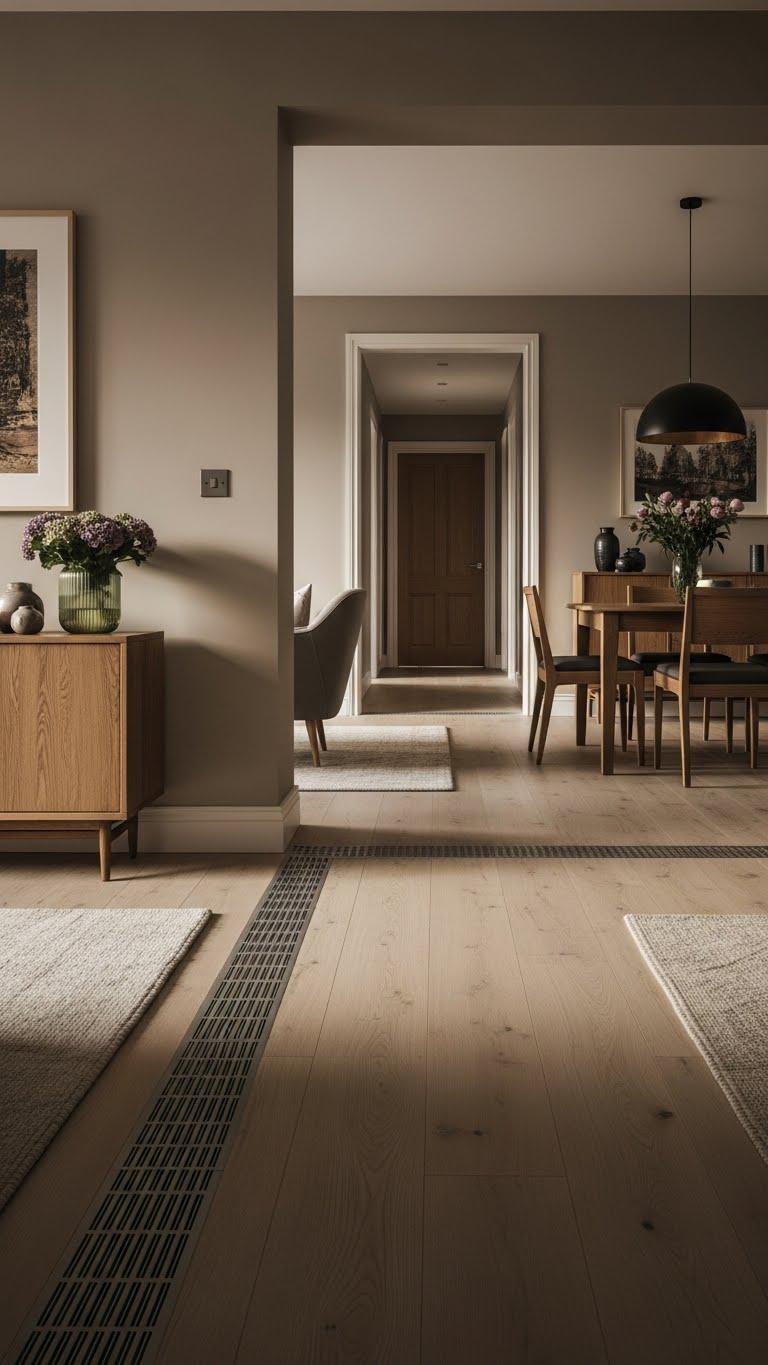
Just as you create cohesion by varying one accent color, you can make a home feel larger and more intentional by keeping flooring continuous where possible. Extend plank or tile runs to blur room edges, integrate underfloor heating for comfort, and use subtle patterned thresholds only where changes need definition. That restraint keeps sightlines open and lets your layout breathe without rigid separators.
Use Repeating Textiles and Weaves

When you repeat textiles and weaves across a room or home, you create a quiet rhythm that ties disparate pieces together and feels effortlessly curated. Use handwoven accents and patterned throws in varying scales and neutral palettes to guide the eye without restricting movement. Layer textures—linen, jute, boucle—so each space breathes. You’ll gain cohesion that still lets you roam, mix, and remix freely.
Balance Symmetry and Asymmetry Intentionally
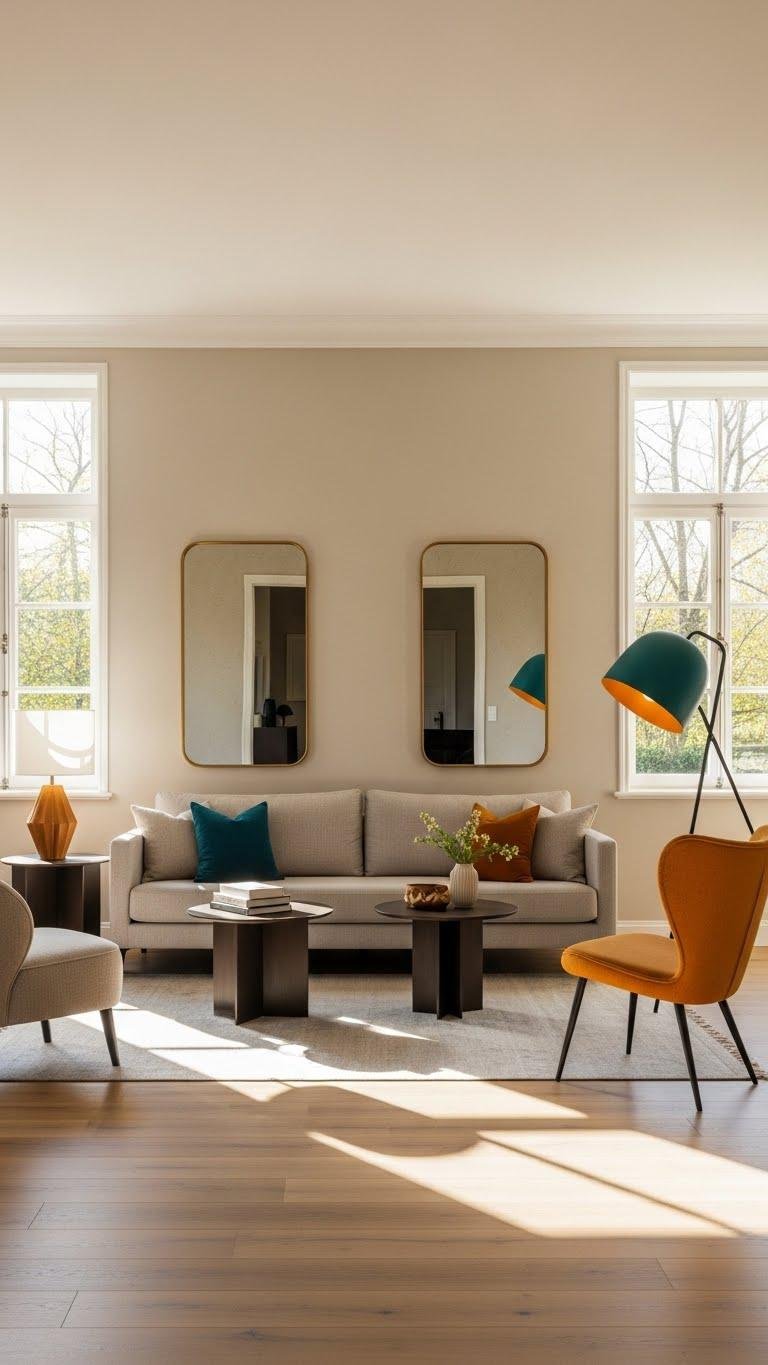
Although symmetry brings calm and order, mixing in deliberate asymmetry keeps a room feeling alive and modern; you’ll want to layer both to create visual tension that still reads as intentional. You’ll balance matches and mismatches: mirror pairs softened by a single offset lamp, matching chairs with one sculptural piece. Use intentional imbalance sparingly to create focal contrast and joyful freedom in your layouts.
Coordinate Interior and Exterior Tones
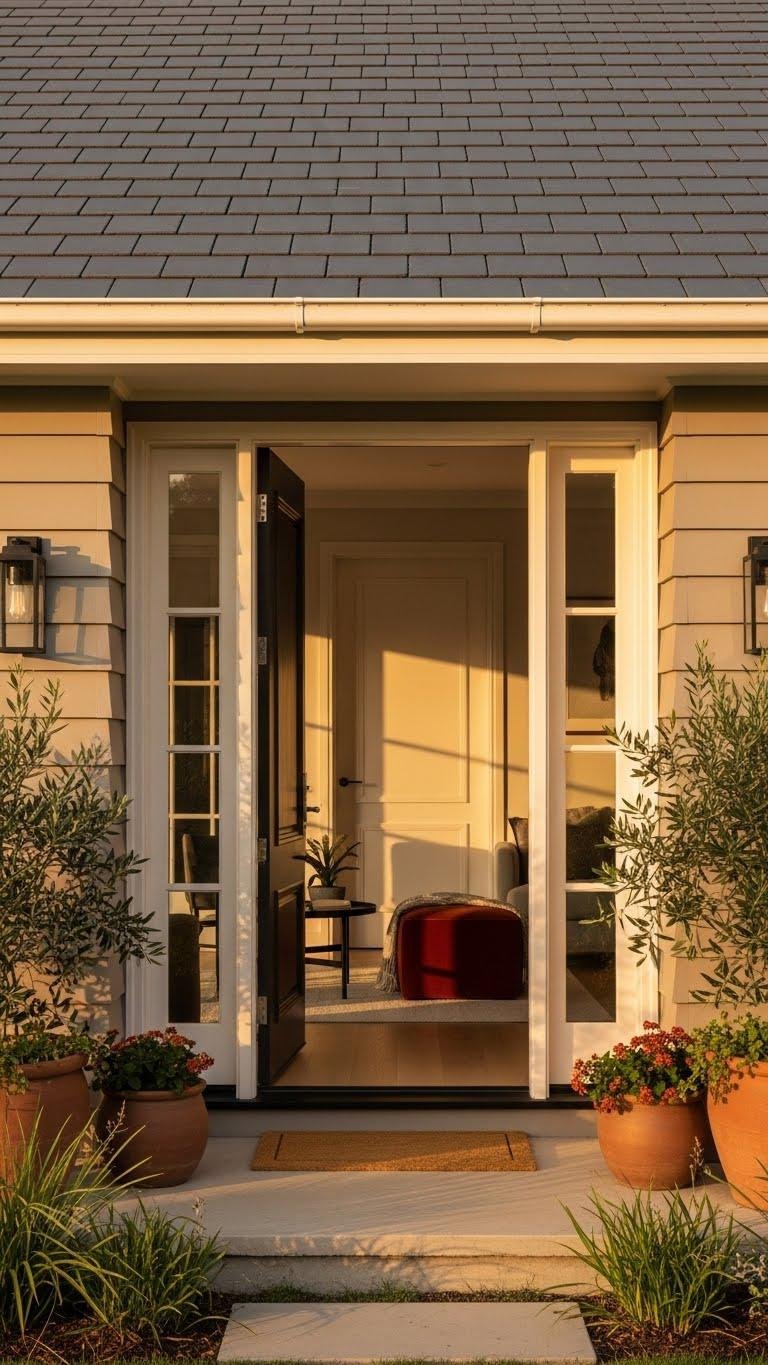
If you want your home to feel seamless from inside out, align key interior hues with the dominant tones of your exterior—think roof, siding, landscaping and the light that hits them—so views and doorways read as a single, composed scene.
Choose a climate palette that respects seasonal shifts, pull landscape echoes into trim and textiles, and keep changes intentional so rooms breathe freely.
Limit Bold Patterns to Accent Areas
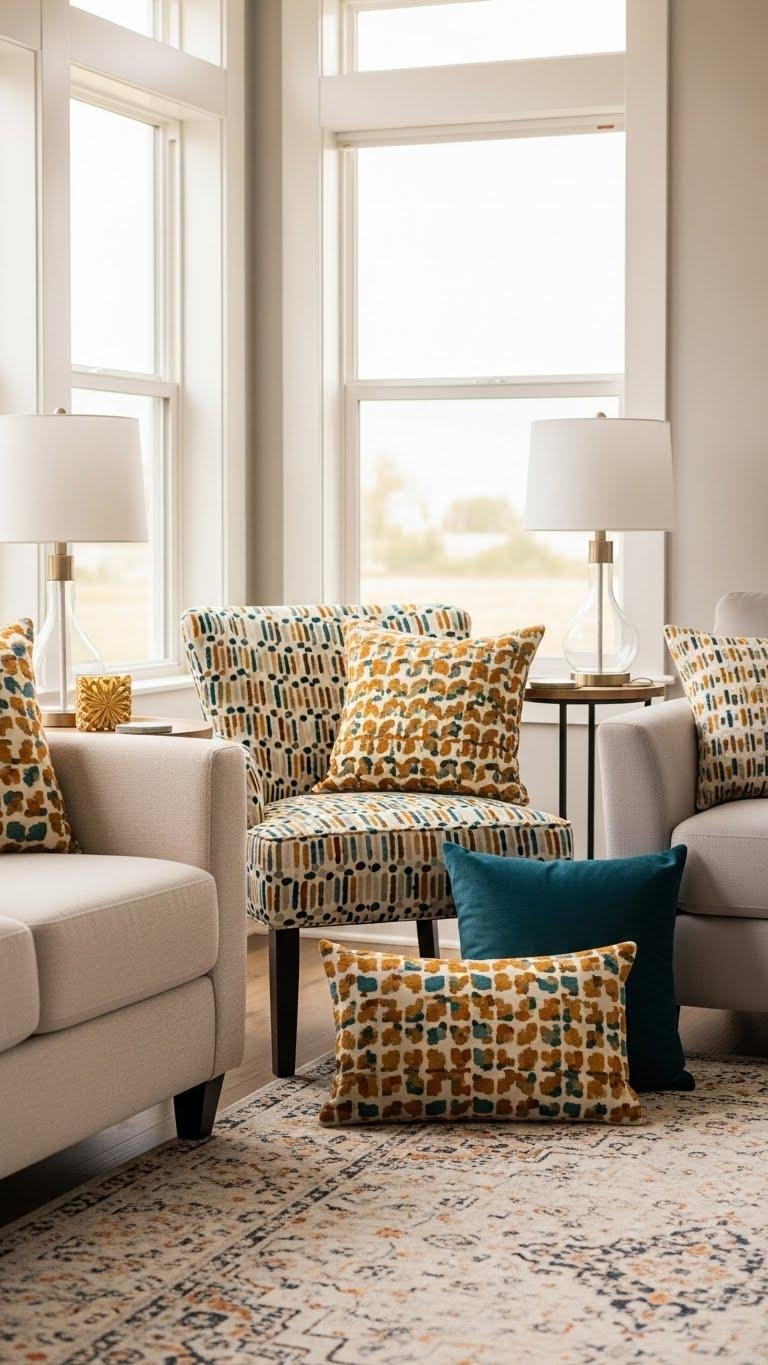
Often, you’ll want bold patterns to punctuate a room rather than dominate it: reserve them for pillows, a single upholstered chair, a rug, or an accent wall so the eye has clear resting points and the room reads composed.
Use bold wallpaper sparingly, pair accent tiles with neutral grout, and let solid furniture and open sightlines give you the freedom to swap statements seasonally.
Anchor Rooms With a Common Rug Palette
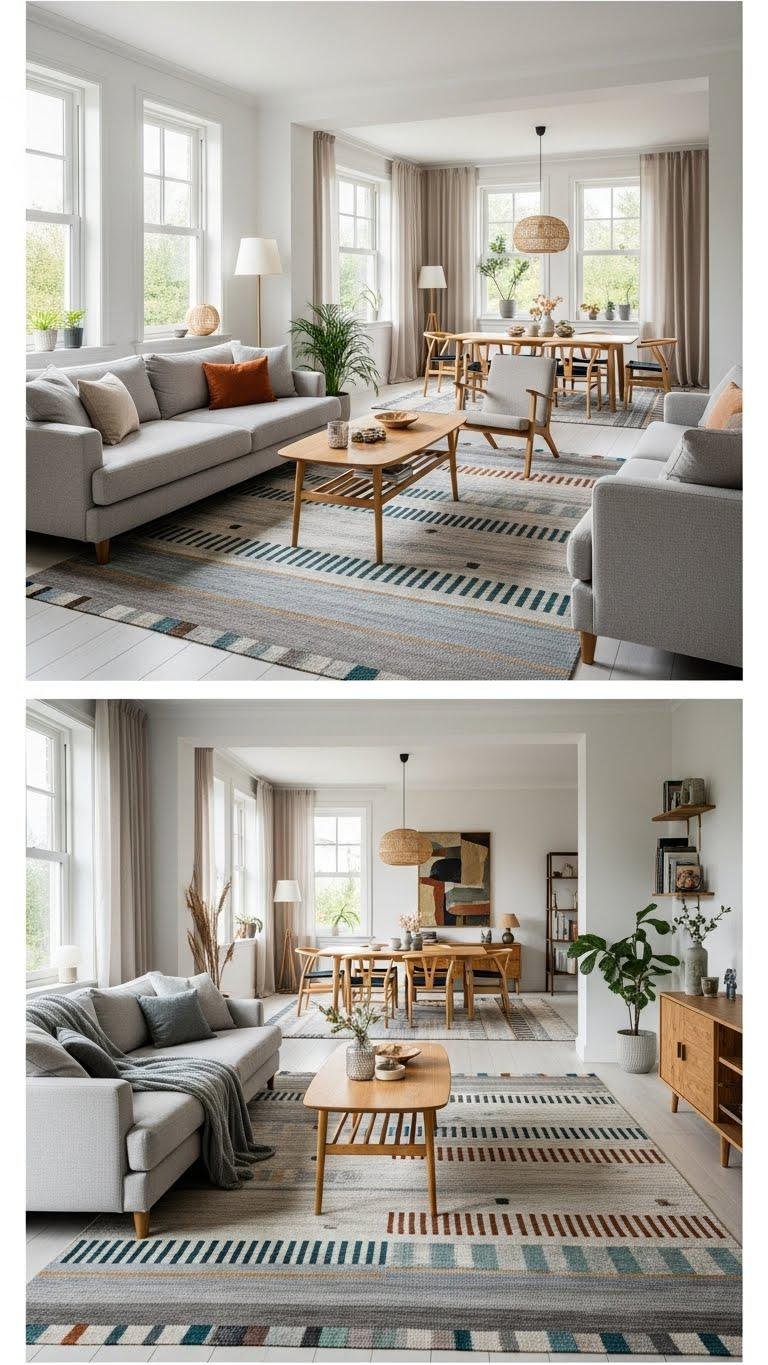
Across connected rooms, a shared rug palette grounds the flow and gives your home an instant sense of cohesion. Use muted repeats and accent contrasts to create subtle color anchoring so spaces read as one. You’ll define areas without walls through intentional rug zoning, picking textures and scale that echo across rooms.
The result feels liberated, curated, and effortlessly cohesive.
Use Paint Percentages for Color Hierarchy
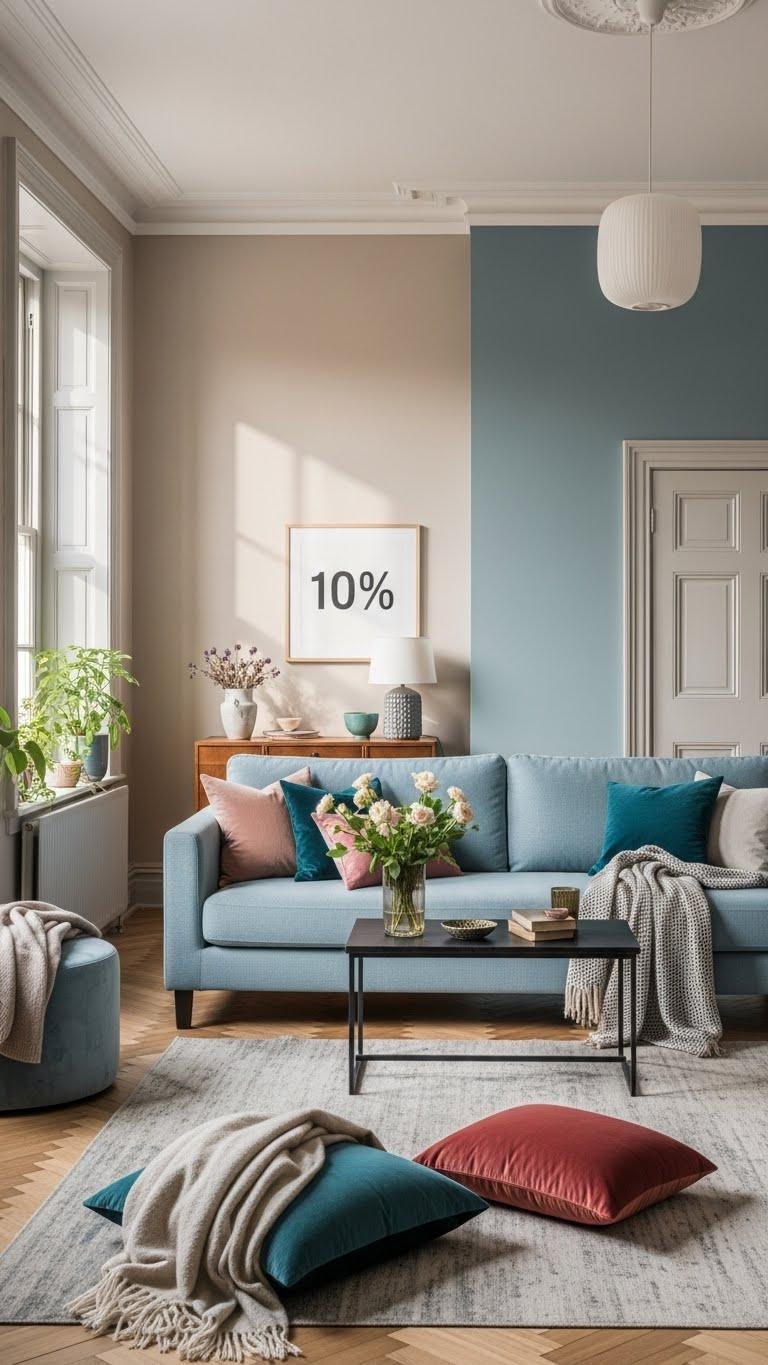
When you map out paint percentages, you give every room a clear visual hierarchy—about 60% dominant, 30% secondary, and 10% accent—to guide mood, scale, and focal points.
Use dominant fields to anchor psychological associations, secondary tones to balance movement, and accents to punctuate.
Make seasonal adjustments easily: swap textiles or repaint small areas so palettes feel fresh while keeping freedom and cohesion intact.
Echo Shapes and Curves in Furniture Profiles
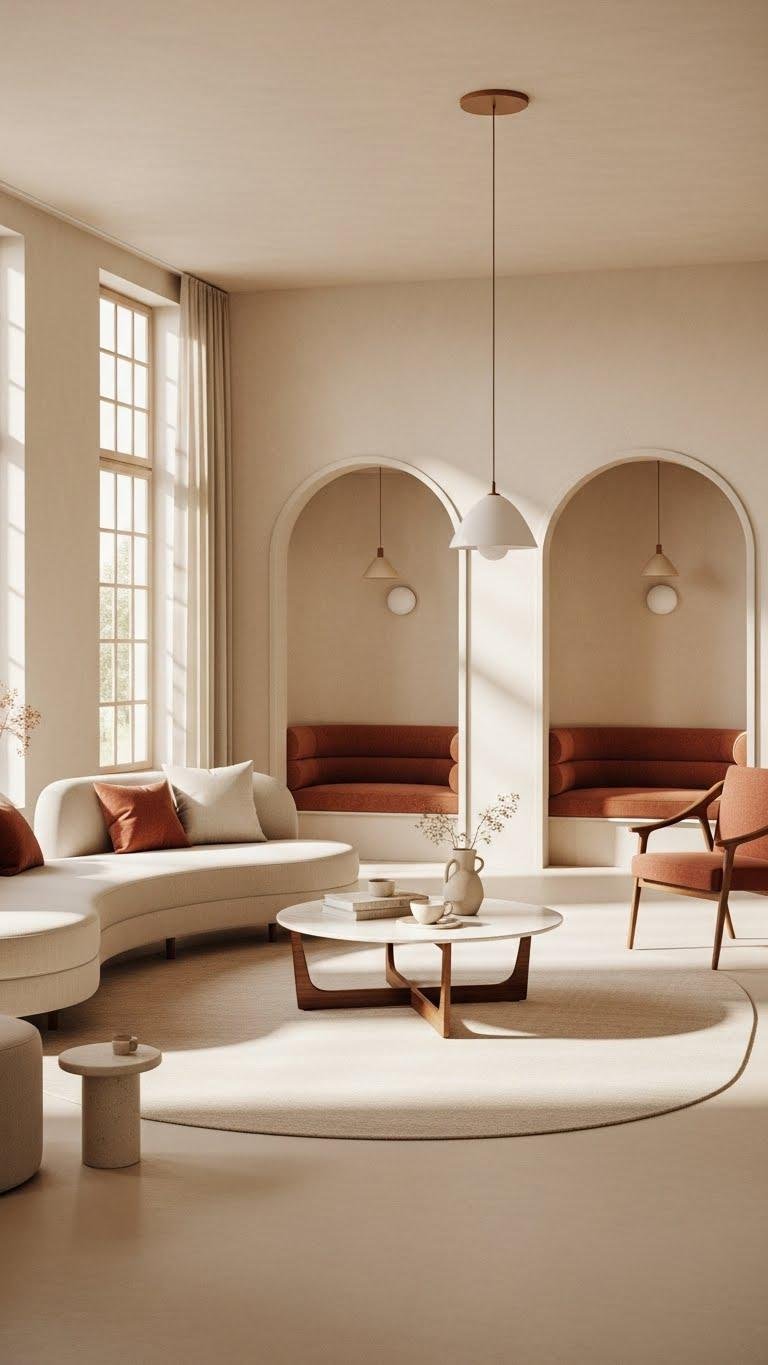
How do repeating shapes and soft curves change how a room feels? You’ll amplify flow and calm by choosing rounded silhouettes in sofas, tables, and alcoves.
Curved joinery links pieces without matching everything, letting you mix eras while keeping unity. Use repetition sparingly to guide sightlines, create breathing space, and give interiors a liberated, intentional rhythm that feels effortless.
Group Art With a Unified Framing Strategy
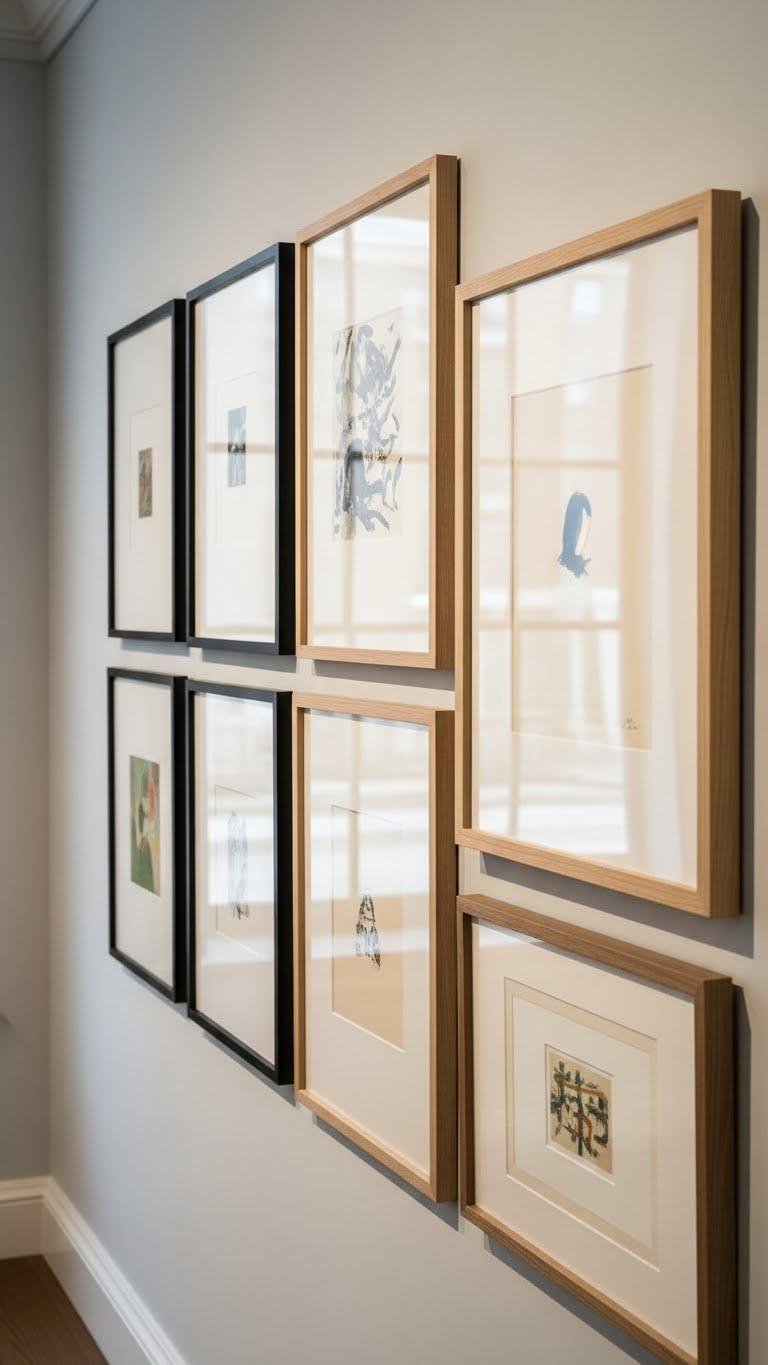
Because a consistent frame lets disparate pieces read as a single composition, choose a unifying framing strategy before you hang anything. Pick a finish and mat depth, decide matte vs glossy glazing, and keep consistent edge thickness.
Mix sizes confidently using asymmetrical grids to feel curated, not matchy. You’ll preserve visual freedom while the framing creates instant cohesion and gallery polish.
Repeat a Signature Upholstery Fabric

A signature upholstery fabric anchors a room and makes intentional repetition feel sophisticated rather than matchy.
Use a bold signature pattern on a sofa or accent chair, then echo it in pillows, a bench, or small ottomans so rooms read as one curated story.
Plan simple upholstery swaps to refresh rhythm without buying everything new, keeping your space cohesive and free-moving.
Layer Textures to Create Depth and Cohesion
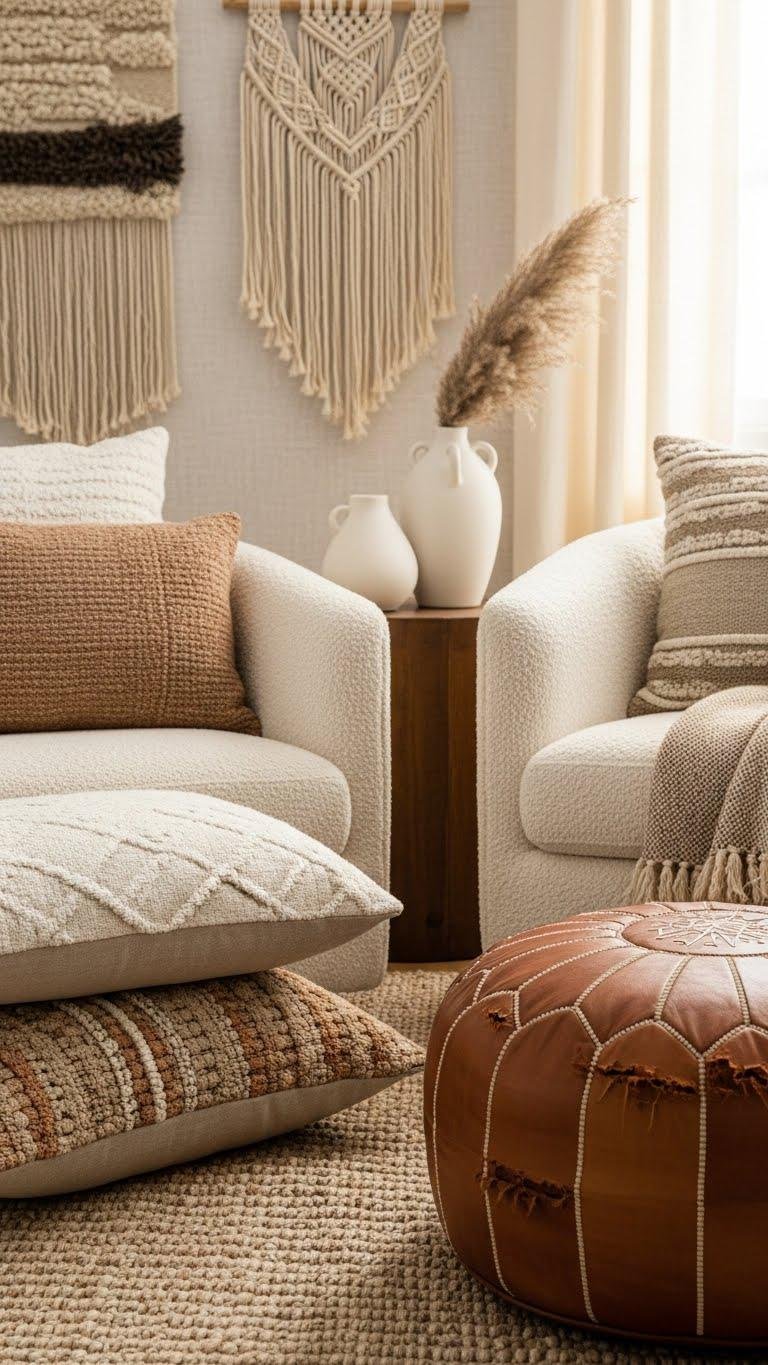
When you layer varied textures—think nubby linen, soft boucle, worn leather, and a low-pile woven rug—you give a room immediate depth and a tactile narrative that invites touch.
Mix textured wallpapers with woven wallhangings, plush throws, and matte ceramics so each surface contrasts.
You’ll balance scale and sheen, curate tactile zones, and keep the scheme cohesive while staying adventurous and effortlessly lived-in.
Carry One Primary Wood Tone Through the Home

Consistently using one primary wood tone throughout your home instantly harmonizes spaces and makes shifts feel intentional rather than accidental.
Choose a signature finish—warm oak or deep walnut—and repeat it on floors, shelving, and a hangar accent in entryways. Pair with textiles and a subtle rustic lacquer on occasional pieces to keep looks modern yet relaxed, so each room breathes and you feel free to roam.
Use Transitional Pieces to Link Different Styles
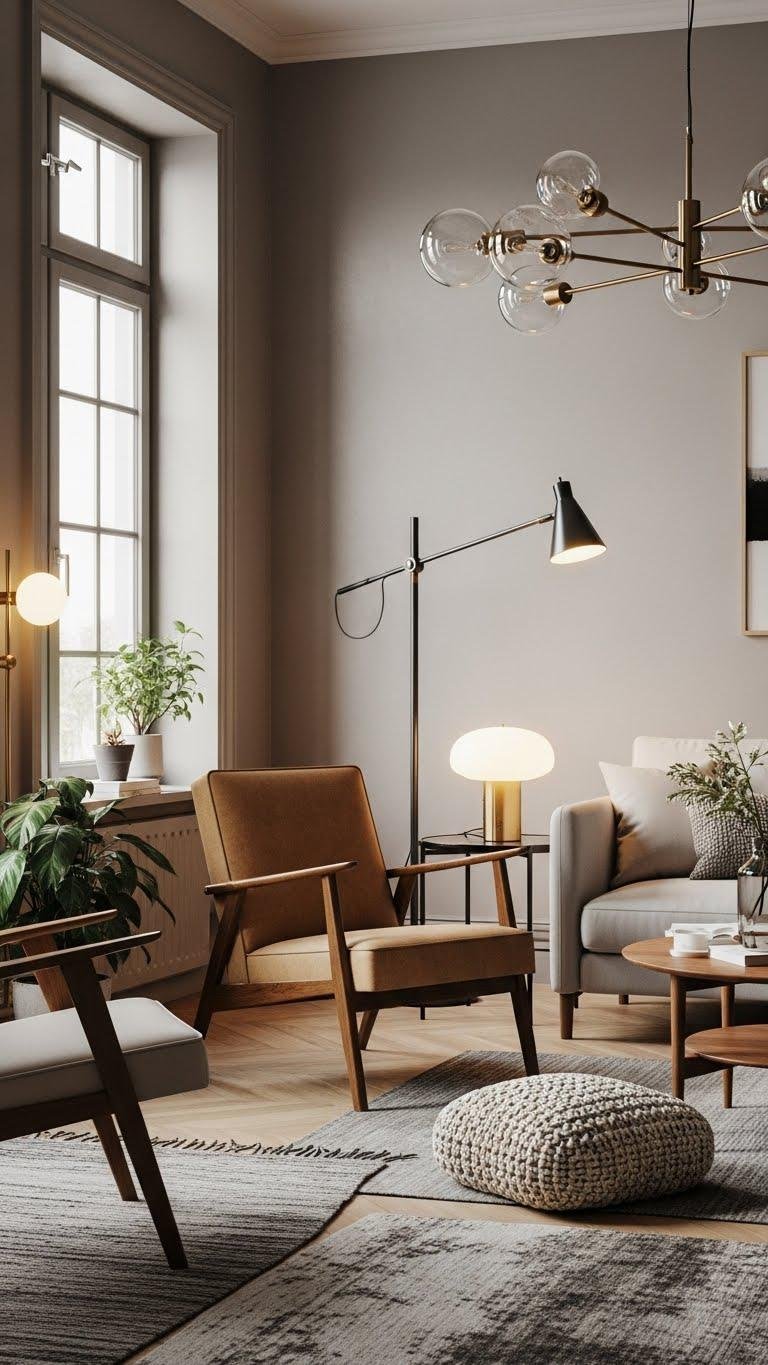
Because spaces evolve, you’ll want connective pieces that bridge eras and materials without shouting for attention. You’ll use mixed era furniture and modern lighting as bridgepieces, creating ornamental contrast that feels intentional.
Choose items with shared scale, finish or line to make subtle joins between styles. That lets rooms breathe, stay adventurous, and feel deliberately unified without rigid matching.
Plan Sightlines for Visual Flow
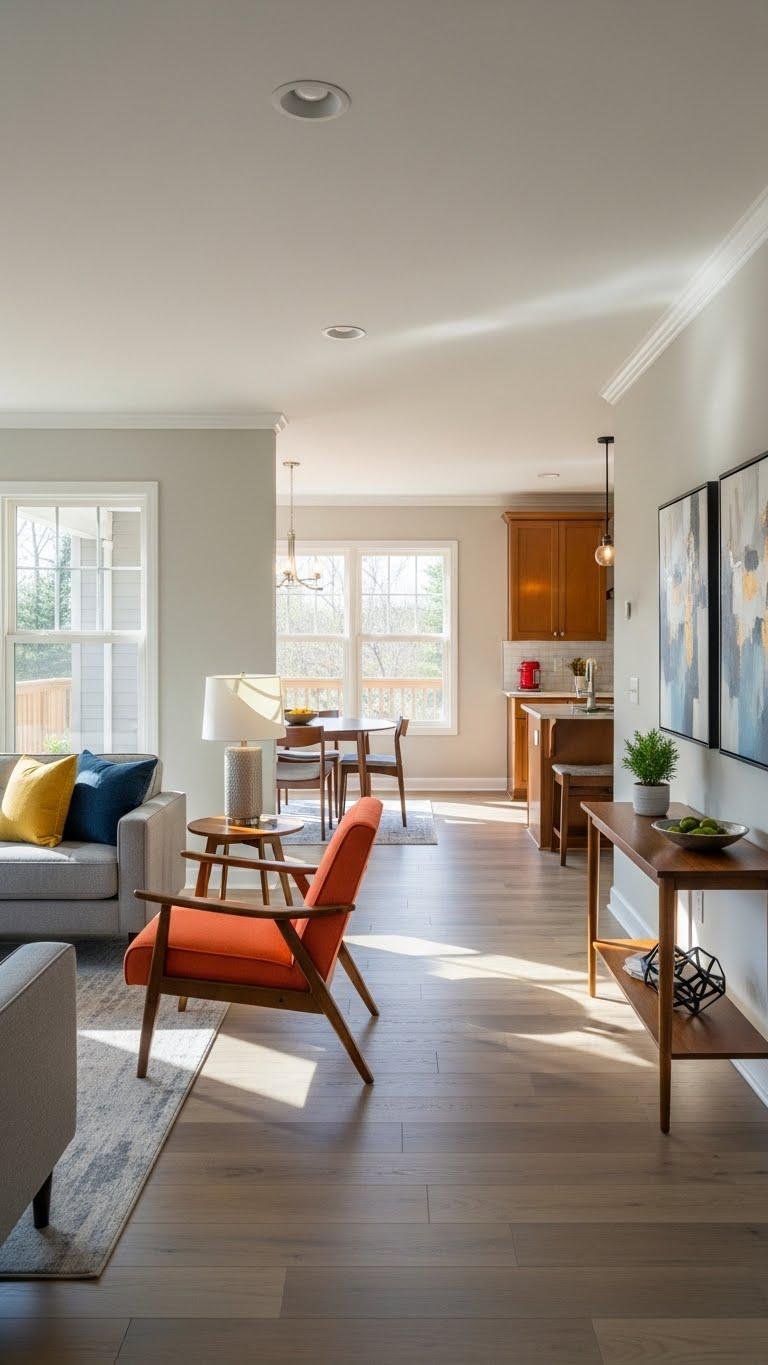
When you map sightlines, you control how the eye travels between rooms and focal points, so plan openings, furniture placement, and color contrasts to create a clear visual path. Use sightline sketching to test views, align key pieces for precise focal alignment, and keep pathways uncluttered.
You’ll free movement and mood, crafting interiors that feel effortless, directional, and open.